
$27.99
$34.99
50% OFF! Hot items selling fast—Grab them before they're gone!
 Unconditional Satisfaction GuaranteeNo Shipping Fees Above 302 Months to Decide. Returns Simplified.
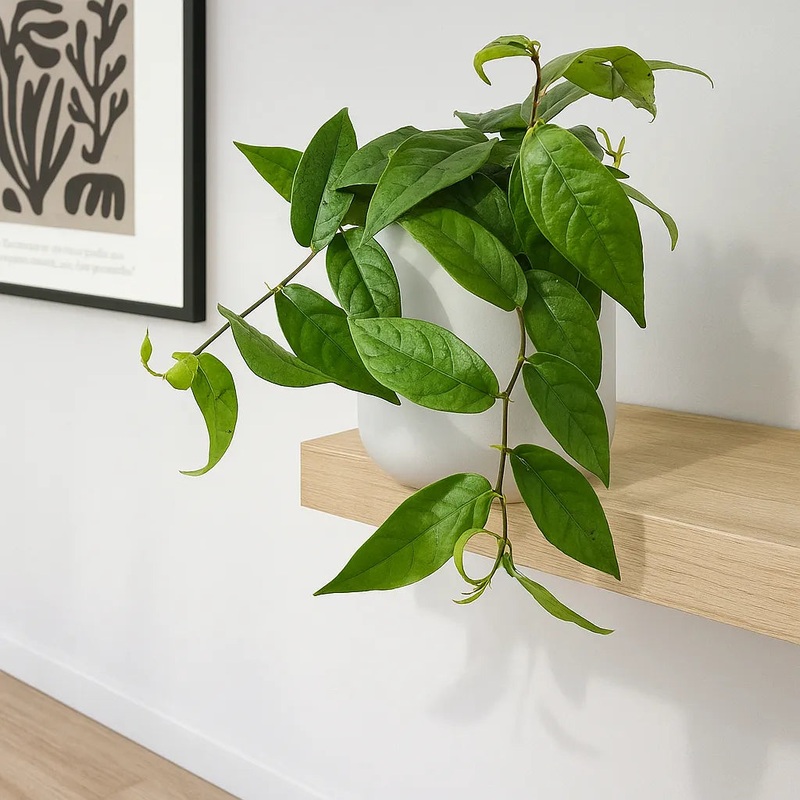
Monstera karstenianum Peru, commonly known as the Monstera Peru, is a rare and visually stunning climbing aroid prized for its thick, textured leaves and compact growth habit. A member of the Araceae family and native to the tropical rainforests of South America, this species stands out for its glossy, deep green foliage with a unique quilted, almost reptilian surface.
Unlike other Monsteras, Peru does not naturally develop fenestrations (holes or splits). Instead, its leathery leaves display dramatic veining and a sculptural, high-sheen finish that captures and reflects light beautifully. As a juvenile plant, it grows in a dense, bushy form, and with support, it climbs vertically, producing larger, more pronounced leaves as it matures.
Elegant, durable, and full of tropical character, Monstera Peru brings depth and texture to modern interiors a true collectors plant with both resilience and visual intrigue.
Thrives in bright, indirect light. Too much direct sunlight can scorch the leaves, while too little light may result in slower growth and a loss of lustre. A bright east- or north-facing window, or filtered light in a south-facing room, provides ideal conditions.
Water when the top 23 cm of soil feels dry to the touch. Keep the soil evenly moist but never waterlogged, as the thick leaves store moisture efficiently. In winter, allow the soil to dry slightly more between waterings. Always ensure the pot has proper drainage.
Temperature: Prefers warmth between 1828 C. Avoid temperatures below 15 C and protect from cold drafts.
Humidity: Moderate to high humidity (6080%) enhances growth and keeps leaves lush. Mist regularly, use a humidifier, or group with other tropical plants to maintain moisture in the air.
Use a rich, airy, and well-draining mix that mimics its natural epiphytic habitat compost combined with perlite, orchid bark, and coco coir works perfectly. Repot every 12 years in spring to refresh the mix and allow for root expansion.
Feed every 46 weeks during spring and summer with a diluted, balanced liquid fertiliser or one formulated for aroids. Suspend feeding in autumn and winter when growth slows. Avoid over-fertilising, as this can cause leaf spotting.
Prune back any leggy growth to encourage a fuller, bushier shape. Wipe the leaves regularly with a damp, soft cloth to remove dust and enhance their glossy appearance. Provide a moss pole, coir totem, or trellis to support climbing this encourages larger and more textured foliage.
A moderately fast grower, Monstera Peru can reach 1.52 metres in height indoors with support. It grows as a vining or climbing plant rather than a trailing one, producing thick, leathery leaves that increase in size as it matures.
Yellowing leaves: Overwatering or poor drainage.
Brown edges: Low humidity or inconsistent watering.
Leggy growth: Insufficient light.
Pests: Occasionally susceptible to thrips or mealybugs treat with neem oil or insecticidal soap.
Native to the rainforests of Peru and surrounding regions, Monstera karstenianum grows as an epiphyte, anchoring itself to tree trunks while absorbing moisture from the air. The Peru cultivar is particularly sought after for its distinctive leathery texture and vibrant green hues, which give it a bold, sculptural presence indoors.
Like other Monsteras, its an effective air purifier, helping to filter indoor toxins and promote cleaner air. Symbolically, the Monstera family represents growth and vitality qualities reflected in Perus lush, evergreen form.
Light: Bright, indirect light; avoid harsh direct sun
Water: Keep soil evenly moist; allow top few cm to dry
Temperature: 1828 C; avoid below 15 C
Humidity: Moderate to high (6080%)
Soil: Aroid mix compost, perlite, bark, coco coir
Feed: Every 46 weeks in spring/summer
Growth: 1.52 m climbing vine; thick, glossy, textured green leaves
Toxicity note: Toxic to pets and humans if ingested; may cause irritation to mouth and skin.
Monstera Peru is a striking feature plant that adds depth and sophistication to any room. Train it up a moss pole or trellis to highlight its climbing nature, or let it cascade naturally for a more relaxed aesthetic. Its dark, glossy leaves pair beautifully with paler tropicals like Philodendron White Knight or Calathea orbifolia for a high-contrast display. For a modern look, place it in a matte black or stone-effect planter the perfect way to showcase this rare and textural beauty in contemporary interiors.