
$14.39
$17.99
50% OFF! Hot items selling fast—Grab them before they're gone!
 Unconditional Satisfaction GuaranteeNo Shipping Fees Above 302 Months to Decide. Returns Simplified.
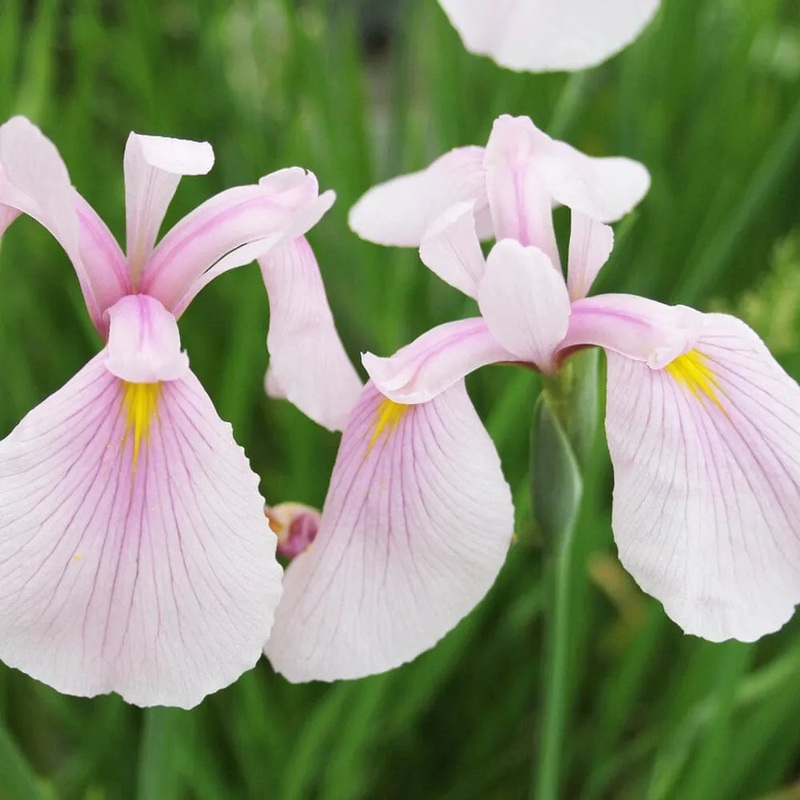
Iris ensata ‘Rose Queen’ is a cultivar of Iris ensata, commonly known as Japanese Iris. It is a herbaceous perennial that produces large, showy flowers in shades of pink and purple. Here’s a detailed description and care guide for Iris ensata ‘Rose Queen’:
Description:
Iris ensata ‘Rose Queen’ features large, elegant flowers with a distinctively flattened form. The flowers have broad, overlapping petals in shades of rosy pink and purple, creating a stunning display. They typically have a white or yellow signal pattern at the base of each petal. The blooms can reach a diameter of 15-20 cm (6-8 inches) and rise on tall, sturdy stems that can reach a height of 80-100 cm (32-40 inches). The leaves are long, lance-shaped, and bright green in color. They form dense clumps that provide an attractive backdrop to the flowers.
Care Guide:
Light: Iris ensata ‘Rose Queen’ thrives in full sun to partial shade. It prefers at least 6 hours of direct sunlight per day to promote optimal flowering. However, it can tolerate some shade, especially in regions with hot summers, where it benefits from protection against intense afternoon sun.
Water: Japanese Iris prefers consistently moist soil. Ensure the soil is evenly moist but not waterlogged. These plants can tolerate some periods of wet soil, but they should not sit in standing water for extended periods. Regular watering is important, especially during dry spells or in sandy soil. Mulching around the plants can help retain soil moisture.
Soil: Japanese Iris prefers rich, slightly acidic soil that is moist and well-draining. They can tolerate a range of soil types, including clay, loam, or sandy soil. Amending the soil with organic matter, such as compost or well-rotted manure, before planting can improve its fertility and moisture retention.
Temperature: Iris ensata ‘Rose Queen’ is hardy in USDA hardiness zones 4-9. It prefers cooler climates and can withstand winter cold. In warmer regions, providing afternoon shade or planting near water sources can help keep the plants cool and prevent heat stress.
Fertilizer: Japanese Iris plants benefit from regular fertilization. Apply a balanced slow-release fertilizer in early spring or incorporate a granular fertilizer into the soil before planting. Follow the package instructions for application rates. In subsequent years, you can apply a balanced liquid fertilizer during the growing season to promote healthy growth and abundant flowering.
Pruning: Minimal pruning is required for Japanese Iris. After the flowering period, you can remove any spent flower stalks to maintain a neat appearance. In late fall or early spring, you can trim back the leaves to a few inches above the ground to allow for new growth.
Pests and Diseases: Japanese Iris is generally resistant to pests and diseases. However, they may occasionally be affected by iris borer or slugs. Monitor your plants regularly and take appropriate measures to control any infestations. Good air circulation and proper spacing between plants can help prevent fungal diseases.
Iris ensata ‘Rose Queen’ is a striking and elegant perennial that adds a touch of beauty to garden beds, borders, or water gardens. By providing the right growing conditions and proper care, you can enjoy the stunning flowers and attractive foliage of this cultivar in your landscape.