$14.39
$17.99
50% OFF! Hot items selling fast—Grab them before they're gone!

 Unconditional Satisfaction GuaranteeNo Shipping Fees Above 302 Months to Decide. Returns Simplified.
Myriophyllum spicatum, commonly known as Eurasian Watermilfoil, is an aquatic plant species that is native to Europe, Asia, and North Africa. It is now considered an invasive species in many parts of the world due to its aggressive growth and ability to outcompete native plants. Here is a detailed description and care guide for Myriophyllum spicatum:
Description:
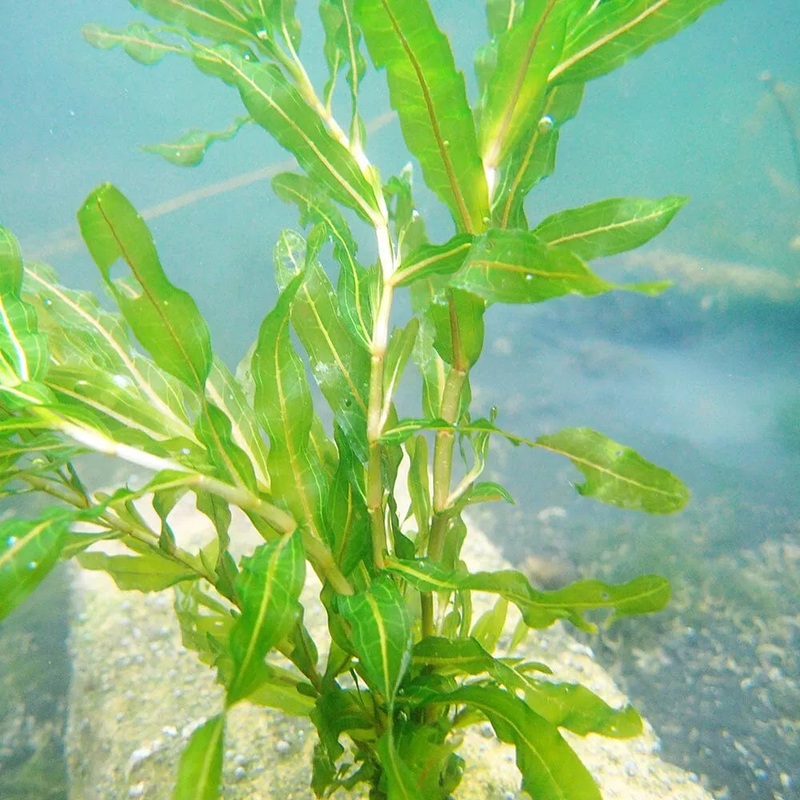
Myriophyllum spicatum is a submerged aquatic plant with long, feathery leaves that are arranged in whorls around the stem. The leaves are typically dark green in color and finely divided into many thread-like segments. The stems can grow up to several meters in length, with the top portion emerging from the water’s surface. The plant produces small, inconspicuous flowers that are usually reddish or greenish in colour.
Care Guide:
Water Requirements: Myriophyllum spicatum prefers full sun to partial shade and thrives in calm or slow-moving freshwater bodies like ponds, lakes, and streams. It can tolerate a wide range of water conditions, including slightly acidic to alkaline pH levels. Maintain a water temperature between 20-25C (68-77F) for optimal growth.
Lighting: Provide ample lighting for Myriophyllum spicatum. If growing indoors, use full spectrum aquatic plant lights. In outdoor ponds, ensure that the plant receives at least 6-8 hours of direct sunlight each day.
Substrate: Myriophyllum spicatum can be grown in a variety of substrates, including sand, gravel, or a nutrient-rich aquatic planting media. Ensure that the substrate is well-aerated and allows the roots to establish a firm hold.
Nutrient Requirements: Provide regular fertilization to promote healthy growth. Use a specialized aquatic plant fertilizer that contains essential nutrients like nitrogen, phosphorus, and potassium. You may also add iron-rich supplements to prevent yellowing of leaves.
Water Movement: This plant prefers gentle water movement. Avoid strong currents or turbulent areas as they can uproot or damage the plant.
Pruning and Maintenance: Regularly prune Myriophyllum spicatum to control its growth and prevent it from spreading excessively. Remove any dead or decaying leaves or stems to maintain water quality and prevent nutrient buildup.
Controlling Invasive Spread: If you are growing Myriophyllum spicatum in an outdoor pond, be cautious as it can become invasive and crowd out other aquatic plants. Regularly monitor the plant’s growth and remove any fragments or clippings to prevent its spread to other water bodies.
Pests and Diseases: Myriophyllum spicatum is generally resistant to pests and diseases. However, it can occasionally be affected by fungal infections or algae overgrowth. Maintain good water quality and consider using algaecides or fungicides if necessary. Note: It is important to check and comply with local regulations regarding the cultivation and control of Myriophyllum spicatum, as it may be listed as an invasive species in some regions.
Please keep in mind that Myriophyllum spicatum can be highly invasive and may require specific permissions or permits for cultivation or removal in some areas. Be sure to research and follow the guidelines and regulations in your region to prevent any negative impacts on the environment.