$14.39
$17.99
50% OFF! Hot items selling fast—Grab them before they're gone!
 Unconditional Satisfaction GuaranteeNo Shipping Fees Above 302 Months to Decide. Returns Simplified.
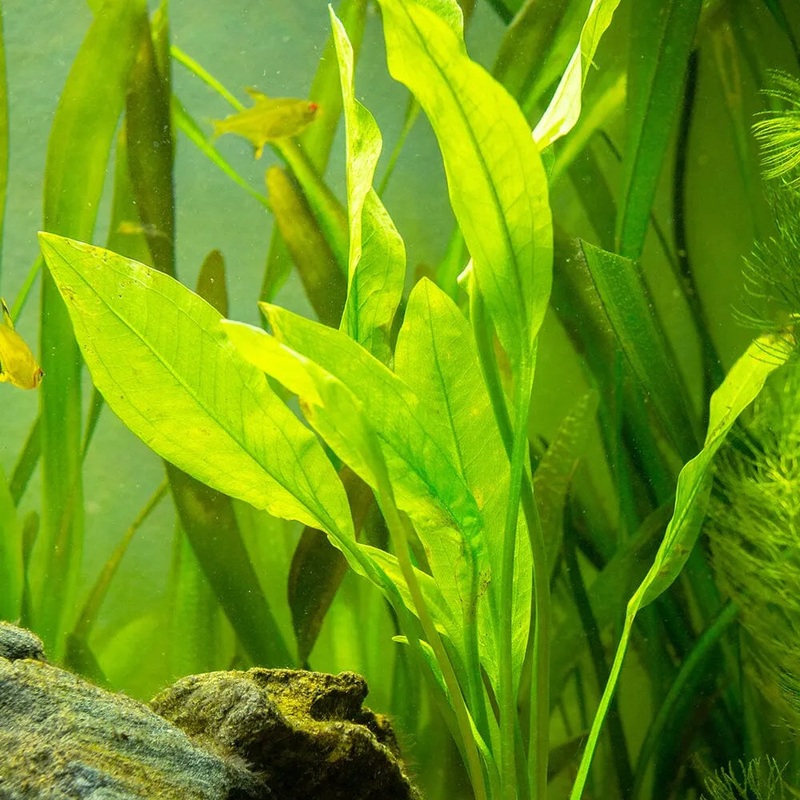
Acorus calamus, commonly known as Sweet Flag or Calamus, is a perennial, semi-aquatic plant known for its aromatic leaves and rhizomatous growth habit.
Here’s a detailed description and care guide for Acorus calamus:
Description:
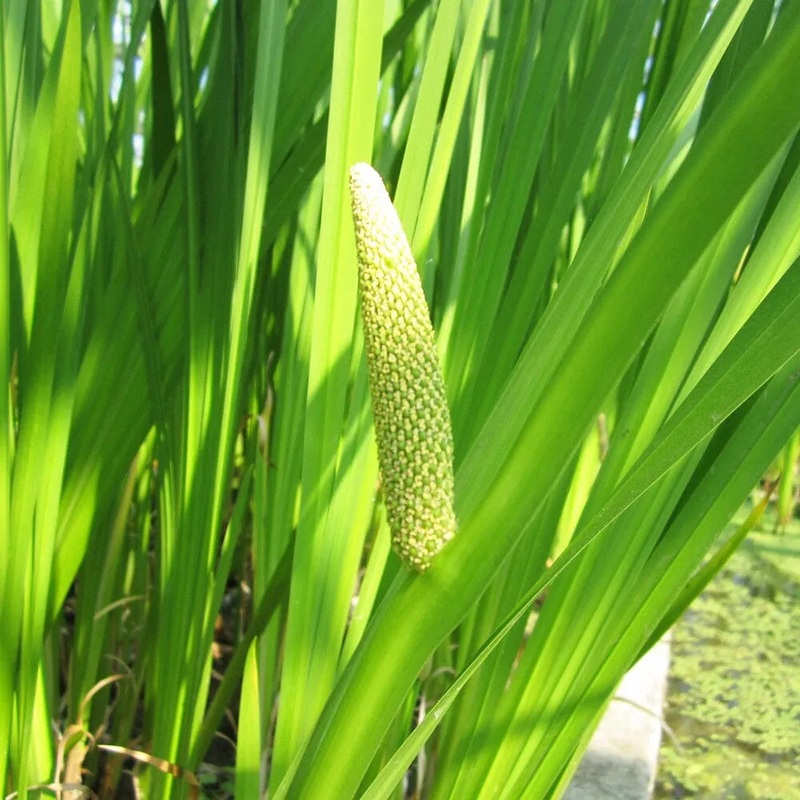
Acorus calamus features long, strap-like leaves that grow in tufts from the rhizomes. The leaves are bright green, glossy, and have a distinctive aromatic fragrance when crushed. The plant reaches a height of about 2-4 feet (60-120 cm) and forms dense clumps of foliage. In late spring or early summer, small, inconspicuous flowers may appear on tall stalks, followed by berry-like fruits. However, the primary attraction of Acorus calamus is its ornamental foliage and fragrance rather than its flowers.
Care Guide:
Lighting: Acorus calamus thrives in full sun to partial shade. It prefers bright light but can tolerate some shade. In hotter regions, providing partial shade during the hottest part of the day can prevent leaf scorching.
Water: Acorus calamus prefers moist to wet soil conditions and can tolerate shallow water up to a few inches deep. It grows well in marshy areas, bogs, or along the edges of ponds or water gardens. Ensure that the soil or planting medium remains consistently moist, but not waterlogged. Avoid allowing the plant to dry out completely.
Soil: Acorus calamus prefers fertile, loamy soil that is rich in organic matter. It thrives in slightly acidic to neutral soil with a pH range of 6.0 to 7.5. If planting in containers, use a well-draining aquatic planting medium that retains moisture.
Temperature: Acorus calamus is hardy in USDA hardiness zones 4-10. It can tolerate a wide range of temperatures but prefers mild to cool climates. In hot regions, provide some shade to prevent heat stress.
Fertilization: Acorus calamus generally does not require heavy fertilization. However, you can provide a balanced, slow-release fertilizer once a year in early spring to support healthy growth. Follow the package instructions for the appropriate dosage.
Maintenance: Acorus calamus is a low-maintenance plant. Regularly remove any dead or damaged foliage to maintain its appearance. If the plant becomes overcrowded, divide the clumps every few years to rejuvenate growth. Trim back any flowers or seed heads to promote vegetative growth.
Pests and Diseases: Acorus calamus is generally resistant to pests and diseases. However, keep an eye out for common garden pests such as aphids or snails, and take appropriate measures if necessary. Avoid overwatering, as it can lead to root rot.
Propagation: Acorus calamus can be propagated through division. Divide the clumps in early spring or fall, ensuring that each division has a healthy portion of rhizome and foliage. Replant the divisions in suitable soil or planting medium and keep them adequately watered until established.
Caution: It’s important to note that Acorus calamus contains certain compounds that may be toxic if ingested in large quantities. Keep it out of reach of children and pets. Consult local regulations regarding its cultivation and use in your area.
By following these care guidelines, you can enjoy the ornamental foliage and fragrance of Acorus calamus in your garden or water feature. Adjust the care routine based on your specific growing conditions and monitor the plant for any signs of stress or disease. With proper care, Acorus calamus can provide a visually appealing and aromatic addition to your landscape.