$15.99
$19.99
50% OFF! Hot items selling fast—Grab them before they're gone!

 Unconditional Satisfaction GuaranteeNo Shipping Fees Above 302 Months to Decide. Returns Simplified.
Rhaphidophora tetrasperma, commonly known as the Mini Monstera, is a fast-growing tropical climbing plant native to Southern Thailand and Malaysia. Although often mistaken for a small Monstera deliciosa, it is a distinct species within the Araceae family, admired for its glossy, fenestrated leaves and vigorous, easy-care growth.
The elegant, split leaves resemble miniature Monstera foliage, with smooth edges and neat perforations that develop as the plant matures. Its compact size and climbing nature make it perfect for smaller spaces, shelves, or trained up a moss pole for a true jungle feel.
Rhaphidophora tetrasperma combines the beauty of a tropical climber with low-maintenance care, making it an essential choice for both plant collectors and beginners looking to add structure and lush greenery to their indoor space.
Thrives in bright, indirect light. It will tolerate moderate light but prefers several hours of filtered brightness each day. Avoid harsh direct sunlight, which can scorch the leaves, and low light, which may cause slower growth or smaller, un-split leaves.
Water when the top 23 cm of soil feels dry. Keep the soil lightly moist during spring and summer, allowing excess water to drain freely. Reduce watering in winter when growth slows. Overwatering may cause yellow leaves or root rot.
Temperature: Prefers warmth, 1828C. Avoid cold draughts and temperatures below 15C.
Humidity: Moderate to high humidity (5070%) helps maintain lush growth. Mist occasionally or use a humidifier, especially in centrally heated homes.
Use a chunky, well-draining aroid mix a combination of peat-free compost, orchid bark, perlite, and coco coir works best. Repot every 12 years in spring to refresh the soil and give roots space to grow.
Feed every 46 weeks during spring and summer with a balanced liquid fertiliser, diluted to half strength. Stop feeding in winter when growth slows.
Prune to control size or encourage bushier growth. Remove any yellowing or damaged leaves at the base. Train up a moss pole, trellis, or coir totem to support climbing and promote larger leaves.
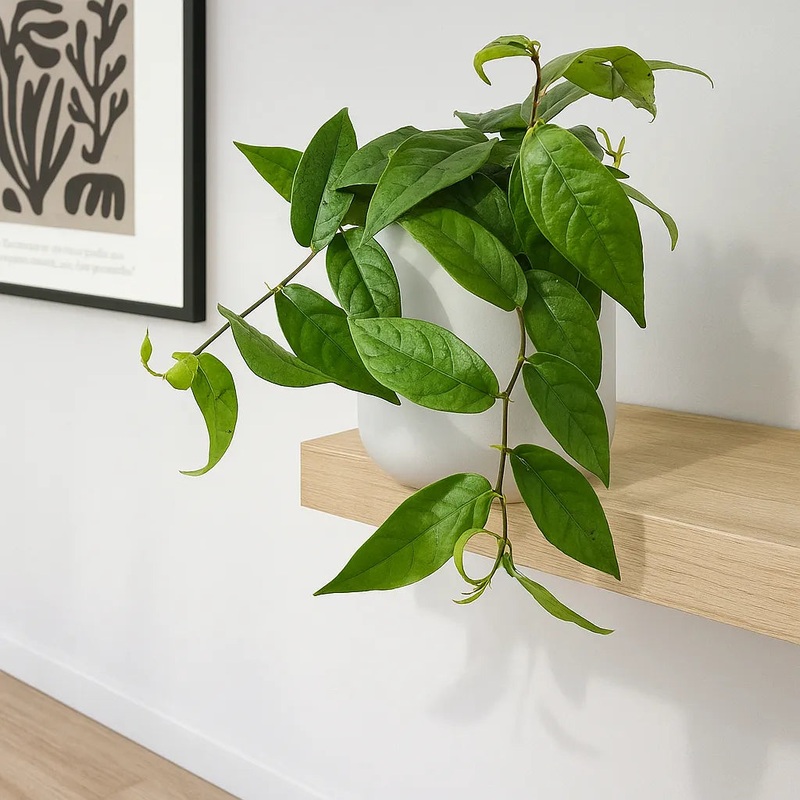
A fast-growing climber that can reach 23 metres indoors with proper support. As it climbs, the leaves grow larger and develop deeper, more dramatic splits. In smaller pots, it can also be grown as a trailing plant.
Yellow leaves: Overwatering or poor drainage.
Leggy growth: Insufficient light or lack of pruning.
Brown edges: Low humidity or inconsistent watering.
Pests: Occasionally thrips, spider mites, or mealybugs check and clean leaves regularly.
Despite its nickname, Rhaphidophora tetrasperma is not a Monstera, but it shares similar visual appeal in a smaller, faster-growing package. Discovered in the early 20th century, it has since become a modern indoor favourite thanks to its elegant split leaves, compact growth, and forgiving nature.
Like many tropical aroids, its also valued for its air-purifying properties, helping to filter toxins and improve indoor air quality while bringing a touch of the tropics indoors.
Quick Care Summary
Light: Bright, indirect; tolerates moderate light
Water: Lightly moist; let topsoil dry slightly
Temperature: 1828C; protect below 15C
Humidity: Moderate to high (5070%)
Soil: Chunky, free-draining aroid mix
Feed: Every 46 weeks in spring/summer
Growth: Fast-growing climbing plant, 23 m; glossy green, split leaves resembling a miniature Monstera
Toxicity Note: Like most aroids, Rhaphidophora tetrasperma is toxic if ingested and may irritate the skin. Keep away from pets and children.
Styling Tip:
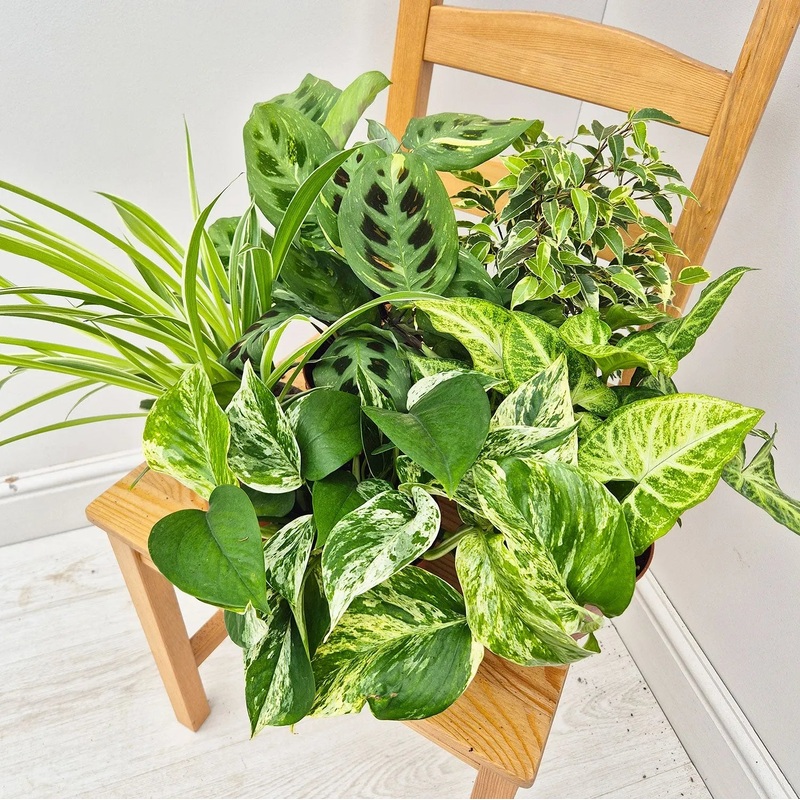
Train Rhaphidophora tetrasperma up a moss pole to encourage large, mature split leaves, or let it trail naturally from a hanging pot for a cascading effect. Pair with other tropical plants like Philodendron Brasil or Epipremnum Marble Queen for a layered, jungle-inspired look.