$14.39
$17.99
50% OFF! Hot items selling fast—Grab them before they're gone!

 Unconditional Satisfaction GuaranteeNo Shipping Fees Above 302 Months to Decide. Returns Simplified.
Hottonia palustris, commonly known as Water Violet or Featherfoil, is a delicate aquatic plant belonging to the Primulaceae family. It is native to Europe and Asia and is commonly found in shallow, still or slow-moving freshwater habitats, such as ponds, lakes, and marshes.
Here is a detailed description and care guide for Hottonia palustris:
Description:
Hottonia palustris is a perennial plant with submerged or floating leaves and stems. It typically grows to a height of 15-30 cm (6-12 inches), with the stems rising above the water’s surface.
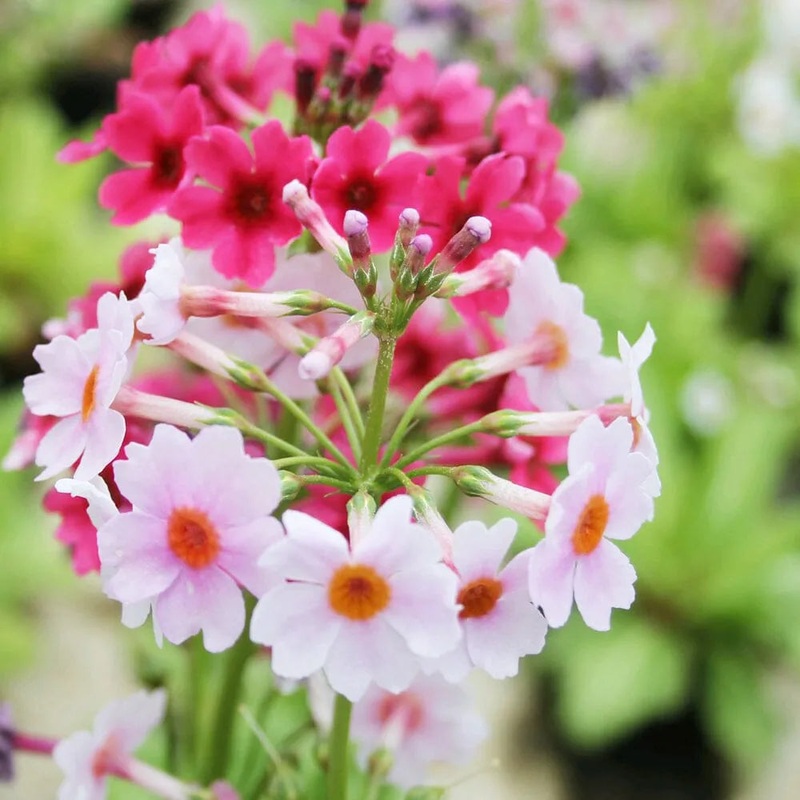
The leaves are finely divided and feathery, arranged in whorls around the stem. The submerged leaves are bright green and delicate, while the emergent leaves are larger and broader. The plant produces small, five-petaled white or pale pink flowers that emerge on slender stalks above the water.
Care Guide:
Water Requirements: Hottonia palustris requires clean, freshwater conditions with a pH range of 6.5-7.5. The water should be still or have gentle water movement, as strong currents can damage the delicate leaves and stems. Maintain a water depth that allows the plant’s emergent leaves and flowers to grow above the water surface.
Lighting: Provide moderate to bright light for Hottonia palustris. If growing indoors, place the plant near a window with filtered sunlight or use full-spectrum grow lights.
Water Temperature: Hottonia palustris prefers cool to moderate water temperatures ranging from 10-24C (50-75F). Avoid exposing the plant to extreme temperature fluctuations.
Substrate: Use a fine-grained, nutrient-rich substrate to anchor the plant’s roots. The substrate should be well-draining but capable of retaining moisture. Adding a layer of aquatic plant fertilizer or clay-based substrate can provide additional nutrients for optimal growth.
Fertilization: Hottonia palustris benefits from regular fertilization with a balanced aquatic plant fertilizer. Follow the manufacturer’s instructions for dosage and frequency, as excessive fertilization can lead to algae growth.
CO2 and Nutrient Supplementation: Providing a carbon dioxide (CO2) supplement and adding micronutrients can promote healthy growth and vibrant leaf coloration.
Pruning and Maintenance: Remove any dead or decaying leaves or stems to maintain the plant’s appearance and prevent debris buildup. Regularly thin out the plant to prevent overcrowding and allow for adequate light penetration.
Propagation: Hottonia palustris can be propagated through both division and stem cuttings. To divide the plant, carefully separate the rooted portions and replant them in suitable substrate. Stem cuttings can be taken and placed in a separate container with suitable conditions until they develop roots.
Pests and Diseases: Hottonia palustris is generally resistant to pests and diseases. However, it is important to maintain good water quality and monitor for any signs of disease or pest infestation.
If needed, treat with appropriate aquatic plant-safe treatments following the manufacturer’s instructions. Hottonia palustris adds a graceful and delicate touch to freshwater aquariums, ponds, and water gardens. It provides hiding places for small fish and invertebrates, as well as a source of oxygen and filtration. Additionally, it contributes to a natural and balanced aquatic ecosystem. Ensure to check and comply with local regulations regarding the cultivation and control of Hottonia palustris in your region.