$14.39
$17.99
50% OFF! Hot items selling fast—Grab them before they're gone!

 Unconditional Satisfaction GuaranteeNo Shipping Fees Above 302 Months to Decide. Returns Simplified.
Caltha leptosepala, commonly known as marsh marigold or white marsh marigold, is a beautiful flowering perennial native to wetland habitats in North America.
Here’s a detailed description and care guide for Caltha leptosepala:
Description:
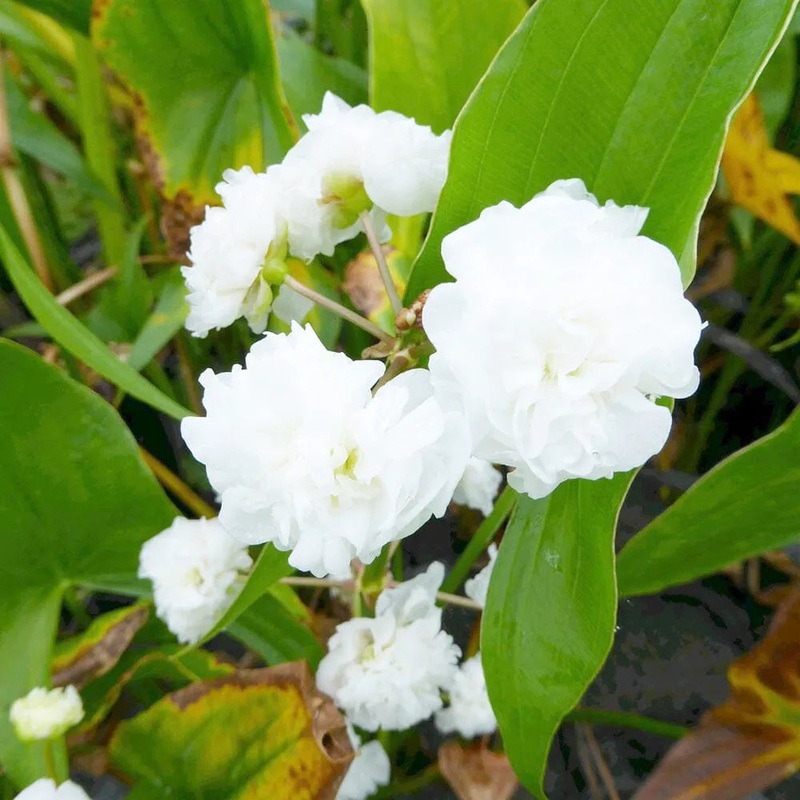
Caltha leptosepala is a clump-forming perennial plant that typically grows up to 12-24 inches (30-60 cm) in height. It features shiny, dark green, heart-shaped leaves that are deeply veined. In early spring to early summer, the plant produces an abundance of charming white flowers with yellow centers. Each flower has 5-9 petal-like sepals and a prominent cluster of golden yellow stamens. The blooms provide a striking contrast against the lush green foliage and are an attractive sight in wetland gardens.
Care Guide:
Light: Marsh marigold thrives in full to partial shade. It prefers some protection from the hot afternoon sun, especially in regions with hot summers. However, it can tolerate a range of light conditions, including dappled shade.
Water: Caltha leptosepala is a moisture-loving plant and requires consistently moist soil. It is well-suited to wetland or bog gardens, but it can also grow in regular garden soil as long as it doesn’t dry out. Water the plant regularly, especially during dry periods, to keep the soil consistently moist. Avoid waterlogged conditions, as it can lead to root rot.
Soil: This plant prefers fertile, humus-rich soil that is consistently moist. It can tolerate a range of soil types, including clay, loam, or sandy soil, as long as it retains moisture. Consider amending the soil with organic matter, such as compost or well-rotted manure, to improve its fertility and moisture retention capacity.
Fertilizer: Marsh marigold generally doesn’t require heavy feeding. However, if the soil is poor in nutrients, you can apply a balanced, slow-release fertilizer in early spring. Follow the package instructions for dosage and application instructions. Avoid excessive fertilization, as it can promote lush foliage growth at the expense of flower production.
Maintenance: Remove spent flower stalks after blooming to improve the plant’s appearance. Deadheading can also help prevent self-seeding. In late fall or early winter, cut back the foliage to the ground to prepare the plant for the dormant period. This will also help to maintain a tidy appearance and promote healthy regrowth in the following season.
Pests and Diseases: Marsh marigold is generally resistant to most pests and diseases. However, it can occasionally be affected by slugs or snails, especially in damp conditions. Monitor the plants regularly and apply appropriate control measures if necessary. Good air circulation and spacing between plants can help prevent the development of fungal diseases.
Caltha leptosepala is a delightful plant that adds charm and beauty to wetland gardens, bog gardens, or other moist areas in the landscape. Its early spring blooms and attractive foliage make it a standout feature in any garden.