$14.39
$17.99
50% OFF! Hot items selling fast—Grab them before they're gone!

 Unconditional Satisfaction GuaranteeNo Shipping Fees Above 302 Months to Decide. Returns Simplified.
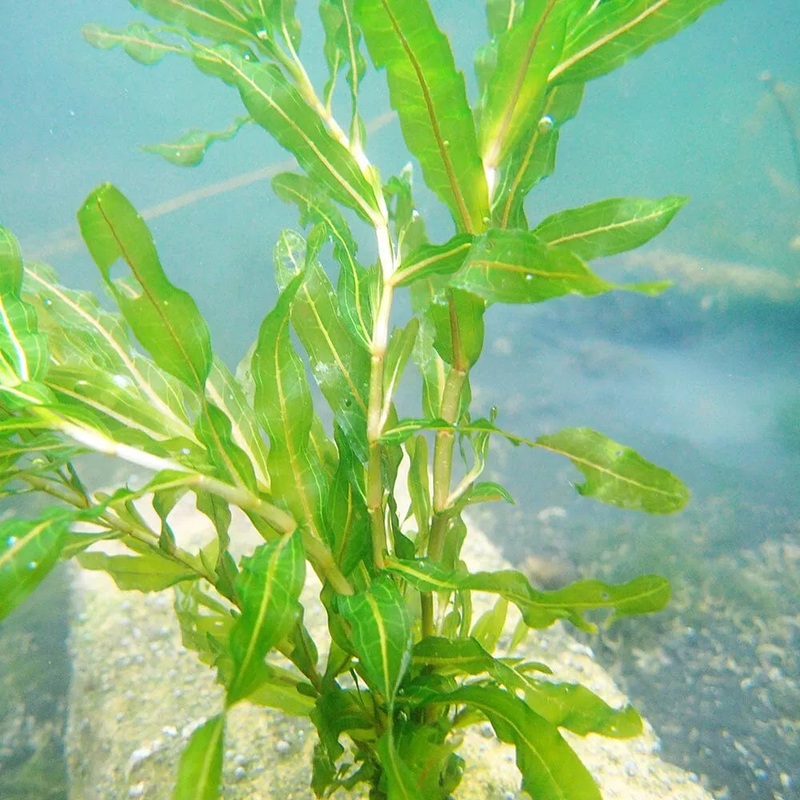
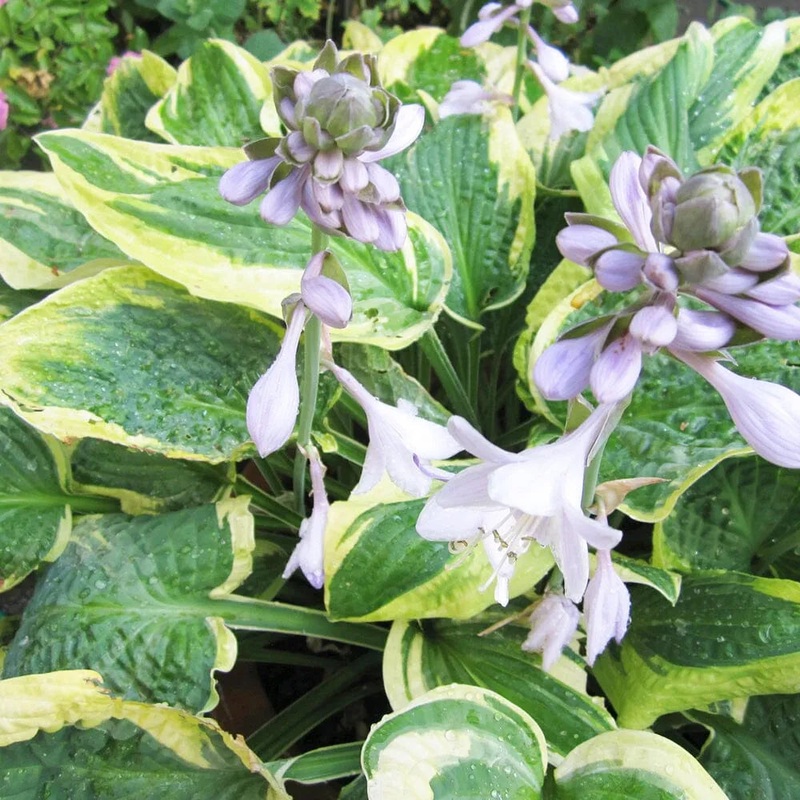
Scrophularia auriculata variegata is a variation of the species Scrophularia auriculata with variegated foliage. Variegation refers to the presence of patterns or patches of different colors, typically lighter or creamier, on the leaves. The specific variegation pattern and intensity can vary among individual plants.
Care Guide:
Lighting: Variegated Scrophularia species usually prefer partial shade to full shade. They may exhibit better coloration and variegation in brighter light conditions, but excessive direct sunlight can scorch the leaves. Provide some protection from intense afternoon sunlight.
Water: Variegated Scrophularia plants have similar water requirements to their non-variegated counterparts. They prefer consistently moist soil and can tolerate slightly damp conditions. Ensure adequate drainage to prevent waterlogging, as overly wet soil can lead to root rot.
Soil: Use a well-draining, fertile soil mix for planting variegated Scrophularia. A combination of garden soil, compost, and organic matter can provide a suitable growing medium. Regularly amend the soil with organic matter to improve its structure and fertility.
Temperature: Variegated Scrophularia species typically have similar temperature preferences as their non-variegated counterparts. They are generally hardy in USDA hardiness zones 4-8, but the specific hardiness can vary depending on the species. Protect the plants from extreme heat or cold conditions.
Maintenance: Regular maintenance practices for variegated Scrophularia include deadheading spent flowers to encourage continuous blooming and prevent self-seeding. Remove any damaged or discolored leaves to maintain the plant’s appearance. Dividing clumps every few years can help rejuvenate the plant and control its growth.
Propagation: Variegated Scrophularia can be propagated through division or by collecting and sowing its seeds. Division is typically done in early spring or fall when the plant is not actively growing. Sow the seeds in a well-prepared seedbed or containers filled with a seed-starting mix. Keep the soil consistently moist until germination occurs.
Pests and Diseases: Variegated Scrophularia species are generally resistant to pests and diseases. However, they can occasionally attract aphids or spider mites. Regularly inspect the plants for any signs of infestation and take appropriate measures if necessary. Good air circulation and proper spacing between plants can help prevent diseases.
It’s important to note that the care requirements can vary slightly depending on the specific variegated Scrophularia species or variety. If you have a specific variety in mind, it may be helpful to consult with a local nursery or gardening expert for more tailored care advice.