$14.39
$17.99
50% OFF! Hot items selling fast—Grab them before they're gone!

 Unconditional Satisfaction GuaranteeNo Shipping Fees Above 302 Months to Decide. Returns Simplified.
Dierama pulcherrimum, commonly known as the Angel’s Fishing Rod or Wandflower, is a graceful perennial plant native to South Africa. It is appreciated for its elegant arching stems adorned with pendulous flowers that resemble fishing rods. Here’s a detailed description and care guide for Dierama pulcherrimum:
Description:
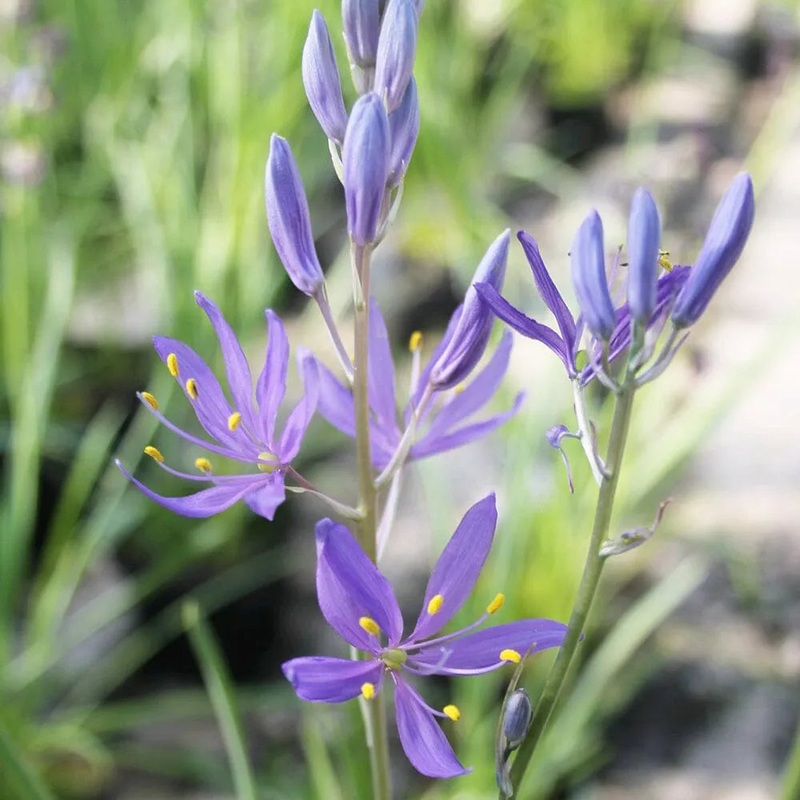
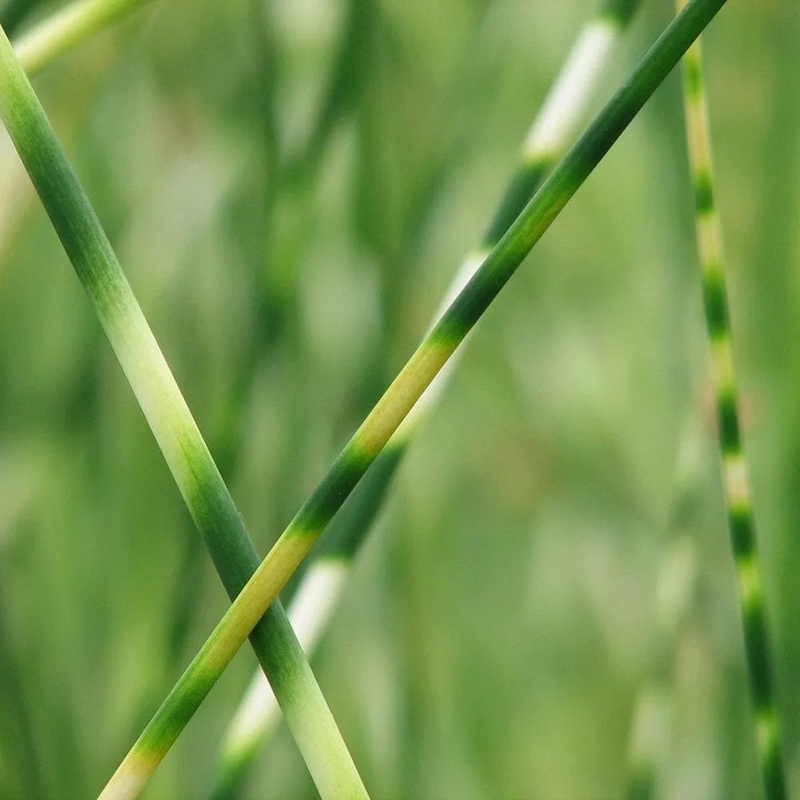
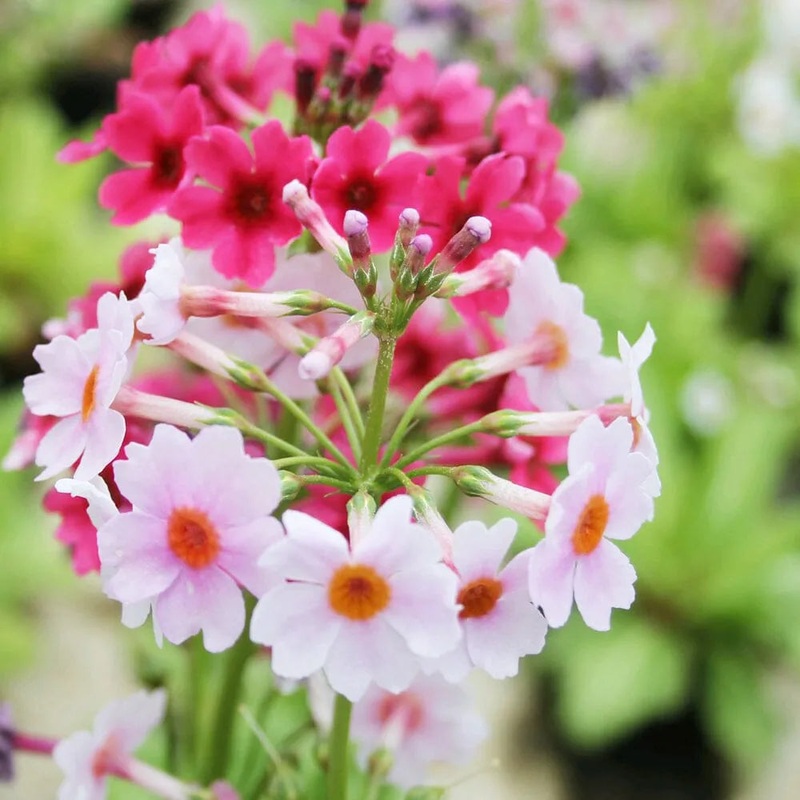
Dierama pulcherrimum is a herbaceous perennial that forms clumps of narrow, strap-like leaves. The foliage is typically green but can have a bluish hue. From early to mid-summer, it produces slender, arching stems that can reach up to 3 to 5 feet (0.9 to 1.5 meters) in height. The stems are adorned with numerous bell-shaped flowers that hang down like fishing rods. The flowers come in various shades of pink, ranging from pale to deep hues, and create a graceful and eye-catching display.
Care Guide:
Lighting: Dierama pulcherrimum thrives in full sun to partial shade. It prefers at least 6 to 8 hours of direct sunlight each day. In regions with hot summers, some afternoon shade can help protect the plant from scorching.
Soil: This plant prefers well-draining soil that is rich in organic matter. A sandy loam or loamy soil with good drainage is ideal. Ensure that the soil does not become waterlogged, as overly wet conditions can lead to root rot.
Watering: While Dierama pulcherrimum appreciates consistent moisture, it is important to avoid overwatering. Allow the top inch (2.5 cm) of soil to dry out between waterings. During hot and dry periods, water deeply but infrequently to promote deeper root growth.
Fertilization: Dierama pulcherrimum benefits from regular fertilization to support healthy growth and blooming. Use a balanced, slow-release fertilizer or apply a balanced liquid fertilizer during the growing season. Follow the instructions on the packaging for the appropriate dosage and frequency.
Mulching: Apply a layer of organic mulch around the base of the plant to conserve soil moisture, suppress weed growth, and provide some insulation to the roots. Avoid piling mulch against the stem, as it can lead to rot.
Support: As the stems of Dierama pulcherrimum can become tall and arching, it is advisable to provide support. Insert stakes or place a ring of wire around the clump to prevent the stems from bending or breaking under the weight of the flowers.
Pruning: Remove spent flowers and any dead or yellowing foliage to maintain the plant’s appearance and promote continuous blooming. Prune the stems back to the ground in late autumn or early spring to rejuvenate the plant for the next growing season.
Division: Dierama pulcherrimum can be divided every few years to control its size and encourage vigorous growth. Lift the clump in early spring when new growth starts to emerge. Gently separate the individual corms or bulbs and replant them at the desired spacing.
Winter Care: Dierama pulcherrimum is generally hardy, but in colder regions, it may benefit from some protection during winter. Apply a thick layer of mulch around the base of the plant to insulate the roots. In particularly harsh climates, you can also cover the clump with a layer of straw or horticultural fleece.
By following these care guidelines, you can enjoy the beauty of Dierama pulcherrimum and its elegant fishing rod-like flowers in your garden. Adjust the care routine based on your specific growing conditions and monitor the plant for any signs of pests, diseases, or nutrient deficiencies.