
$16.79
$20.99
50% OFF! Hot items selling fast—Grab them before they're gone!

 Unconditional Satisfaction GuaranteeNo Shipping Fees Above 302 Months to Decide. Returns Simplified.
Syngonium podophyllum Albo Variegata, often known as the Syngonium Albo or Arrowhead Vine Albo Variegata, is a spectacular variegated tropical aroid prized for its marbled white-and-green foliage and graceful vining growth. A member of the Araceae family and native to the rainforests of Central and South America, this cultivar is a collectors favourite combining elegant variegation with the hardy, adaptable nature that Syngoniums are known for.
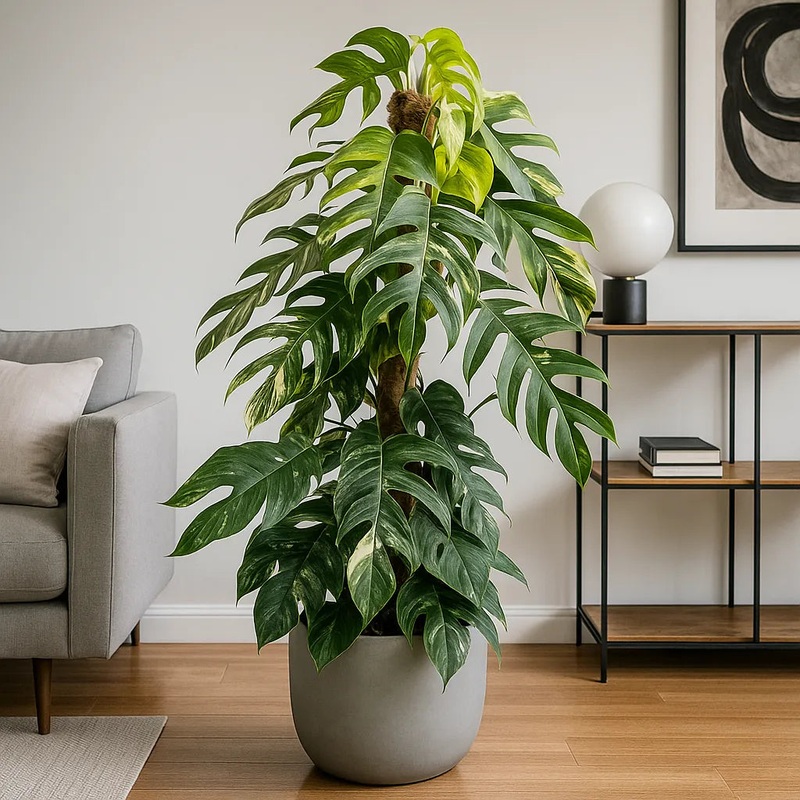
Each arrow-shaped leaf features splashes, streaks, or large blocks of creamy white variegation contrasted against rich green, giving every leaf a one-of-a-kind pattern. As the plant matures, the leaves elongate and may develop subtle lobes, while the climbing stems can be trained to grow vertically on a moss pole or allowed to trail freely.
Delicate yet resilient, Syngonium Albo Variegata brings a bright, contemporary touch to indoor spaces a tropical classic that balances wild beauty with sophistication.
Thrives in bright, indirect light, which helps maintain its crisp white variegation. Avoid direct sunlight, as it can scorch the white areas, but ensure sufficient brightness to prevent reversion (loss of variegation). East- or north-facing windows are ideal.
Keep the soil lightly moist but not waterlogged. Water when the top 23 cm of soil feels dry to the touch. Reduce watering slightly in winter, allowing the top layer to dry a little more between waterings. Use filtered or rainwater where possible to prevent leaf spotting.
Temperature: Prefers warmth between 1828 C. Protect from cold drafts and avoid temperatures below 15 C.
Humidity: Moderate to high humidity (6080%) helps maintain vibrant variegation and healthy growth. Mist regularly, use a humidifier, or group with other tropical plants to raise humidity levels.
Use a rich, airy, and well-draining mix compost combined with perlite, coco coir, and a little orchid bark provides ideal balance. Repot every 12 years in spring to refresh nutrients and promote steady growth.
Feed every 46 weeks during spring and summer with a diluted, balanced liquid fertiliser. Avoid over-fertilising, as variegated plants are more sensitive to nutrient build-up. Stop feeding during autumn and winter.
Prune leggy vines to maintain a bushy shape and encourage fuller growth. Trim away yellowing or damaged leaves at the base. Wipe leaves gently with a damp cloth to remove dust and showcase their marbled surface. Rotate the plant regularly for even light exposure.
A moderately fast-growing vine, Syngonium Albo Variegata typically reaches 6090 cm in height and spread indoors. Supported on a moss pole, it climbs elegantly and develops larger leaves over time. Without support, it trails beautifully from pots or hanging planters.
Yellow leaves: Overwatering or poor drainage.
Loss of variegation: Insufficient light.
Brown edges: Low humidity or inconsistent watering.
Pests: Occasionally affected by spider mites or thrips treat with neem oil or insecticidal soap.
Native to the tropical rainforests of Central and South America, Syngonium podophyllum grows naturally as a climbing epiphyte, using trees for support. The variegated cultivar Albo Variegata was developed for its rare white pigmentation, offering a bright, artistic twist on the classic green Syngonium.
Symbolically, Syngoniums represent growth, balance, and positive energy their changing leaf shape symbolising transformation. Non-toxic to touch but mildly toxic if ingested, they should be kept out of reach of pets and small children.
Light: Bright, indirect light; avoid direct sun
Water: Keep soil lightly moist; allow top few cm to dry
Temperature: 1828 C; avoid below 15 C
Humidity: Moderate to high (6080%)
Soil: Aroid mix compost, perlite, coco coir, bark
Feed: Every 46 weeks in spring/summer
Growth: 6090 cm; marbled green and white arrow-shaped leaves
Toxicity note: Mildly toxic to pets and humans if ingested; may cause irritation to mouth and skin.
Showcase Syngonium Albo Variegata in a bright room where its creamy variegation can shine. Use a white, neutral, or dark ceramic pot to contrast its marbled foliage, or let it trail from a shelf for a cascading effect. For a sculptural look, train it up a moss pole or trellis alongside deep green tropicals such as Philodendron Imperial Green or Ficus elastica Robusta. Perfect for modern or minimalist interiors, it brings natural light and movement into any space a living artwork that evolves beautifully with time.