$75.00
$149.99
50% OFF! Hot items selling fast—Grab them before they're gone!

 Unconditional Satisfaction GuaranteeNo Shipping Fees Above 302 Months to Decide. Returns Simplified.
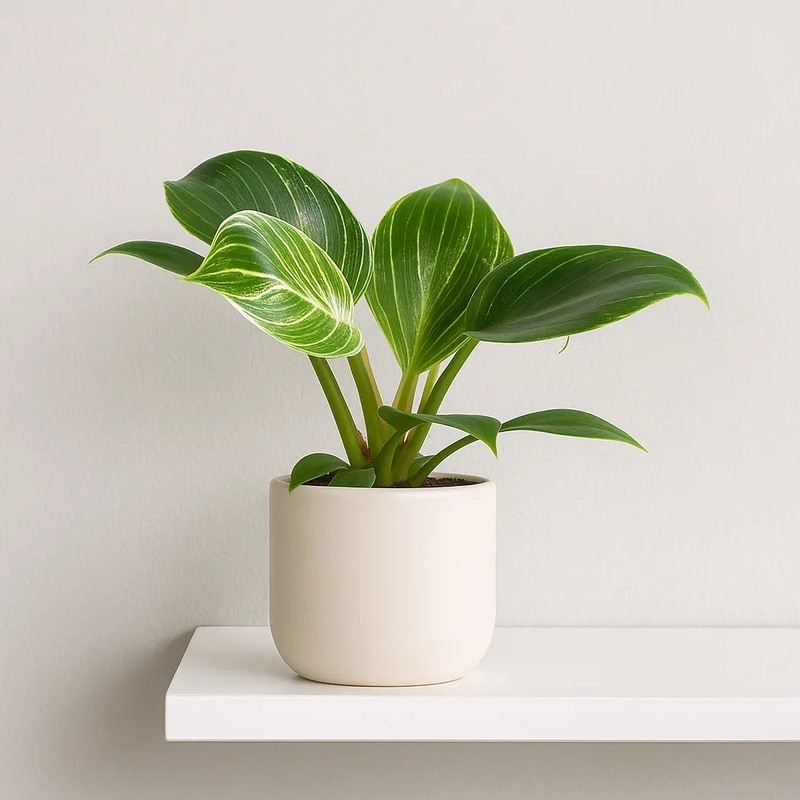
Philodendron billietiae Variegata is one of the most striking and collectable variegated philodendrons. The species Philodendron billietiae originates from the rainforests of French Guiana, Brazil, and Suriname and is renowned for its elongated, glossy leaves and distinctive orange petioles. The variegated form is even rarer and highly prized among aroid collectors for its extraordinary foliage.
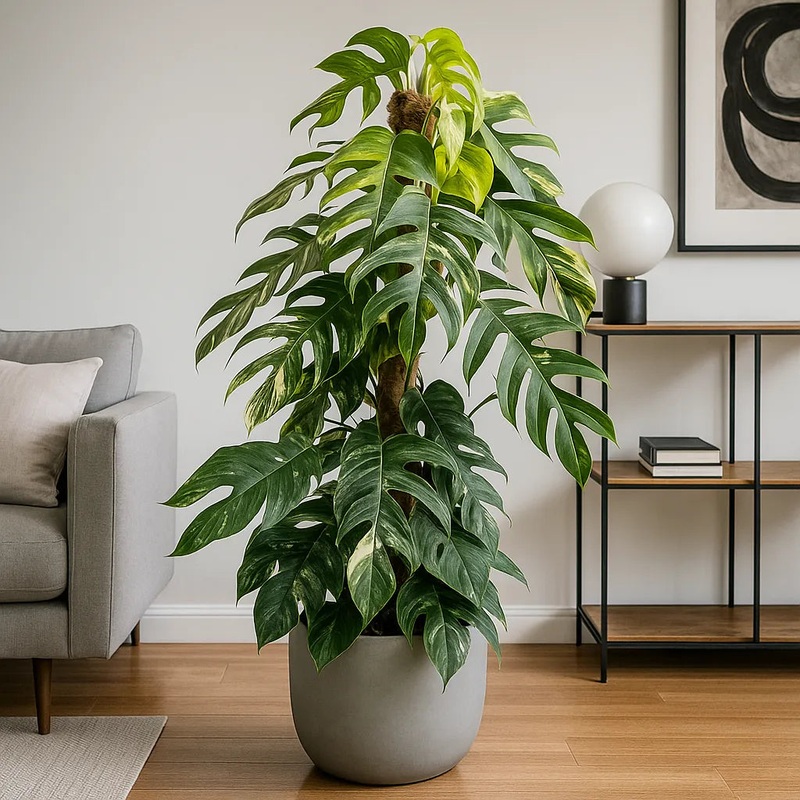
The long, lanceolate leaves of Variegata are decorated with dramatic splashes, streaks, and sectoral blocks of creamy white, soft yellow, or lime marbling against a deep green background. Each leaf is unique, with some showing subtle speckling while others display bold half-moon variegation. The plants vivid orange petioles add another layer of ornamental appeal, making it a living artwork.
When given climbing support such as a moss pole or totem, leaves can grow up to 90 cm long indoors, forming an impressive display that is both bold and elegant.
Requires bright, indirect light to maintain variegation. In lower light, leaves may revert to green. Avoid direct sunlight, which can scorch the pale variegated areas.
Water when the top 34 cm of soil feels dry. Keep soil evenly moist but never waterlogged. Reduce watering in autumn and winter when growth slows.
Temperature: Prefers warmth, 1828C. Keep away from draughts and avoid prolonged exposure below 15C.
Humidity: High humidity (6080%) is ideal. Mist regularly or use a humidifier to prevent browning of variegated leaf sections.
Use a chunky, free-draining aroid mix peat-free compost blended with orchid bark, perlite, and coco coir. Repot every 12 years in spring to refresh the medium and support vigorous root development.
Feed every 23 weeks in spring and summer with a balanced liquid fertiliser. Cut back in autumn and stop in winter.
Prune to control size and encourage bushiness. Remove yellowing or damaged leaves at the base. Stem cuttings propagate well in water, moss, or soil.
A climbing philodendron that grows more dramatic leaves as it matures. Indoors, with proper support, it can reach over 1.5 metres tall.
Loss of variegation: Caused by insufficient light.
Yellowing leaves: Usually linked to overwatering.
Brown edges: Low humidity or sunburn on pale variegation.
Pests: Occasionally mealybugs, thrips, or spider mites.
Discovered in the mid-1980s, Philodendron billietiae has become a collectors favourite for its slender, elongated leaves and striking orange petioles. The variegated cultivar is even rarer and is considered a grail plant for many enthusiasts due to its unique marbling and unpredictable foliage patterns.
Quick Care Summary
Light: Bright, indirect; avoid direct sun
Water: Keep evenly moist; let topsoil dry slightly
Temperature: 1828C; avoid below 15C
Humidity: High (6080%)
Soil: Chunky, free-draining aroid mix
Feed: Every 23 weeks in spring/summer
Growth: Climbing philodendron; elongated leaves marbled with creamy white/yellow and deep green; orange petioles