$32.76
$40.95
50% OFF! Hot items selling fast—Grab them before they're gone!

 Unconditional Satisfaction GuaranteeNo Shipping Fees Above 302 Months to Decide. Returns Simplified.
Hoya caudata is a captivating tropical species treasured by collectors for its textured foliage and exotic, fragrant blooms. Native to the humid forests of southern Thailand, Malaysia, and Borneo, this species grows as an epiphyte in its natural habitat, clinging to trees where it receives filtered light, warmth, and steady humidity.
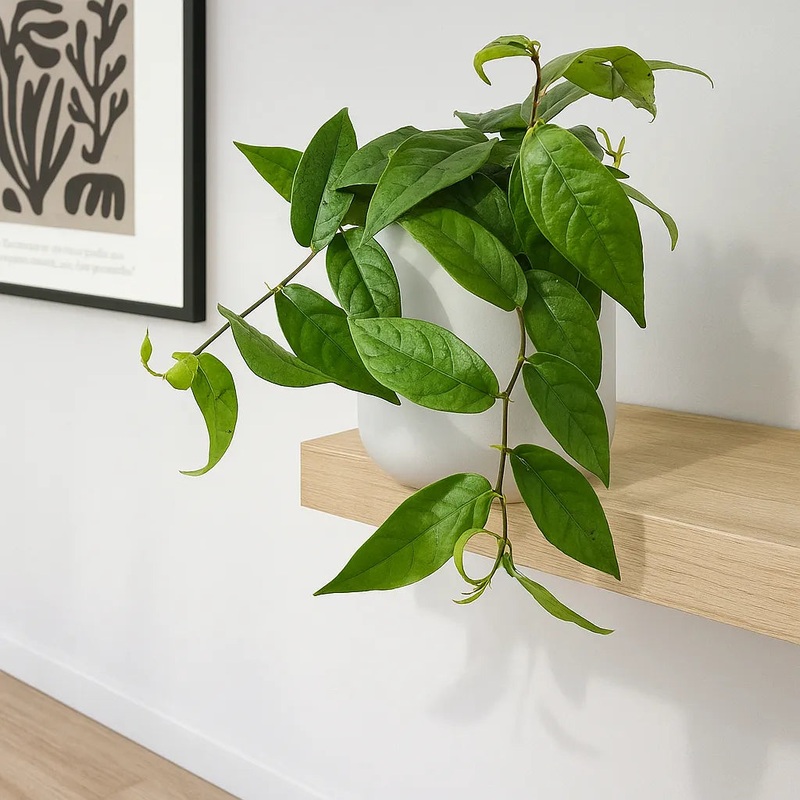
The leaves of Hoya caudata are thick, leathery, and irregularly shaped, often adorned with flecks of silver or white speckling across a deep green to olive surface. Each leaf is unique, with slightly rough edges and a velvety texture that gives the plant a rugged, natural look. When mature, it produces clusters of fuzzy, star-shaped flowers typically creamy white or pale pink with burgundy centres which emit a sweet, rich fragrance, especially in the evening.
Wild and untamed in appearance, Hoya caudata has an unmistakable charm that appeals to collectors who appreciate plants with character and individuality.
Prefers bright, indirect light or dappled sunlight. A few hours of gentle morning or late-afternoon sun helps encourage flowering and maintain healthy leaf variegation. Avoid harsh midday light, which can burn the leaves, and very low light, which slows growth.
Allow the top 34 cm of soil to dry before watering again. Hoya caudata enjoys light, consistent moisture but is highly sensitive to overwatering. Reduce watering in cooler months. Always ensure the pot has excellent drainage, and never allow the roots to sit in standing water.
Temperature: Prefers 2030C; avoid exposure below 15C. Protect from cold draughts.
Humidity: Enjoys moderate to high humidity (6080%). Use a humidifier or pebble tray to maintain humidity in dry conditions, especially during winter heating months.
Use an airy, free-draining mix that mimics an epiphytic environment a blend of orchid bark, perlite, and coco coir works perfectly. Terracotta or clay pots are ideal for preventing excess moisture. Repot only when the plant becomes root-bound, as Hoyas prefer to stay slightly snug in their pots.
Feed every 46 weeks during spring and summer with a diluted, balanced liquid fertiliser or a bloom-promoting formula with extra phosphorus. Avoid over-fertilising, which can harm the roots. Suspend feeding during autumn and winter.
Trim vines lightly to maintain shape and encourage new branching. Avoid removing the flower spurs (peduncles), as Hoya caudata will rebloom from the same points each year. Wipe the leaves gently with a soft cloth to remove dust and highlight their speckled texture.
A slow to moderate grower with a trailing, semi-vining habit. Mature plants can reach up to 60100 cm in length, producing clusters of 1015 flowers per umbel once established. It can take a year or two to bloom after rooting, but the reward is worth the wait.
Yellowing leaves: Overwatering or compact soil.
Shrivelled leaves: Underwatering or very low humidity.
Lack of blooms: Insufficient light or premature removal of flower spurs.
Pests: Occasionally mealybugs or spider mites; treat promptly with neem oil or insecticidal soap.
Hoya caudata was first described in the 19th century and has become a prized species among rare plant enthusiasts. It belongs to the same group as Hoya finlaysonii and Hoya latifolia, sharing their love for humidity and filtered light but distinguished by its textured, irregular leaves and fuzzy blooms.
This species represents the wild beauty of the Hoya genus imperfect, tactile, and authentic. Its ideal for collectors who appreciate subtle details and natural variation. Like all Hoyas, its also an excellent air-purifying plant, helping to clean indoor air while adding a touch of exotic greenery.
Light: Bright, indirect or lightly dappled light
Water: Let top 34 cm of soil dry between watering
Temperature: 2030C; avoid below 15C
Humidity: Moderate to high (6080%)
Soil: Airy, epiphytic mix bark, perlite, coco coir
Feed: Every 46 weeks in spring/summer
Growth: Trailing habit, 60100 cm; rough green leaves with silver speckling and creamy, fragrant flowers
Toxicity note: Contains mild latex sap that may irritate skin and is toxic if ingested. Keep away from pets and children.
Display Hoya caudata in a hanging planter or cascading from a high shelf, where its rugged leaves and silver speckles can be admired from below. For a visually balanced arrangement, pair it with smoother-leaved species such as Hoya carnosa Chelsea or Hoya heuschkeliana Variegata. Its natural, untamed look fits beautifully in bohemian, botanical, or jungle-inspired interiors.