
$16.79
$20.99
50% OFF! Hot items selling fast—Grab them before they're gone!

 Unconditional Satisfaction GuaranteeNo Shipping Fees Above 302 Months to Decide. Returns Simplified.
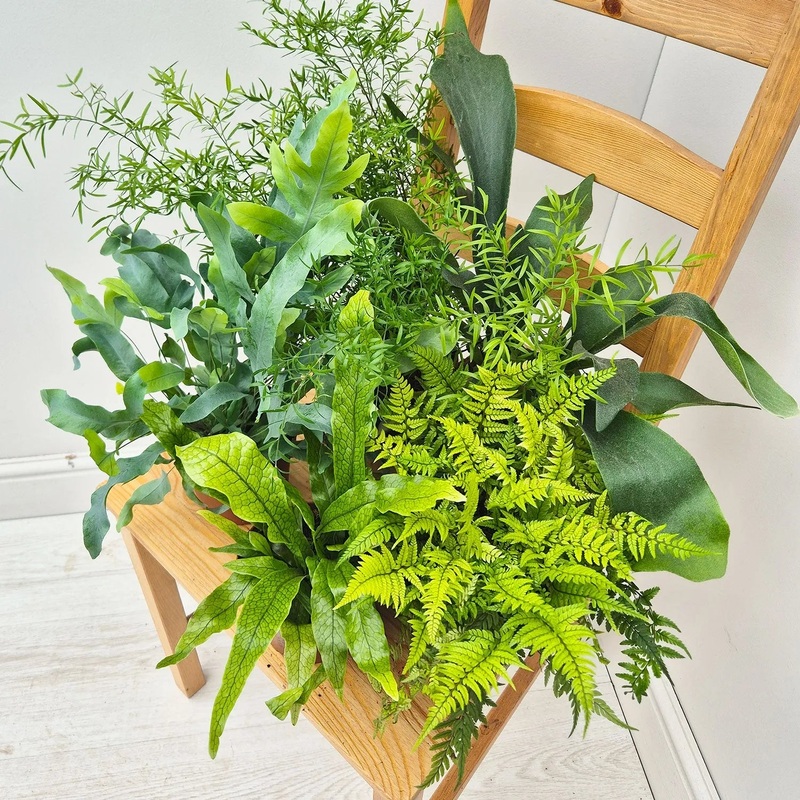
Asparagus setaceus Plumosus, also known as the Asparagus Fern Plumosus, Lace Fern, or Climbing Asparagus, is a graceful ornamental plant admired for its delicate, feathery foliage and elegant, airy texture. A member of the Asparagaceae family and native to southern Africa, this species is not a true fern but a soft-stemmed perennial with a fern-like appearance.
The plants fine, needle-like cladodes (flattened leaf stems) form light, feathery sprays of vibrant green foliage that create a soft, cloud-like effect. As it matures, Asparagus plumosus develops slender arching stems that can climb or trail, making it suitable for hanging baskets, tall planters, or trellised displays. In the right conditions, it may even produce tiny white flowers followed by small, glossy black berries.
Elegant, airy, and timeless, Asparagus setaceus Plumosus brings a sense of lightness and sophistication to interiors an ideal choice for collectors and stylists seeking fine-textured greenery with a touch of vintage charm.
Thrives in bright, indirect light. Ample filtered brightness encourages full, lush growth and maintains the vivid green colour. It tolerates some morning or late-afternoon sun but should be shielded from harsh midday rays, which can scorch the delicate foliage. In lower light, growth becomes sparse and less feathery.
Keep the soil evenly moist but never waterlogged. Water when the top 23 cm of soil feels dry to the touch. During spring and summer, the plant prefers steady moisture; in winter, reduce watering frequency while avoiding complete dryness. If the foliage begins to brown or shed, its usually a sign of inconsistent watering or low humidity.
Temperature: Prefers 1826 C; protect from cold draughts and avoid temperatures below 12 C.
Humidity: Enjoys moderate to high humidity (5070%). Mist lightly or place near a humidifier, especially in centrally heated environments where air tends to be dry.
Use a light, free-draining potting mix such as a blend of compost, perlite, and coco coir or fine bark. The mix should hold gentle moisture while allowing airflow around the roots. Repot every 12 years in spring to refresh nutrients and manage root growth Asparagus plumosus can become root-bound if left too long.
Feed every 46 weeks in the growing season (spring and summer) with a diluted, balanced liquid fertiliser. Too much fertiliser can cause yellowing or weak stems. Suspend feeding in autumn and winter when the plants growth slows naturally.
Prune older or yellowing fronds near the base to promote new, soft growth. The fine foliage can be gently combed with fingers to remove dust or spent leaves. If the plant becomes overgrown or leggy, cut it back by one-third in spring it will regrow vigorously. Handle with care: though delicate in appearance, the stems have tiny thorns.
A moderate to fast grower, Asparagus setaceus Plumosus can reach 6090 cm in height and spread indoors, with trailing stems extending up to 1.5 metres. With support, it will climb gracefully; left to trail, it forms a cascading, cloud-like mass of fine greenery that softens edges and brightens spaces.
Yellowing leaves: Overwatering, compact soil, or cold exposure.
Browning tips: Low humidity or irregular watering.
Sparse growth: Insufficient light.
Pests: Occasionally spider mites or aphids; treat promptly with neem oil or insecticidal soap.
Asparagus setaceus is native to South Africa, where it grows in forested and scrub habitats as a climbing or scrambling plant. Its finely divided, feathery foliage has made it a decorative favourite since the Victorian era, often used in conservatories and floral arrangements.
In modern interiors, its loved for its light, textural quality and air-purifying ability, subtly filtering toxins from the air while adding freshness and volume to plant groupings. Despite its delicate look, its a hardy species that adapts easily to indoor conditions, provided it receives consistent light and moisture.
Light: Bright, indirect light; tolerates soft morning sun
Water: Keep soil evenly moist; allow top 23 cm to dry before watering
Temperature: 1826 C; avoid below 12 C
Humidity: Moderate to high (5070%)
Soil: Light, free-draining mix compost, perlite, coir
Feed: Every 46 weeks in spring/summer
Growth: Climbing or trailing habit, 6090 cm; soft, feathery bright-green foliage
Toxicity note: Contains sap that can irritate skin and is toxic if ingested. Keep away from pets and children.
Display Asparagus setaceus Plumosus in a hanging basket, pedestal planter, or decorative pot on a high shelf to highlight its soft, cascading fronds. It pairs beautifully with broader-leafed companions such as Philodendron Birkin or Aglaonema White Joy, adding contrast and texture to tropical groupings. In bright conservatories or minimalist interiors, its airy greenery softens sharp lines and introduces a natural sense of movement the perfect blend of vintage grace and modern refinement.