
$32.00
$40.00
50% OFF! Hot items selling fast—Grab them before they're gone!

 Unconditional Satisfaction GuaranteeNo Shipping Fees Above 302 Months to Decide. Returns Simplified.
Ficus benjamina Danielle, often called the Weeping Fig Danielle, is a timeless tropical houseplant admired for its elegant form and lush, glossy foliage. Native to Southeast Asia and part of the Moraceae family, this cultivar is known for its deep green, dense leaves and gracefully arching branches, which give it a soft, flowing silhouette.
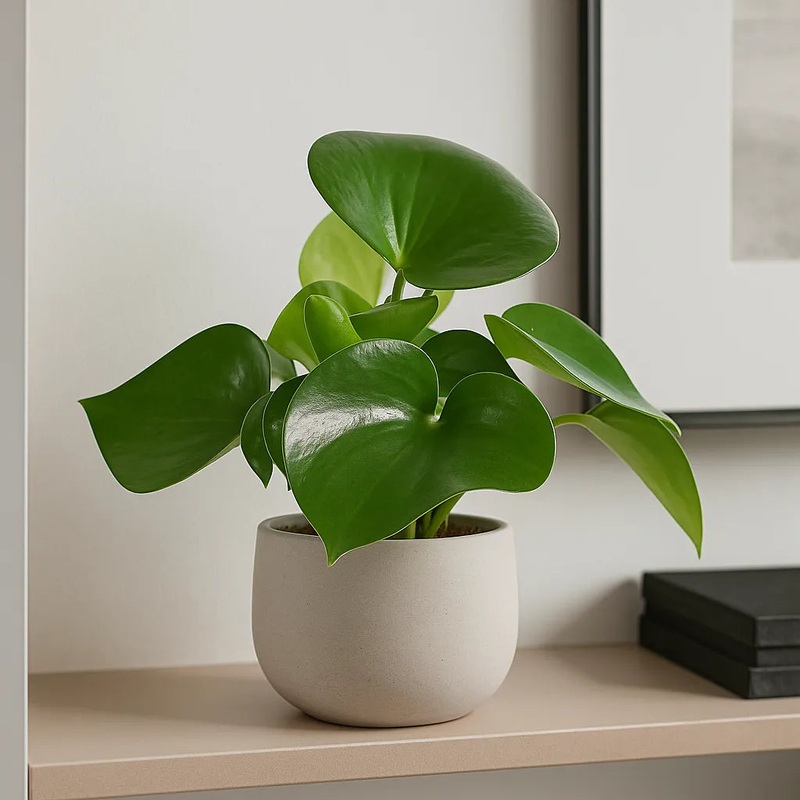
The small, ovate leaves are a rich, dark green with a smooth, shiny texture, forming a dense canopy that resembles a miniature tree. Compact, hardy, and highly decorative, Danielle is ideal for bringing a touch of sophistication and tranquillity to homes, conservatories, or offices.
With proper care, this Ficus variety can grow into a stunning, long-lived indoor tree offering natural beauty, structure, and air-purifying benefits in equal measure.
Thrives in bright, indirect light but will tolerate moderate light levels. Avoid direct sunlight, which may scorch the leaves, and deep shade, which can cause leaf drop. A bright, well-lit room is perfect.
Water when the top 35 cm of soil feels dry. Keep the soil evenly moist during the growing season (spring to autumn), but avoid overwatering. In winter, allow the topsoil to dry slightly more before watering again. Consistent care is key sudden changes in watering routine can lead to leaf loss.
Temperature: Prefers 1826C. Avoid draughts and sudden temperature fluctuations.
Humidity: Tolerates average household humidity but appreciates occasional misting to prevent leaf edges from drying.
Use a rich, free-draining, peat-free compost, ideally mixed with a little perlite or sand for aeration. Repot every 23 years in spring, or refresh the top layer of soil annually.
Feed every 46 weeks during spring and summer with a balanced liquid fertiliser. Stop feeding in winter when growth slows naturally.
Prune in spring or early summer to shape the canopy and encourage bushier growth. Remove any yellowing or damaged leaves at the base. Wipe the leaves regularly with a damp cloth to keep them dust-free and glossy. Rotate the pot occasionally to maintain even growth.
A moderate to fast-growing indoor tree, typically reaching 1.52 metres tall indoors. With regular pruning, it can be kept compact and shaped into a decorative small tree or bushy specimen.
Leaf drop: Common after relocation or sudden environmental change. The plant will stabilise once it adjusts.
Yellowing leaves: Overwatering or poor drainage.
Brown tips: Low humidity or irregular watering.
Pests: Occasionally spider mites, mealybugs, or scale insects.
Ficus benjamina has been a cornerstone of interior landscaping for decades, valued for its adaptability and elegance. The Danielle cultivar is prized for its richer green foliage and denser growth compared to other varieties.
As well as being visually striking, it is one of NASAs top-rated air-purifying plants, helping to remove toxins such as benzene and formaldehyde from indoor environments. Its tree-like structure brings a sense of calm and nature indoors, making it a perfect choice for both homes and professional spaces.
Quick Care Summary
Light: Bright, indirect; tolerates moderate light
Water: Lightly moist; allow topsoil to dry slightly
Temperature: 1826C; avoid cold draughts
Humidity: Average indoor; mist occasionally
Soil: Rich, free-draining compost
Feed: Every 46 weeks in spring/summer
Growth: Upright, tree-like form, 1.52 m; glossy deep green leaves and arching branches
Toxicity Note: Like all Ficus species, Danielle produces a milky latex sap that may irritate skin and is toxic if ingested. Keep away from pets and children.
Styling Tip:
Place Ficus Danielle in a decorative ceramic pot in a bright room to highlight its glossy, emerald-green leaves. It makes an excellent statement piece in living rooms, hallways, and offices, where its elegant canopy can be fully appreciated.