
$23.99
$29.99
50% OFF! Hot items selling fast—Grab them before they're gone!

 Unconditional Satisfaction GuaranteeNo Shipping Fees Above 302 Months to Decide. Returns Simplified.
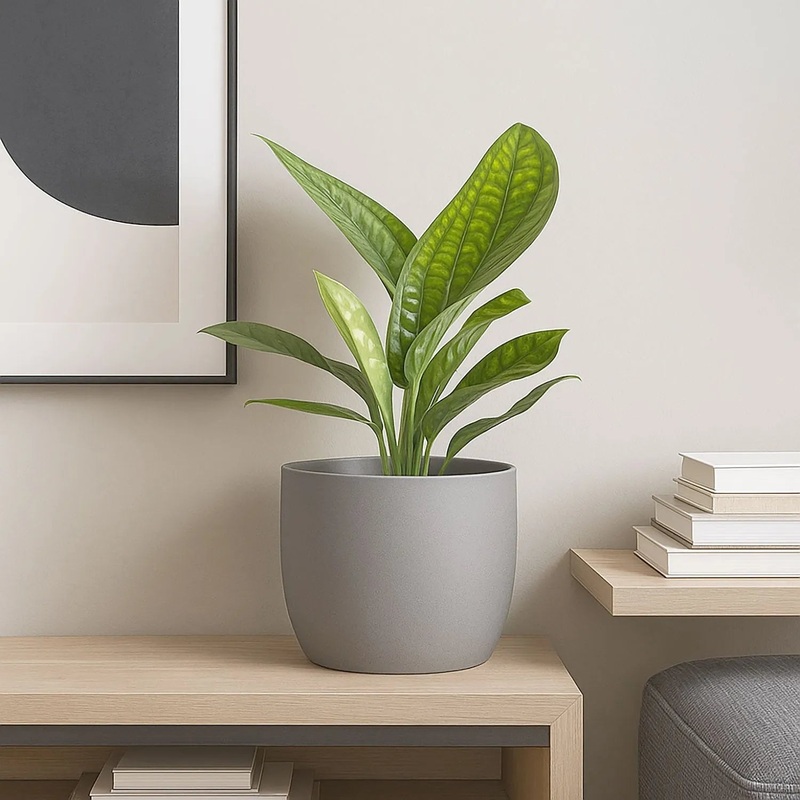
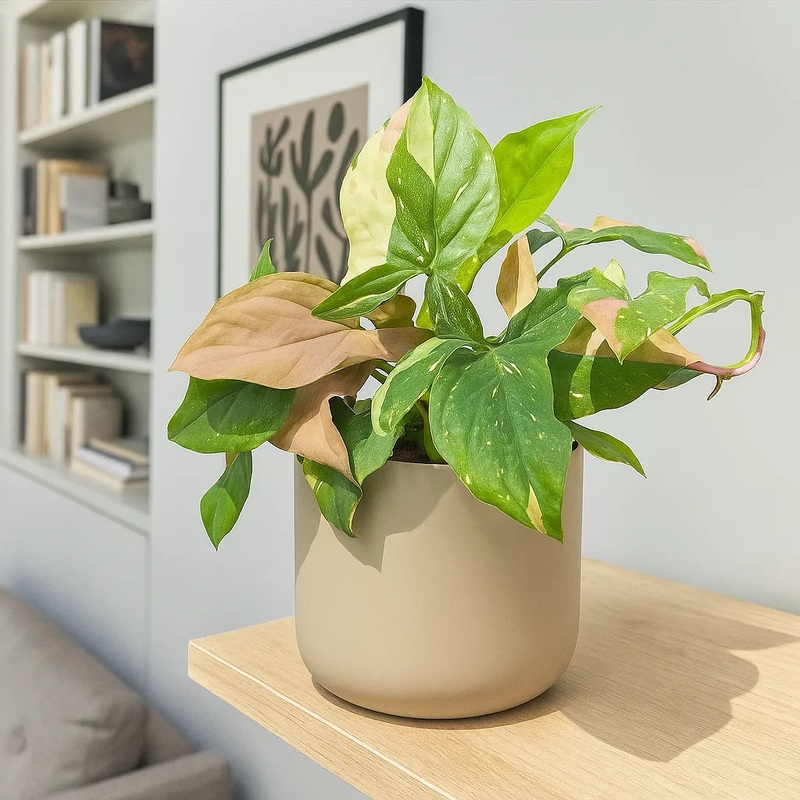
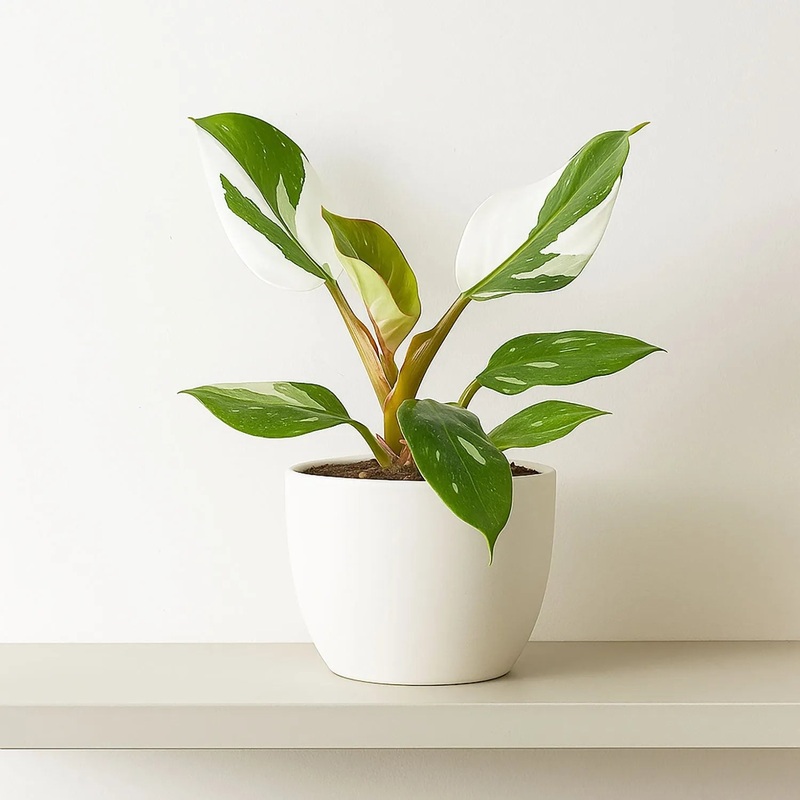
Philodendron Jose Buono is one of the most coveted collectors Philodendrons, celebrated for its stunning marbled variegation and large, paddle-shaped leaves. A hybrid member of the Araceae family, this tropical climbing plant is native to the rainforests of Central and South America and has become a favourite among aroid enthusiasts worldwide for its vibrant foliage and easy-going temperament.
The broad, leathery leaves feature irregular patches and splashes of creamy white, soft yellow, and green variegation, each leaf forming its own unique pattern. As it matures, the leaves can grow up to 6090 cm long and develop gentle lobes, creating a lush, tropical aesthetic. The marbling is stable yet varied, ranging from fine streaks to large creamy sectors, making every Jose Buono completely one-of-a-kind.
Elegant, bold, and resilient, this variety brings a refined statement of tropical luxury to any interior or greenhouse setting.
Thrives in bright, indirect light. Strong light enhances the white and cream variegation, while too little light may cause new leaves to appear greener. Avoid direct sunlight, which can scorch the pale portions of the leaves.
Water when the top 23 cm of soil feels dry. Keep the soil lightly moist during active growth but never soggy. Allow excess water to drain away completely. In winter, reduce watering slightly while maintaining gentle moisture.
Temperature: Prefers warmth, 2028C. Avoid cold draughts and temperatures below 16C.
Humidity: Enjoys moderate to high humidity (6080%). Mist occasionally or place near a humidifier to maintain lush growth and prevent leaf edges from browning.
Use a chunky, free-draining aroid mix peat-free compost blended with orchid bark, perlite, and coco coir. This ensures both moisture retention and aeration. Repot every 12 years in spring to refresh nutrients and allow space for root growth.
Feed every 46 weeks during spring and summer with a balanced liquid fertiliser, diluted to half strength. Avoid over-fertilising, especially as variegated plants have less chlorophyll and grow slightly slower.
Prune to control size or shape, and remove yellowing or damaged leaves to encourage new growth. Wipe leaves regularly with a damp cloth to remove dust and highlight their beautiful marbling. Train the plant up a moss pole or coir totem for larger leaves and a more upright, architectural appearance.
A moderate to fast-growing climber, reaching 1.52 metres indoors when supported. Mature leaves become large, thick, and paddle-like, showcasing even more impressive variegation.
Loss of variegation: Insufficient light.
Yellowing leaves: Overwatering or compacted soil.
Brown tips: Low humidity or inconsistent watering.
Pests: Occasionally thrips, mealybugs, or spider mites.
Philodendron Jose Buono is believed to be a hybrid of Philodendron domesticum and another climbing species, named after its original cultivator. It is highly prized for its stable variegation, vigorous growth, and collector appeal. Each new leaf emerges as a surprise marbled, streaked, or sectoral creating a living work of art.
Like other Philodendrons, Jose Buono is also an air-purifying plant, helping to filter toxins such as formaldehyde from the air while adding tropical tranquillity to your space.
Quick Care Summary
Light: Bright, indirect; avoid direct sun
Water: Lightly moist; allow topsoil to dry slightly
Temperature: 2028C; avoid below 16C
Humidity: Moderate to high (6080%)
Soil: Chunky, well-draining aroid mix
Feed: Every 46 weeks in spring/summer
Growth: Climbing tropical, 1.52 m; large, paddle-shaped leaves marbled in cream, white, and green
Toxicity Note: Like all Philodendrons, Jose Buono is toxic if ingested and may cause mild skin irritation. Keep out of reach of pets and children.
Styling Tip:
Showcase Philodendron Jose Buono in a bright room with filtered light to highlight its stunning variegation. Train it up a moss pole or let it climb freely for a bold tropical effect. It pairs beautifully with green species like Philodendron Florida Green or Epipremnum Baltic Blue for a layered, botanical display.