$15.99
$19.99
50% OFF! Hot items selling fast—Grab them before they're gone!

 Unconditional Satisfaction GuaranteeNo Shipping Fees Above 302 Months to Decide. Returns Simplified.
Rorippa nasturtium-aquaticum, commonly known as Watercress or Water Nasturtium, is a fast-growing perennial aquatic plant that belongs to the Brassicaceae family. It is native to Europe and Asia but is now widely cultivated and naturalized in many parts of the world. Here’s a detailed description and care guide for Rorippa nasturtium-aquaticum:
Description:
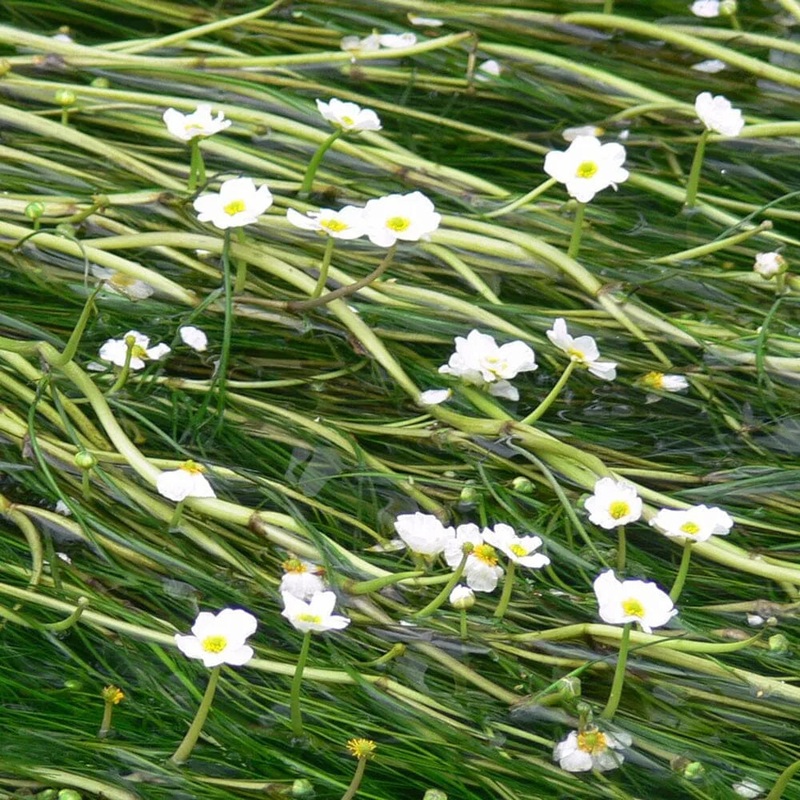
Rorippa nasturtium-aquaticum is a semi-aquatic plant that typically grows in shallow water or in damp soil near water bodies. It has creeping stems that can spread horizontally and form dense mats. The leaves are pinnately compound, with small oval leaflets that have a peppery taste similar to that of cress. The flowers are small, white, and four-petaled, arranged in loose clusters at the tips of the stems. They bloom in late spring to summer and may attract pollinators such as bees and butterflies.
Care Guide:
Lighting: Watercress thrives in full sun to partial shade. It prefers at least 4-6 hours of direct sunlight per day. If grown indoors, provide bright indirect light or fluorescent lighting.
Water: As its name suggests, Watercress requires abundant water to grow well. It prefers to be submerged in water with a depth of 2-3 inches (5-8 cm). If grown in a garden, make sure to keep the soil consistently moist. Regular watering is necessary to prevent drying out. If grown in containers, place them in a tray with water or use a hydroponic system.
Soil: Watercress prefers rich, loamy soil that is fertile and well-draining. It can tolerate a wide range of soil types, but it performs best in soil with high organic matter content. If grown in containers, use a potting mix that retains moisture well.
Temperature: Watercress is hardy in USDA hardiness zones 6-9. It prefers cool to moderate temperatures, ideally between 50-75F (10-24C). It can tolerate higher temperatures, but prolonged exposure to heat may cause the plant to bolt and reduce its overall vigor.
Maintenance: Regularly harvest the tender young leaves for culinary use to promote continuous growth. Avoid letting the plant flower and go to seed, as this may cause it to decline. If grown in water, monitor and control algae growth to prevent it from overpowering the watercress.
Propagation: Watercress can be propagated from seeds or stem cuttings. Seeds can be sown directly in the soil or started indoors and transplanted when the seedlings are sturdy enough. Stem cuttings can be taken from established plants and rooted in water before being transferred to soil.
Pests and Diseases: Watercress is generally resistant to most pests and diseases. However, watch out for slugs, snails, and aphids, which can occasionally infest the plant. Monitor the plant regularly and take appropriate measures if needed.
Watercress is best known for its culinary use, as its leaves and stems are edible and highly nutritious. It is often used in salads, sandwiches, and as a garnish for its peppery flavor. By following these care guidelines, you can successfully grow Watercress in suitable aquatic or moist garden settings. Adjust the care routine based on your specific growing conditions, and enjoy the fresh and tasty harvest from your own water garden.