$35.99
$44.99
50% OFF! Hot items selling fast—Grab them before they're gone!

 Unconditional Satisfaction GuaranteeNo Shipping Fees Above 302 Months to Decide. Returns Simplified.
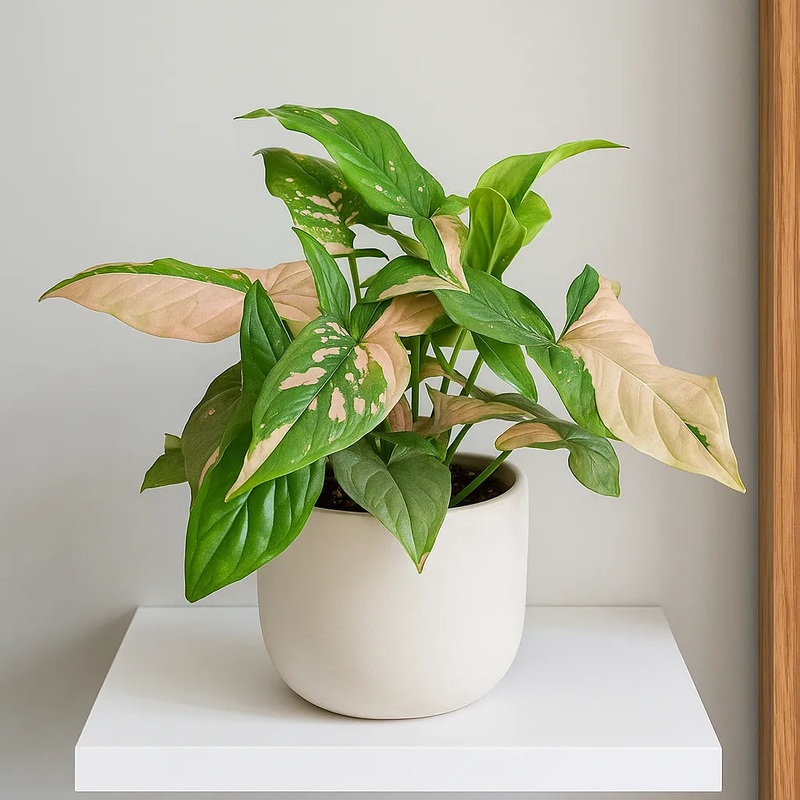
Spathiphyllum, known as the Peace Lily, is one of the most elegant and easy-going indoor plants, celebrated for its glossy green foliage and distinctive white blooms. Native to the tropical rainforests of Central and South America, this beautiful perennial from the Araceae family brings calm, air-purifying freshness to any indoor space.
The Peace Lilys flowers are actually white spathes modified leaves that surround a cream or yellow spadix creating its signature look of pure, understated beauty. The contrast between the lush, dark green leaves and crisp white blooms makes it a timeless favourite for homes, offices, and interior design projects.
Beyond its beauty, the Peace Lily is a top-rated air purifier, known to remove toxins such as benzene, formaldehyde, and carbon monoxide from indoor air. Its the perfect plant for adding both elegance and wellbeing to your living space.
Thrives in bright, indirect light, but also tolerates lower-light conditions better than most flowering plants. Too much direct sunlight may scorch the leaves, while too little light can reduce flowering.
Keep the soil evenly moist but not waterlogged. Water when the top 23 cm of soil feels dry, and allow excess water to drain away. Peace Lilies are good communicators theyll droop slightly when thirsty but recover quickly after watering. Use filtered or rainwater where possible, as they can be sensitive to fluoride in tap water.
Temperature: Prefers 1826C. Avoid cold draughts and temperatures below 15C.
Humidity: Enjoys moderate to high humidity (5070%). Mist occasionally or place near other tropical plants to increase moisture levels.
Use a rich, free-draining, peat-free compost mixed with perlite or orchid bark to promote airflow. Repot every 12 years in spring to refresh the soil and encourage strong growth.
Feed every 46 weeks during spring and summer with a diluted, balanced liquid fertiliser. Avoid overfeeding, as this can cause leaf tip browning.
Remove any yellowing or old leaves and cut back faded flower stalks at the base. Wipe leaves with a soft, damp cloth to keep them glossy and free from dust.
A moderately fast grower that typically reaches 4090 cm tall indoors. Mature plants may bloom several times per year under the right conditions.
Brown leaf tips: Low humidity, over-fertilising, or fluoride in tap water.
Yellowing leaves: Overwatering or poor drainage.
No flowers: Insufficient light or lack of feeding.
Pests: Occasionally spider mites, aphids, or mealybugs wipe leaves regularly to prevent infestations.
The Peace Lily has been a favourite since the Victorian era for its elegance, symbolism, and practicality. It represents peace, hope, and purity, and remains one of the most giftable houseplants today. In addition to its calming appearance, Spathiphyllum improves air quality and brings a sense of serenity to interiors.
Its lush foliage, easy-going nature, and resilience make it ideal for beginners and experts alike a plant that looks effortlessly beautiful all year round.
Quick Care Summary
Light: Bright, indirect; tolerates low light
Water: Keep soil lightly moist; avoid waterlogging
Temperature: 1826C; protect below 15C
Humidity: Moderate to high (5070%)
Soil: Rich, free-draining compost
Feed: Every 46 weeks in spring/summer
Growth: Upright plant, 4090 cm; glossy green leaves with elegant white spathes
Toxicity Note: Spathiphyllum is toxic if ingested due to calcium oxalate crystals. Keep out of reach of pets and children.
Styling Tip:
Display your Peace Lily in a decorative ceramic or textured pot in bright, filtered light to highlight its elegant white blooms. It pairs beautifully with darker tropicals such as Philodendron Brasil or Ficus elastica Tineke for a lush, balanced look.