$31.99
$39.99
50% OFF! Hot items selling fast—Grab them before they're gone!

 Unconditional Satisfaction GuaranteeNo Shipping Fees Above 302 Months to Decide. Returns Simplified.
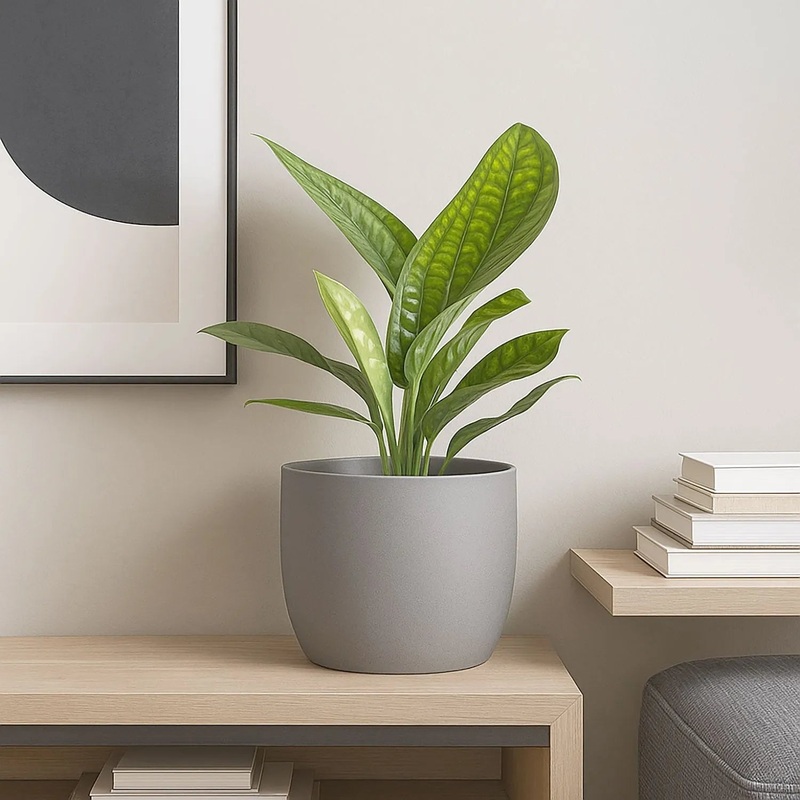
Polyscias balfouriana, commonly known as the Balfour Aralia, is a sophisticated tropical shrub from the Araliaceae family, native to the Pacific Islands. Prized for its compact growth and elegant, rounded foliage, this plant brings both structure and lush greenery to any indoor space.
The glossy, leathery leaves are typically circular or heart-shaped, resembling miniature dinner plates. They are a deep green with scalloped edges and often display subtle variegation or creamy margins, depending on the variety. The plants upright, woody stems give it a natural, bonsai-like form, making it ideal for tabletops or as a statement floor plant.
Graceful yet resilient, Polyscias balfouriana is perfect for adding a touch of tropical refinement to modern interiors, offering both beauty and easy maintenance.
Thrives in bright, indirect light, though it can tolerate partial shade. Variegated forms require brighter conditions to maintain their leaf patterns. Avoid harsh direct sunlight, which may scorch the foliage.
Keep the soil lightly moist, watering when the top 35 cm feels dry. Avoid overwatering, as this species is sensitive to root rot. During winter, water sparingly while ensuring the soil does not dry out completely.
Temperature: Prefers warmth, 1828C. Protect from cold draughts and temperatures below 15C.
Humidity: Enjoys moderate humidity (5070%). Mist occasionally or place near other tropical plants to maintain a healthy microclimate.
Use a well-draining, rich peat-free compost, ideally mixed with perlite or grit for improved drainage. Repot every 23 years in spring, using a slightly larger pot and refreshing the compost.
Feed every 46 weeks in spring and summer with a balanced, diluted liquid fertiliser to support lush foliage growth. Avoid feeding in winter.
Prune lightly to maintain shape and encourage branching. Remove any yellowing or damaged leaves. Wipe the leaves occasionally with a damp cloth to keep them clean and enhance their glossy appearance.
A moderate to slow grower, typically reaching 60120 cm indoors, though it can grow taller over time. With its upright habit and compact leaf clusters, it maintains a naturally tidy silhouette, ideal for smaller spaces.
Yellowing leaves: Overwatering or poor drainage.
Leaf drop: Low humidity, cold temperatures, or sudden environmental changes.
Brown leaf edges: Dry air or inconsistent watering.
Pests: Occasionally aphids, mealybugs, or scale insects.
Polyscias balfouriana is a native of the Pacific Islands and Southeast Asia, where it grows as a small understory tree. Its name Polyscias means many shades in Greek a reference to its lush, layered canopy.
Cultivated indoors, its valued for its elegant, sculptural form and air-purifying properties. Its compact growth habit and glossy, rounded foliage make it an excellent choice for both classic and contemporary interiors.
Quick Care Summary
Light: Bright, indirect; tolerates partial shade
Water: Lightly moist; allow topsoil to dry slightly
Temperature: 1828C; avoid below 15C
Humidity: Moderate (5070%)
Soil: Rich, well-draining compost
Feed: Every 46 weeks in spring/summer
Growth: Upright shrub, 60120 cm; circular deep green or variegated leaves on woody stems
Toxicity Note: Polyscias balfouriana is mildly toxic if ingested and may irritate skin. Keep away from pets and children.
Styling Tip:
Place Polyscias balfouriana in a decorative ceramic or stone-effect pot to highlight its elegant form. Its naturally upright shape pairs beautifully with ferns, palms, or trailing plants like Epipremnum aureum for a layered tropical display.