$75.00
$149.99
50% OFF! Hot items selling fast—Grab them before they're gone!

 Unconditional Satisfaction GuaranteeNo Shipping Fees Above 302 Months to Decide. Returns Simplified.
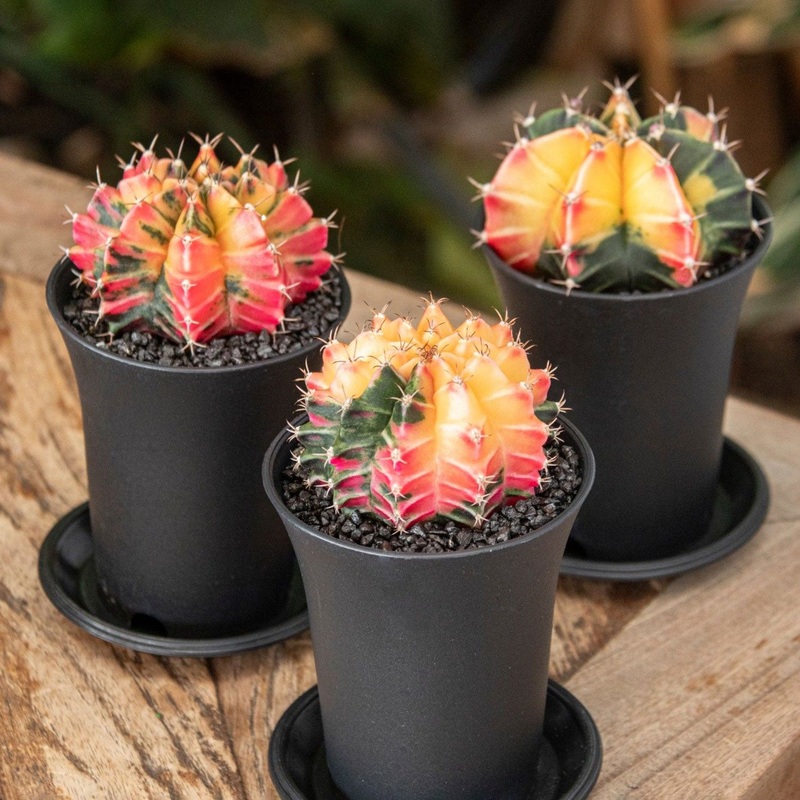
Gymnocalycium saglionis, commonly called the Giant Chin Cactus, is a slow-growing, globular cactus species native to Argentina. It belongs to the Cactaceae family and is admired for its sculptural form, dense spination, and ability to thrive in dry, sunny environments.
The plant typically forms a single rounded stem that can reach up to 30 cm in diameter with age. The surface is a deep, dull green to grey-green, divided into pronounced ribs lined with distinctive tubercles and long, recurved spines ranging from brown to golden in colour. Its striking symmetry gives it a bold, architectural presence making it an ideal specimen for cactus enthusiasts and collectors.
In spring and summer, Gymnocalycium saglionis produces beautiful funnel-shaped flowers, usually pale pink to white, emerging from the crown of the plant. The blooms contrast elegantly with its spiny body, creating a spectacular display.
Requires bright light to full sun. Indoors, position near a sunny south- or west-facing window. Outdoors (in summer), place in full sun with good airflow.
Water sparingly during the growing season (spring to early autumn), allowing the soil to dry completely between waterings. In winter, keep almost dry to prevent root rot. This cactus is highly drought-tolerant.
Temperature: Prefers warmth, 2030C in summer. In winter, it tolerates cooler, dry conditions down to 5C if kept completely dry.
Humidity: Thrives in low humidity; avoid excessively damp air.
Use a very free-draining, gritty cactus mix. A blend of coarse sand, pumice, and perlite or grit ensures excellent drainage. Repot every 23 years in spring, using a shallow pot to accommodate its shallow root system.
Feed monthly in spring and summer with a diluted cactus fertiliser. Do not fertilise in winter when the plant is dormant.
Minimal maintenance required. Remove spent flowers and inspect for pests occasionally. Handle carefully the long spines are sharp and strong.
A slow-growing species that forms a single large globe, up to 30 cm across and 20 cm tall. Over many years, mature specimens may develop a slightly columnar form.
Soft or rotting tissue: Overwatering or poor drainage.
Wrinkling: Indicates dehydration water lightly once the soil is completely dry.
Pests: Occasionally mealybugs or scale.
Gymnocalycium saglionis is one of the most iconic species in its genus. Known for its longevity and tolerance of neglect, its a must-have for cactus enthusiasts. Its striking form, dense spination, and showy pink flowers make it a standout feature in any succulent collection, rock garden, or sunny windowsill display.
Quick Care Summary
Light: Bright light to full sun
Water: Sparingly; let soil dry completely
Temperature: 2030C in summer; down to 5C if dry in winter
Humidity: Low; prefers dry air
Soil: Gritty, free-draining cactus compost
Feed: Monthly in spring/summer
Growth: Slow-growing globular cactus; deep green ribs with golden-brown spines and pale pink flowers