$32.76
$40.95
50% OFF! Hot items selling fast—Grab them before they're gone!

 Unconditional Satisfaction GuaranteeNo Shipping Fees Above 302 Months to Decide. Returns Simplified.
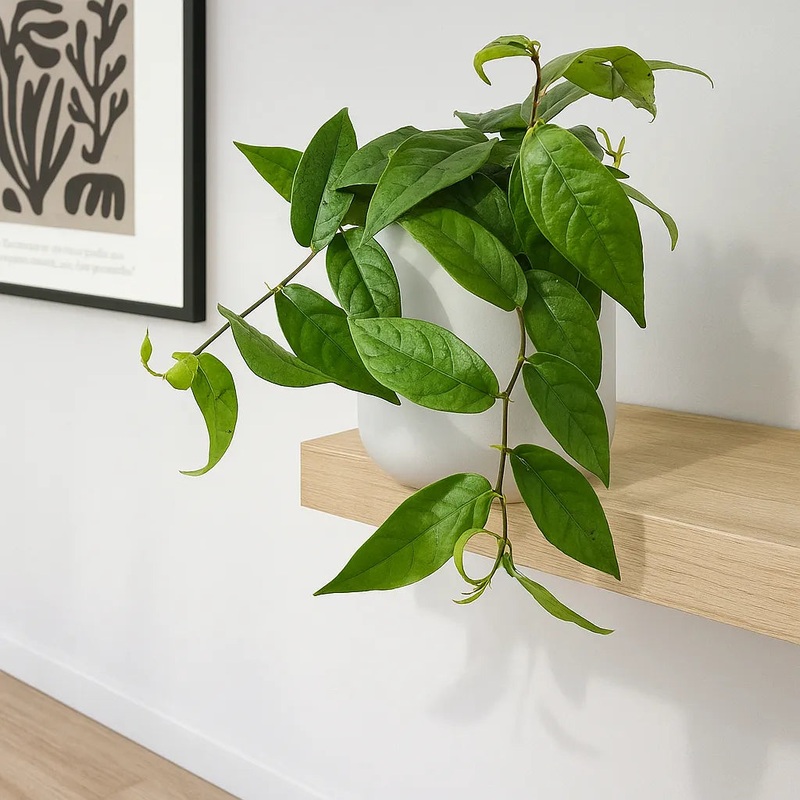
Schismatoglottis calyptrata is a lush and elegant tropical aroid admired for its broad, glossy leaves and compact, clumping growth habit. A close relative of Alocasia and Homalomena, this species originates from the humid rainforests of Southeast Asia, where it grows along riverbanks and on shaded forest floors.
Its heart-shaped leaves are a rich emerald green, smooth to the touch, and slightly quilted in texture. New leaves unfurl with a lighter, lime-green hue before deepening as they mature, giving the plant a layered, natural look. In ideal conditions, Schismatoglottis calyptrata can produce unusual pale green inflorescences subtle yet elegant, nestled among the foliage.
Compact, low-growing, and full of tropical charm, this plant makes an excellent choice for those seeking a lush, rainforest aesthetic in smaller spaces. Its equally suited to terrariums, tabletops, or shaded plant groupings where it brings a calm, green vibrancy.
Thrives in bright, indirect light or light dappled shade. It can tolerate moderate to low light but develops its richest colour in filtered light. Avoid strong direct sun, which may scorch the foliage.
Keep the soil consistently moist but not waterlogged. Water when the top 23 cm of soil feels slightly dry. In warm weather, this may mean watering more frequently, but always ensure good drainage. Reduce watering in winter when growth slows.
Temperature: Prefers 2028C; avoid exposure below 16C.
Humidity: Enjoys high humidity (6080%). Mist regularly, use a humidifier, or grow alongside other tropical plants to maintain a humid environment.
Use a moisture-retentive but free-draining aroid mix equal parts compost, perlite, and coco coir with a handful of orchid bark for aeration. Repot every 12 years in spring to refresh the soil and accommodate growth. The root system prefers a snug pot but should never sit in water.
Feed every 46 weeks during spring and summer with a diluted, balanced liquid fertiliser formulated for foliage plants. Avoid over-feeding, which may cause leaf burn. Stop fertilising during the cooler months.
Remove any yellow or older leaves close to the base to maintain a neat, full appearance. Wipe the leaves occasionally with a damp cloth to remove dust and enhance their natural gloss. Regular pruning of old stems will encourage new shoots from the base.
A moderate grower, typically reaching 3050 cm in height and width indoors. Over time, it forms a dense cluster of overlapping leaves, creating a lush, ground-covering effect. Mature plants may bloom sporadically with small, pale green spathes, adding subtle ornamental interest.
Yellowing leaves: Overwatering or poor drainage.
Brown tips: Low humidity or exposure to cold.
Drooping leaves: Inconsistent watering or low temperatures.
Pests: Occasionally mealybugs or spider mites; treat promptly with neem oil or insecticidal soap.
Schismatoglottis calyptrata is native to the tropical rainforests of Borneo, Sumatra, and the Philippines, where it thrives in shaded, damp environments. Its ease of care and tolerance for lower light have made it a rising star among indoor aroid collectors.
While visually reminiscent of Alocasia or Homalomena, its generally more compact and forgiving, thriving in moderate indoor conditions while maintaining a lush, tropical look. Beyond its aesthetic appeal, S. calyptrata also contributes to air purification, improving indoor air quality while creating a calming, green ambience.
Light: Bright, indirect or dappled shade
Water: Keep soil evenly moist; never waterlogged
Temperature: 2028C; avoid below 16C
Humidity: High (6080%)
Soil: Moisture-retentive, airy mix compost, perlite, bark, coir
Feed: Every 46 weeks in spring/summer
Growth: Compact clumping habit, 3050 cm; glossy, heart-shaped green leaves
Toxicity note: Contains calcium oxalate crystals and is toxic if ingested. Keep out of reach of pets and children.
Display Schismatoglottis calyptrata in a decorative ceramic or terracotta pot to complement its glossy green foliage. It pairs beautifully with textural plants like Asplenium nidus (Birds Nest Fern) or Calathea orbifolia for a lush, layered rainforest effect. Perfect for shaded interiors or bathrooms, it brings soft tropical vibrancy and effortless elegance to any space.