$35.99
$44.99
50% OFF! Hot items selling fast—Grab them before they're gone!

 Unconditional Satisfaction GuaranteeNo Shipping Fees Above 302 Months to Decide. Returns Simplified.
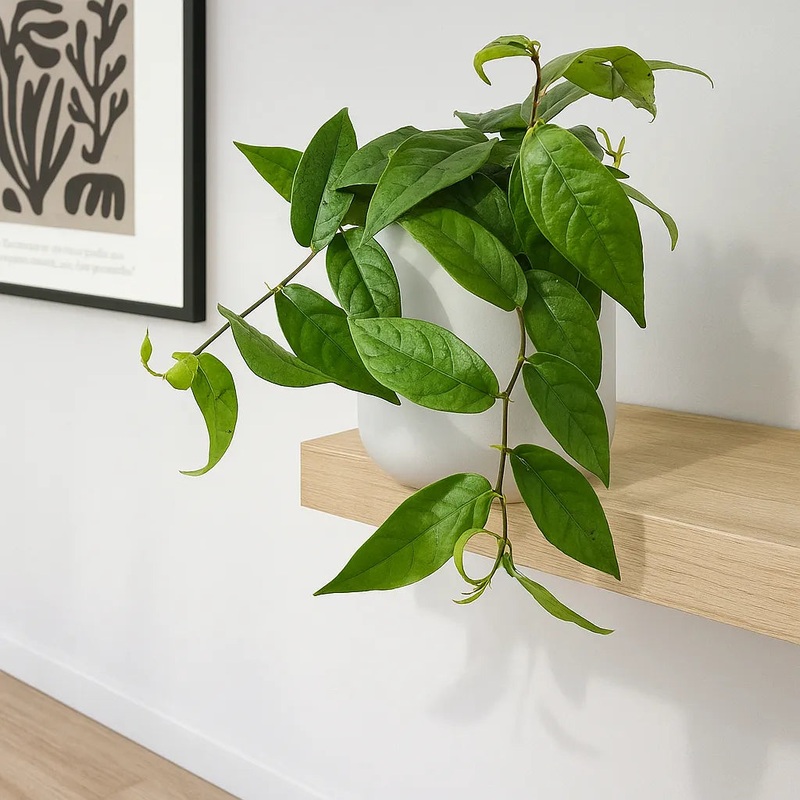
Cercestis mirabilis, also known as the African Arrowhead Plant, is a rare and visually striking climbing aroid native to the tropical rainforests of Central and West Africa. A member of the Araceae family, this exotic species is admired for its bold, silver-veined foliage and elegant vining growth habit.
Each arrow-shaped leaf features a deep emerald-green base beautifully overlaid with a metallic silver pattern, creating an almost mirror-like contrast. The leaves are thick, glossy, and slightly leathery, supported by slender climbing stems that can be trained to grow up a moss pole or allowed to trail freely. Juvenile plants display smaller, heart-shaped leaves, while mature specimens produce larger, more deeply lobed foliage.
Refined, tropical, and truly unique, Cercestis mirabilis is a collectors dream combining intricate leaf patterning with the resilience typical of African aroids.
Thrives in bright, indirect light. Too much direct sun can scorch the leaves, while too little light may reduce variegation and slow growth. Position near an east- or north-facing window with filtered daylight for best results.
Keep the soil lightly moist but never waterlogged. Water when the top 23 cm of soil feels dry to the touch. Overwatering can lead to root rot, while allowing the soil to dry too much may cause wilting. Reduce watering slightly during cooler months.
Temperature: Prefers warmth between 1828 C. Avoid cold drafts or temperatures below 15 C.
Humidity: High humidity (6080%) is essential for maintaining lush, glossy foliage. Mist regularly, use a humidifier, or group with other tropical plants to create a microclimate.
Use a rich, airy, and well-draining aroid mix compost combined with perlite, orchid bark, and coco coir creates the perfect structure. This allows both moisture retention and excellent airflow to the roots. Repot every 12 years in spring to refresh the substrate and promote healthy growth.
Feed every 46 weeks during spring and summer with a diluted, balanced liquid fertiliser. Avoid over-fertilising, which can lead to salt build-up and leaf edge burn. Suspend feeding in autumn and winter when growth slows.
Trim leggy vines to encourage fuller growth and maintain a tidy shape. Wipe leaves gently with a soft, damp cloth to remove dust and reveal the plants metallic sheen. Rotate regularly to ensure even growth and balanced light exposure.
A moderately fast-growing climber, Cercestis mirabilis can reach up to 1.52 metres indoors with support. Its arrow-shaped leaves gradually increase in size and complexity as it matures. Given a moss pole or trellis, it will climb gracefully, displaying its stunning venation to full effect.
Yellow leaves: Overwatering or poor drainage.
Brown tips: Low humidity or inconsistent watering.
Faded variegation: Insufficient light.
Pests: Occasionally affected by thrips or spider mites treat with neem oil and maintain high humidity.
Native to tropical regions of Central and West Africa, Cercestis mirabilis grows in the shaded understory of rainforests, climbing trees to reach filtered light. Its silver variegation helps it reflect light in low-light environments a functional adaptation that also contributes to its beauty.
This plants durability and visual appeal make it a standout among rare aroids. While not a traditional air purifier, its large, glossy leaves contribute to cleaner indoor air and a calming tropical ambience.
Light: Bright, indirect light; avoid direct sun
Water: Keep soil evenly moist; allow top few cm to dry
Temperature: 1828 C; avoid below 15 C
Humidity: High (6080%)
Soil: Aroid mix compost, perlite, bark, coco coir
Feed: Every 46 weeks in spring/summer
Growth: 1.52 m climbing vine; green leaves with metallic silver veins
Toxicity note: Toxic to pets and humans if ingested; may cause mild irritation to mouth and skin.
Display Cercestis mirabilis in a bright spot where its silver veining can catch the light ideal for living rooms, offices, or conservatories. Train it up a moss pole for a structured, vertical display, or let it trail naturally for a softer, cascading effect. Pair with dark-leaved species such as Philodendron Black Cardinal or Zamioculcas Raven to emphasise its shimmering silver tones. This rare African aroid brings elegance, texture, and a touch of tropical mystery to any modern plant collection.