$27.99
$34.99
50% OFF! Hot items selling fast—Grab them before they're gone!

 Unconditional Satisfaction GuaranteeNo Shipping Fees Above 302 Months to Decide. Returns Simplified.
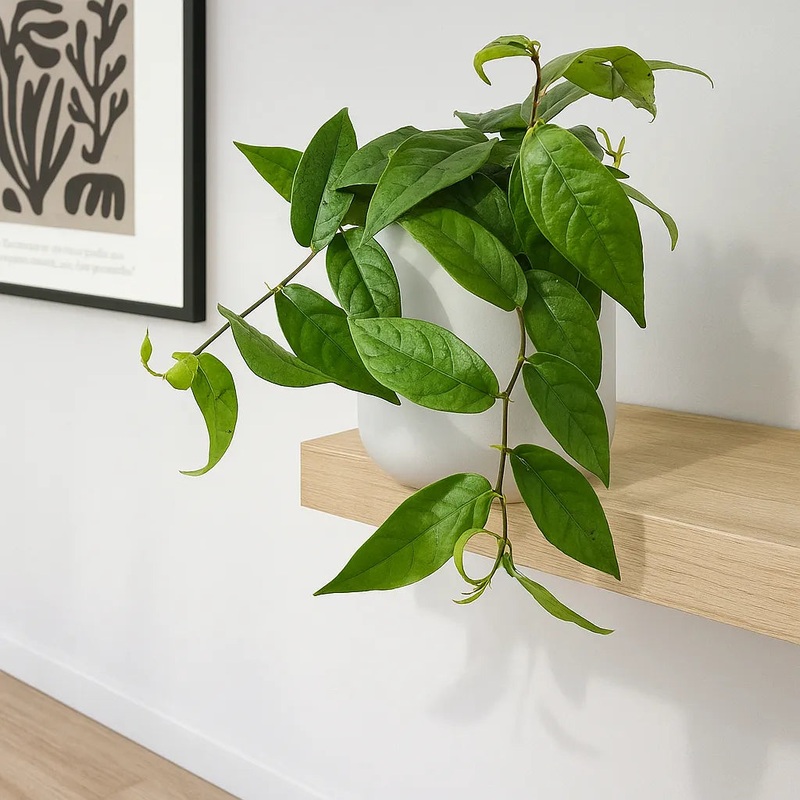
Anthurium chamberlainii is a striking tropical aroid coveted among collectors for its bold foliage, expressive texture, and compact growth habit. As a member of the Araceae family, it originates from Central and South America, where it thrives in humid understory environments.
Its leaves are elongated, lanceolate to ovate, with a glossy, deep green surface and strong, pronounced veins that give each leaf a sculptural, elegant appearance. The foliage can develop a subtly puckered or quilted texture, especially as the plant matures, enhancing its three-dimensional beauty. Though primarily grown for foliage, under ideal conditions it may produce typical Anthurium spathes and spadices, adding gentle floral interest to its lush greenery.
Compact yet bold, Anthurium chamberlainii offers a refined, statement presence in tropical plant collections perfect for interiors where texture, depth, and elegance matter.
Provide bright, indirect light for optimal growth. Avoid intense direct sunlight, which can scorch the foliage, and low light conditions, which may reduce leaf size and vigor.
Keep the soil consistently moist but never soggy. Water when the top ~23 cm of soil feels just slightly dry. Use filtered or rainwater if possible to prevent mineral buildup. Ensure excellent drainage so that the plant doesnt sit in water.
Temperature: Prefers between 18 C and 28 C, with protection from temperatures below ~15 C.
Humidity: High humidity (60 % or more) is ideal. Use a humidifier, pebble tray, or grouping with other tropical plants to maintain moisture in the air.
Use a well-aerated aroid mix, combining components like orchid bark, perlite, coco coir, and rich compost. This allows root breathability while retaining gentle moisture. Repot every 12 years, ideally in spring, to refresh the growing medium.
Feed every 46 weeks during the active growing months (spring and summer) with a balanced, diluted fertiliser. Avoid over-fertilising, which can damage roots or cause foliar burn. Suspend feeding in autumn and winter when growth slows.
Remove any yellow or damaged leaves at the base to keep the plant looking tidy and to encourage new growth. Wipe leaves gently with a damp cloth to keep surfaces clean and maximize photosynthesis. Rotate the plant occasionally for balanced light exposure.
Anthurium chamberlainii is moderate in growth and typically remains compact under indoor conditions. Mature plants display full, richly textured foliage that commands visual focus. In excellent conditions, leaf size and texture deepen, making the plant a striking feature in any collection.
Yellowing leaves: Overwatering or poor drainage.
Brown edges: Low humidity, inconsistent watering, or mineral salts.
Pale leaves or stunted growth: Insufficient light or nutrient supply.
Pests: Spider mites, thrips, or scale may occur treat promptly with neem oil or insecticidal soap.
Anthurium chamberlainii is named in honour of a botanist (likely Chamberlain) and represents one of the many ornamental Anthurium species valued for their foliage rather than their flowers. In its native habitat tropical forest understories it grows under filtered light and high humidity, traits mirrored in its ideal care regime.
Its textured, glossy leaves contribute to interior ambiance and lushness. Like other Anthuriums, it also helps filter indoor air, adding both aesthetic and environmental value to spaces.
Light: Bright, indirect light; avoid harsh sun
Water: Keep soil moist; allow top few cm to dry slightly
Temperature: 1828 C; avoid below ~15 C
Humidity: High ( 60 %)
Soil: Aroid mixbark, perlite, coco coir, compost
Feed: Every 46 weeks in spring/summer
Growth: Moderately compact; glossy lanceolate leaves with strong venation
Toxicity note: Toxic if ingested contains calcium oxalate crystals. Keep away from pets and children.
Display Anthurium chamberlainii in a mid-height decorative pot or pedestal where its leaf texture and form can be easily admired. Use subdued or matte planters to allow the foliage to stand out, and place it near humidity sources (bathroom, kitchen, terrarium). It pairs beautifully with softer-leaved plants like Calathea orbifolia or Philodendron Birkin, offering a contrast of textures and tones. In collections, arrange it in a focal spot so its sculptural leaves draw the eye a refined and sophisticated addition to any tropical plant display.