$32.76
$40.95
50% OFF! Hot items selling fast—Grab them before they're gone!

 Unconditional Satisfaction GuaranteeNo Shipping Fees Above 302 Months to Decide. Returns Simplified.
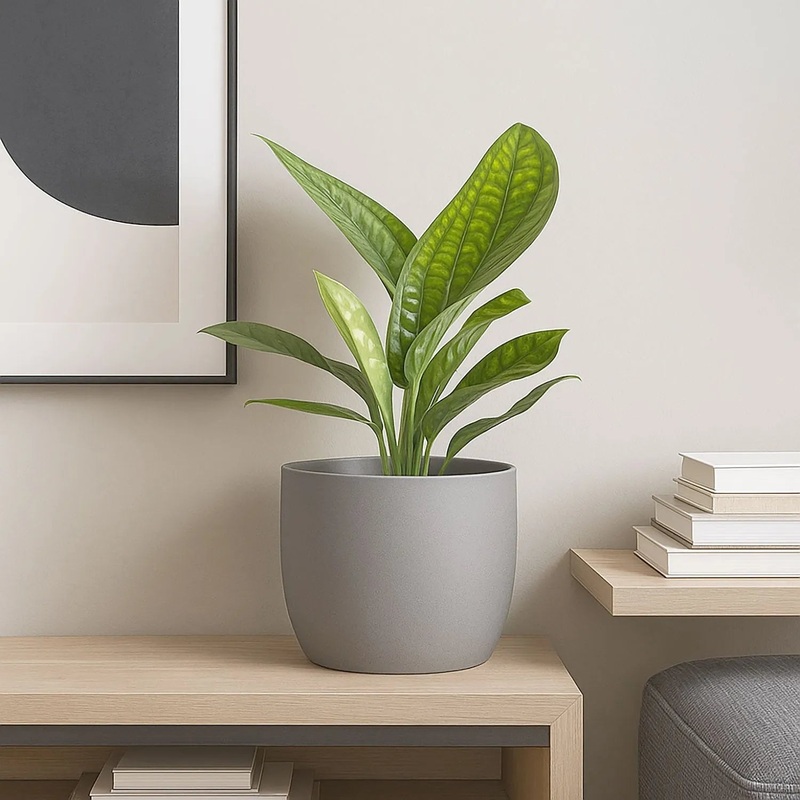
Alocasia Nebula Imperialis is a stunning plant renowned for its large, beautiful leaves and unique color patterns. Its foliage showcases an array of vibrant shades, including deep green, silver, and purple, making it an excellent choice for adding a touch of tropical beauty to any indoor space. To ensure the health and vitality of your Alocasia Nebula Imperialis, follow this comprehensive care guide:
1. Lighting: Alocasia Nebula Imperialis thrives in bright, indirect light. Place it near a window with filtered sunlight or in a well-lit spot indoors. Avoid exposing it to direct sunlight, as this can scorch its leaves. If your plant receives insufficient light, its growth may become stunted, and the colors may fade.
2. Temperature: This plant prefers warm temperatures between 65?F and 85?F (18?C to 29?C). Avoid placing it in areas with cold drafts or near air conditioning vents, as sudden temperature fluctuations can stress the plant.
3. Humidity: Alocasia Nebula Imperialis thrives in high humidity environments. To provide adequate humidity, you can place a tray filled with water and pebbles beneath the pot or use a humidifier. Alternatively, mist the leaves regularly to mimic the conditions of its natural habitat.
4. Watering: Keep the soil consistently moist but not waterlogged. Allow the top inch of soil to dry out slightly before watering again. Alocasia Nebula Imperialis enjoys a thorough watering, ensuring the water reaches the roots. However, it is important to avoid waterlogging, as it can lead to root rot. Always check the moisture level of the soil before watering to prevent over or under-watering.
5. Soil: Use a well-draining potting mix that retains moisture without becoming waterlogged. A mix consisting of peat moss, perlite, and orchid bark is ideal for Alocasia Nebula Imperialis. Additionally, you can add organic matter such as compost or coco coir to enhance nutrient retention.
6. Fertilizer: Feed your Alocasia Nebula Imperialis during the growing season, from spring to summer. Use a balanced, water-soluble fertilizer diluted to half its recommended strength every two to four weeks. Avoid fertilizing during the winter months when the plant is in a dormant phase.
7. Pruning: Remove yellow or dying leaves promptly to maintain the plant’s aesthetics and overall health. Snip them off at the base using clean, sharp scissors or pruning shears. Additionally, you can trim back any leggy stems to encourage bushier growth.
8. Repotting: Alocasia Nebula Imperialis prefers slightly tight living conditions, so repotting is not often required. However, if your plant has outgrown its pot, you can repot it in the spring, using a slightly larger container with fresh potting mix. Be careful not to damage the roots during the process.
9. Pests: Keep an eye out for common houseplant pests like spider mites, aphids, and mealybugs. Regularly inspect the plant’s foliage, particularly the undersides of leaves, for signs of infestation. If any pests are present, treat them with an appropriate insecticide or use natural remedies such as neem oil or insecticidal soap.
10. Propagation: Alocasia Nebula Imperialis can be propagated through division or stem cuttings. When dividing the plant, ensure each division has a healthy root system. For stem cuttings, select a healthy stem with at least one node and place it in a container with water or a well-draining potting mix until roots develop.
By following these care guidelines, you can enjoy the beauty of Alocasia Nebula Imperialis as it thrives in your indoor space. Remember to observe your plant regularly, adjusting care routines as needed to ensure its long-term health and vibrancy.