$75.00
$149.99
50% OFF! Hot items selling fast—Grab them before they're gone!

 Unconditional Satisfaction GuaranteeNo Shipping Fees Above 302 Months to Decide. Returns Simplified.
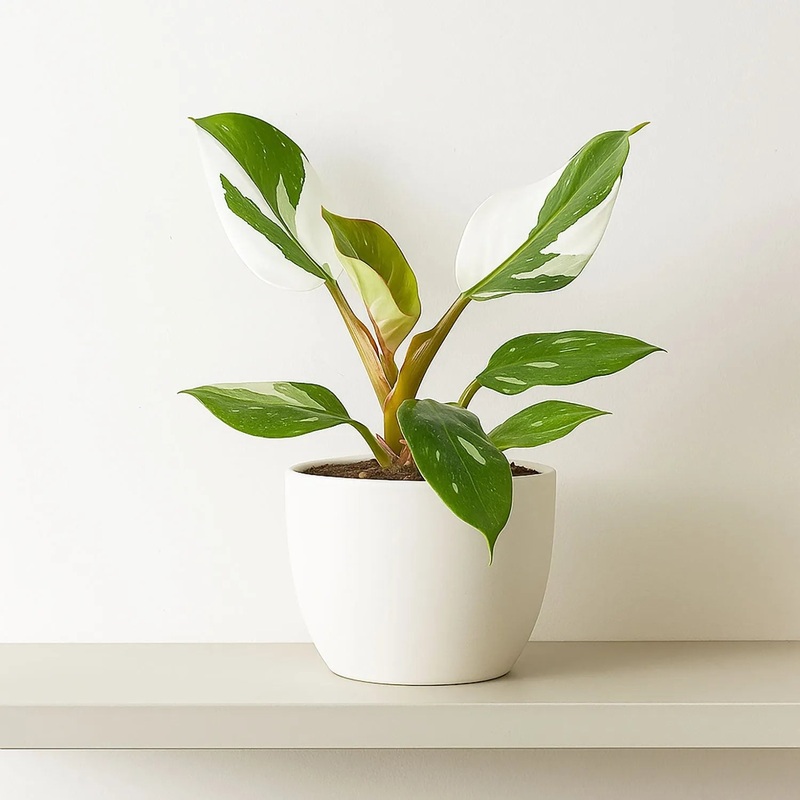
Philodendron plowmanii, also known as the Plowman’s is a popular houseplant known for its stunning foliage and easy care requirements. Native to the tropical rainforests of South America, this plant belongs to the Araceae family and is characterized by its long, lance-shaped leaves with unique silver-gray markings.
Description:
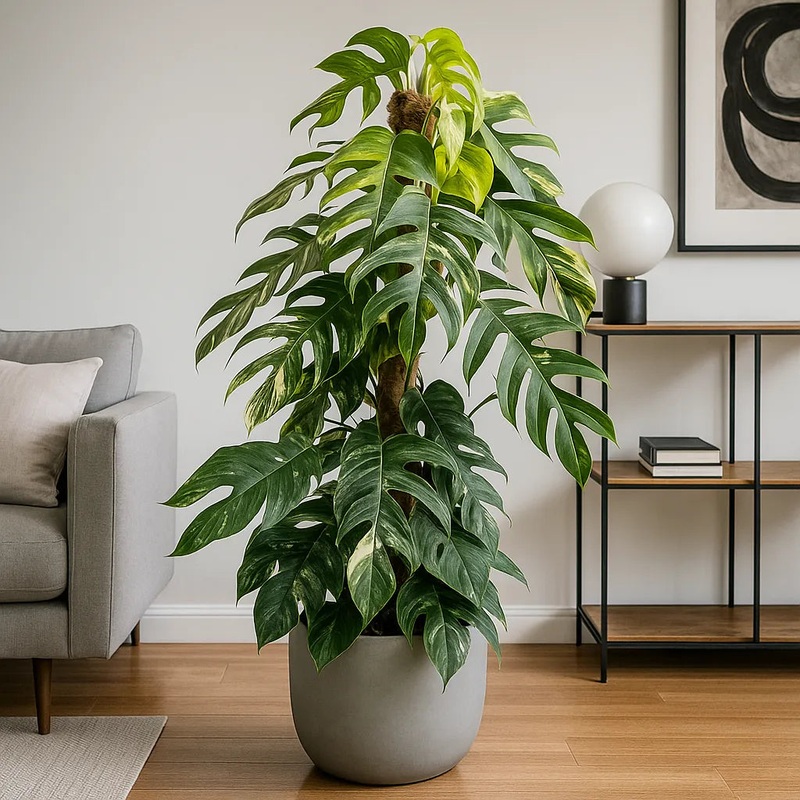
Philodendron plowmanii is a climbing plant that can grow up to 6 feet (1.8 meters) in height, with the leaves extending outwards in a bushy manner. The leaves are typically 8-10 inches (20-25 cm) long and 4-5 inches (10-12 cm) wide. The upper surface of the leaves is a deep green color, while the lower surface has a silvery sheen, giving it a striking appearance. As the plant matures, it develops a more bushy growth habit and produces aerial roots that can be trained to climb up a support or trellis.
Care Guide:
1. Light Requirements: Philodendron plowmanii thrives in bright, indirect light. Place it near a window where it receives filtered sunlight or in a well-lit room. Avoid direct sunlight as it can scorch the leaves.
2. Temperature: This plant prefers warm temperatures between 65-85?F (18-29?C). It can tolerate slightly cooler temperatures, but avoid exposing it to drafts or sudden temperature changes.
3. Watering: Water the plant thoroughly when the top inch (2.5 cm) of the soil feels dry. Ensure proper drainage to prevent waterlogging, as excess moisture can lead to root rot. Allow the soil to dry out slightly between waterings. It is better to underwater than overwater this plant.
4. Humidity: Philodendron plowmanii appreciates high humidity levels. To increase humidity, mist the leaves regularly or place the plant on a tray filled with pebbles and water. Grouping plants together can also create a microclimate with higher humidity.
5. Soil: Use a well-draining potting mix that retains some moisture but doesn’t become soggy. A mixture of peat moss, perlite, and orchid bark or coco coir works well. Avoid using heavy soils that can retain too much water.
6. Fertilizer: Feed the plant with a balanced liquid fertilizer once a month during the growing season (spring to summer). Dilute the fertilizer to half the recommended strength to prevent fertilizer burn. Suspend fertilization during the winter months when growth slows down.
7. Pruning: Regular pruning helps maintain the shape and size of the plant. Remove any yellow or damaged leaves, as well as any leggy growth. Pruning can also be done to control the plant’s size or to propagate new plants from stem cuttings.
8. Propagation: Philodendron plowmanii can be propagated through stem cuttings. Cut a section of healthy stem with at least one node and place it in a container with moist soil or water. Keep it in a warm and humid environment until roots develop. Once rooted, transfer it to a pot with well-draining soil.
9. Pests and Diseases: This plant is generally resistant to pests, but occasionally it can attract mealybugs, spider mites, or aphids. Regularly inspect the leaves for any signs of infestation and treat them with insecticidal soap or neem oil if necessary. Avoid overwatering to prevent root rot.
10. Support: As Philodendron plowmanii grows, it benefits from a support structure such as a moss pole or trellis. The aerial roots naturally cling to the support, helping the plant climb and develop its characteristic appearance.
By following these care guidelines, you can enjoy the beauty of Philodendron plowmanii as an indoor plant, adding a touch of elegance and tropical vibes to your living space.