$13.59
$16.99
50% OFF! Hot items selling fast—Grab them before they're gone!

 Unconditional Satisfaction GuaranteeNo Shipping Fees Above 302 Months to Decide. Returns Simplified.
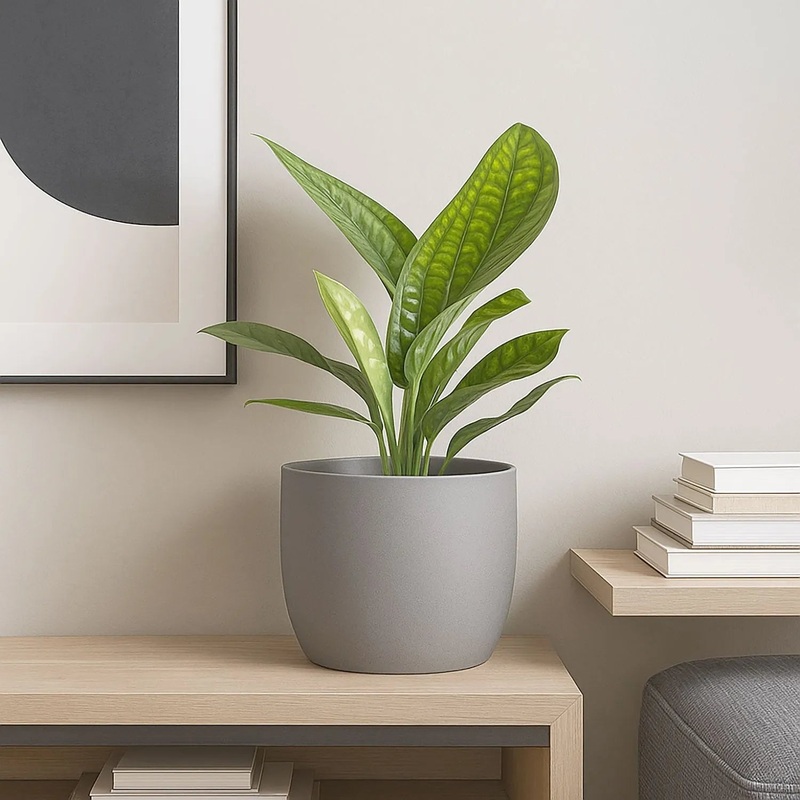
Dracaena fragrans ‘Anita’, often referred to as Dracaena Anita or Anita Dragon Tree, is a graceful, elegant cultivar of the Dracaena fragrans species, prized for its soft, arching foliage and lush, tree-like form. Unlike other Dracaena varieties with stiff or spiky leaves, Anita features long, narrow, deep green leaves that grow in a rosette formation and drape gently from slim, cane-like stems, giving the plant a weeping, almost bamboo-like appearance. It grows upright with multiple slender trunks and tufts of foliage at different heights, creating a layered, fountain-like effect. Native to tropical Africa, this plant is a favourite for indoor spaces due to its neat, airy structure, tolerance for low light, and air-purifying properties. Dracaena Anita offers a softer aesthetic than many other Dracaenas, making it ideal for modern interiors, offices, or anywhere a subtle, leafy presence is desired. With minimal care needs and excellent adaptability, its a brilliant choice for novice plant owners and seasoned collectors alike.
Indoors: Thrives in bright, indirect light but tolerates lower light levels well.
Too much light: Direct midday sun can scorch the leaves.
Too little light: Causes slower growth and may result in thinner foliage over time.
Ideal temperature: 1825C (6577F)
Minimum: Keep above 12C (54F); avoid exposure to cold draughts.
Humidity: Prefers moderate humidity. Will tolerate average indoor conditions but appreciates occasional misting or a humidity tray in drier environments.
Watering routine: Allow the top 25 cm of soil to dry between waterings.
Tip: Water less frequently in winter; always use pots with good drainage.
Water quality: Sensitive to fluoride use filtered, distilled, or rainwater if possible to avoid leaf tip burn.
Soil type: Light, well-draining potting mix. A mix of standard houseplant compost with added perlite is ideal.
pH preference: Slightly acidic to neutral (6.07.0)
Repotting: Every 23 years, or when the plant becomes rootbound. Best done in spring.
Growing season (springsummer): Feed monthly with a balanced, water-soluble houseplant fertiliser.
Dormant season (autumnwinter): Fertiliser can be reduced or stopped.
Pruning: Trim back leggy or sparse stems to promote bushier growth. Pruning encourages new shoots below the cut.
Leaf care: Remove any yellow or brown leaves and wipe foliage with a damp cloth to remove dust and maintain sheen.
Growth habit tip: Can be pruned to create a multi-stemmed shape, or left to grow into a tall, tree-like form.
Stem cuttings: Use healthy cane sections and root them in water or moist compost.
Air layering: Works well for older, established plants.
Note: Patience is key rooting can take several weeks.
Pests: Watch for spider mites, mealybugs, and scale insects.
Symptoms: Discoloured leaves, webbing, or sticky residue may indicate pests.
Treatment: Remove pests manually or treat with insecticidal soap or neem oil.
Common issues:
Leaf tips turning brown: Often due to dry air or poor water quality
Yellowing leaves: Typically a sign of overwatering or inconsistent care
Toxicity: Mildly toxic to cats and dogs if ingested; can cause vomiting, drooling, or appetite loss.
Pet-friendly tip: Keep out of reach of curious pets who may nibble on leaves.
Excellent choice for softening interior spaces with its flowing, leafy form.
Suitable for offices, living rooms, bedrooms, and hallways.
Effective at removing toxins such as formaldehyde and benzene from indoor air.
Adapts well to a variety of light conditions, making it ideal for almost any room.
Works beautifully in minimalist, contemporary, or nature-inspired interior schemes.