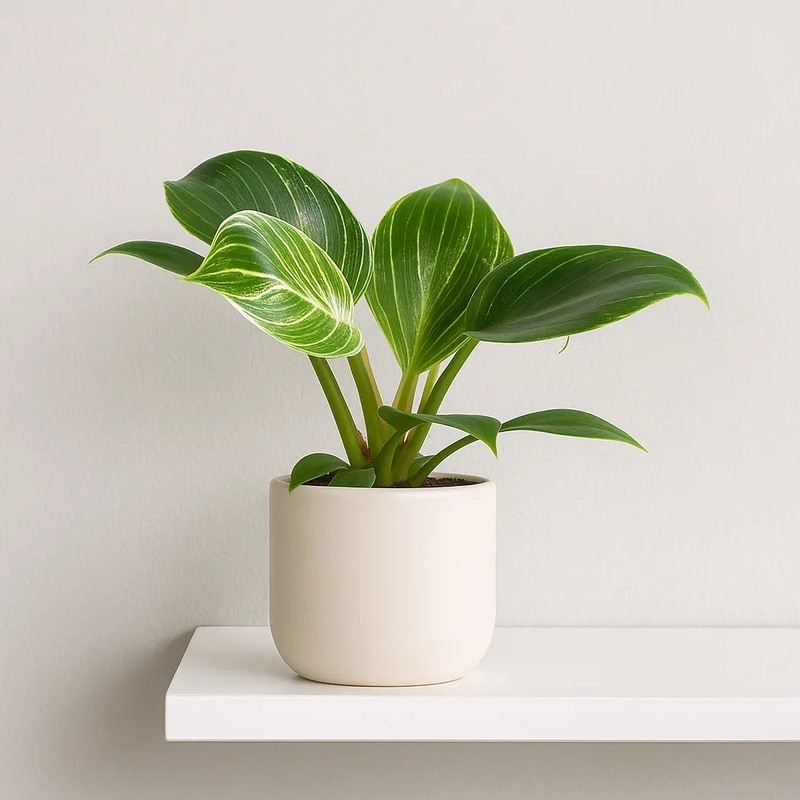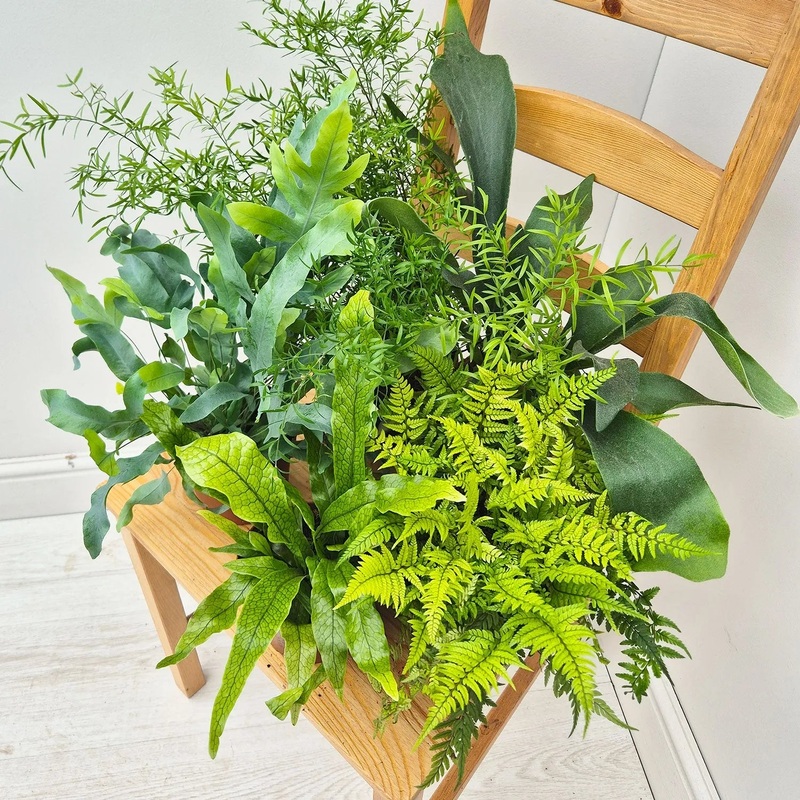
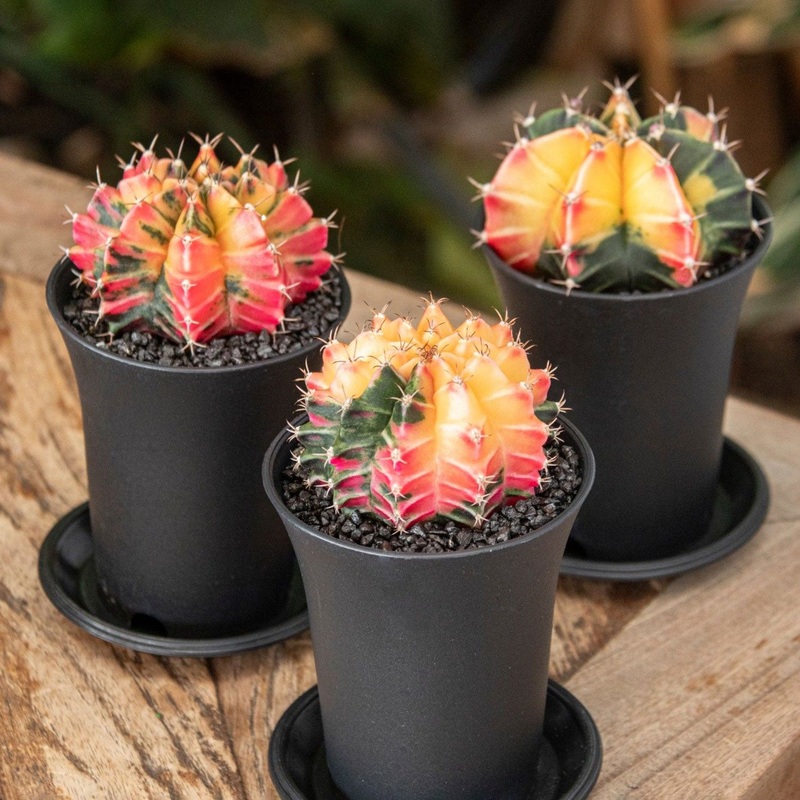
$35.99
$44.99
50% OFF! Hot items selling fast—Grab them before they're gone!

 Unconditional Satisfaction GuaranteeNo Shipping Fees Above 302 Months to Decide. Returns Simplified.
Epipremnum aureum, widely known as Golden Pothos or Devils Ivy, is one of the most popular and dependable indoor foliage plants thanks to its lush, trailing vines and exceptional resilience. Native to the tropical forests of Southeast Asia and the Solomon Islands, this evergreen climber produces glossy, heart-shaped leaves marbled with golden-yellow variegation, adding a vibrant splash of colour to any space. Its common name, “Devils Ivy”, refers to its tenacity and near indestructibility it thrives even in low light and irregular watering conditions, making it ideal for both beginner and experienced plant lovers alike. Whether cascading from a shelf, trailing from a hanging basket, or climbing a moss pole, Epipremnum aureum offers versatility, air-purifying benefits, and a tropical aesthetic that suits both contemporary and classic interiors.
Indoors: Prefers bright, indirect light to maintain vibrant variegation.
Low light: Tolerates low light, but variegation may fade to solid green.
Direct sun: Avoid harsh midday sunlight, which can scorch the leaves.
Ideal temperature: 1827C (6580F)
Minimum temperature: Keep above 12C (54F)
Humidity: Prefers moderate humidity but adapts well to typical household conditions. Benefits from occasional misting in very dry air.
Watering frequency: Water when the top 24 cm of soil feels dry. Avoid letting the plant sit in water.
Signs of underwatering: Wilting or curling leaves that recover quickly after watering.
Signs of overwatering: Yellowing leaves, especially near the base, and soggy soil.
Soil type: Well-draining, light compost. A mix of standard houseplant compost with added perlite or orchid bark is ideal.
pH: Neutral to slightly acidic (6.07.0)
Repotting: Every 12 years or when rootbound. Spring is the best time to repot.
Growing season (springsummer): Feed monthly with a balanced liquid houseplant fertiliser.
Autumnwinter: Feeding can be reduced to every 68 weeks or paused if growth slows.
Pruning: Trim long or leggy vines to encourage bushier growth and shape.
Leaf care: Wipe leaves occasionally with a damp cloth to remove dust and maintain shine.
Support: Can be trained to climb using a moss pole or trellis, or left to trail naturally.
Stem cuttings: Very easy to propagate. Cut just below a node and place in water or moist compost until roots form.
Water rooting: A reliable method simply change the water every few days for healthy root growth.
Common pests: Mealybugs, spider mites, and scale insects though rarely a major issue.
Symptoms: Sticky residue, yellowing leaves, or fine webbing.
Treatment: Wipe with soapy water or treat with neem oil/insecticidal soap.
Common issues:
Leggy growth: Usually due to insufficient light.
Yellowing leaves: Typically caused by overwatering or poor drainage.
Toxicity: Toxic to cats, dogs, and humans if ingested. Can cause oral irritation, drooling, or vomiting.
Precaution: Keep out of reach of children and pets.
A classic trailing or climbing plant that adds jungle charm to any room.
Ideal for shelves, hanging baskets, or tall plant stands.
Pairs beautifully with other aroids like Monstera, Philodendron, and Syngonium.
Helps improve indoor air quality by filtering out formaldehyde, xylene, and benzene.
Exceptionally low-maintenance a perfect set and forget houseplant.