

$148.00
$1.00
50% OFF! Hot items selling fast—Grab them before they're gone!
 Unconditional Satisfaction GuaranteeNo Shipping Fees Above 302 Months to Decide. Returns Simplified.
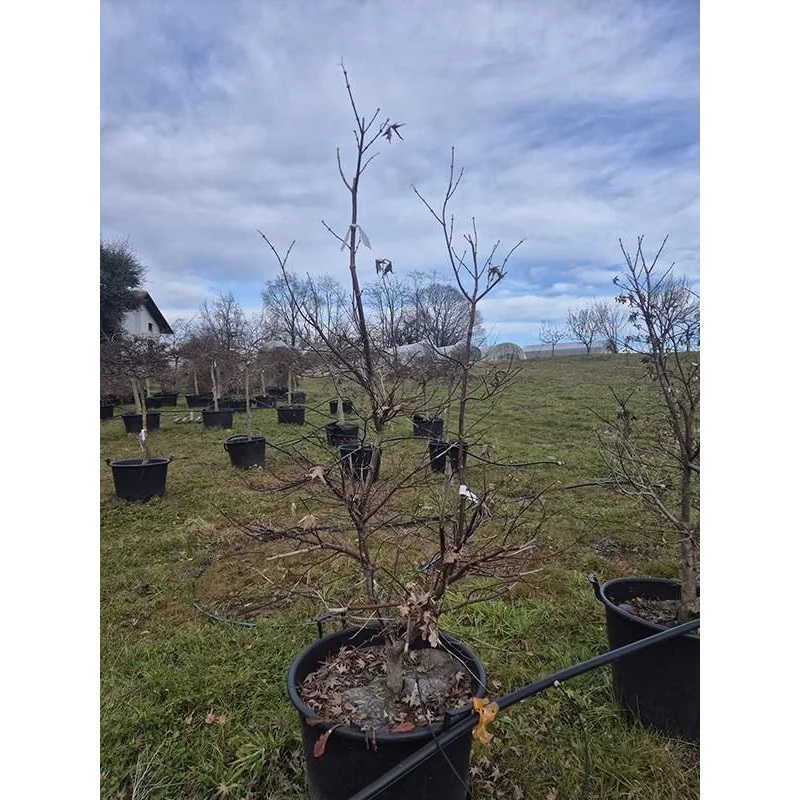
Acer palmatum Bloodgood is one of the most popular and reliable purple-leaved Japanese maples, treasured for its deep burgundy foliage, graceful form and spectacular autumn colour. Originating from Japan, Bloodgood is celebrated worldwide for its robustness and ability to hold its colour well throughout the summer.
Foliage: Classic palmate leaves emerge a vivid deep red to burgundy in spring, remaining a rich, dark purplish-red through summer even in partial shade. In autumn, they turn brilliant scarlet-crimson, creating a stunning seasonal finale.
Bark: Young branches have a subtle reddish hue, adding gentle winter interest.
Habit: Forms an elegant, upright small tree, typically reaching 46 metres high with a similar spread over many years, developing a broad, rounded crown.
Flowers & Seeds: In spring, small red flowers appear, followed by attractive winged seeds (samaras) that add to its ornamental value.
Because of its rich leaf colour, elegant shape and all-season interest, Bloodgood is ideal as a specimen tree in lawns, borders, Japanese gardens or even large containers.
Prefers partial shade or dappled sunlight, especially in areas with hot summers.
Bloodgood is more sun-tolerant than many other Japanese maples and can hold its leaf colour well even with more direct light, though in very exposed, hot sites some leaf scorch may occur.
Plant in a sheltered position, away from strong, drying winds that can damage delicate leaves and cause browning at the edges.
Likes soil to be consistently moist but well-drained.
Water deeply during dry periods, especially in the first few years after planting or if grown in pots.
Mulch in spring with bark or compost to retain moisture and keep roots cool.
Prefers slightly acidic to neutral, fertile, humus-rich soil.
Avoid very alkaline or heavy clay. If necessary, improve soil by adding compost or plant in raised beds or containers with ericaceous compost mixed with grit.
Feed lightly in spring with a balanced slow-release fertiliser or a specialist acer feed.
Avoid high-nitrogen fertilisers which promote lush, soft growth more prone to wind and frost damage.
Requires minimal pruning.
Remove any dead, damaged or crossing branches in late autumn or winter while dormant.
Avoid hard pruning which can spoil its natural, layered shape.
Generally very healthy and low maintenance.
May occasionally attract aphids on new shoots.
Leaf scorch (brown tips or edges) usually results from drought, wind exposure or intense sun rather than disease.
Well-suited to large pots, making it ideal for patios or smaller gardens.
Use ericaceous compost with added grit, ensure good drainage by raising pots on feet.
Water consistently and protect roots in harsh winters by wrapping or moving to a sheltered location.


