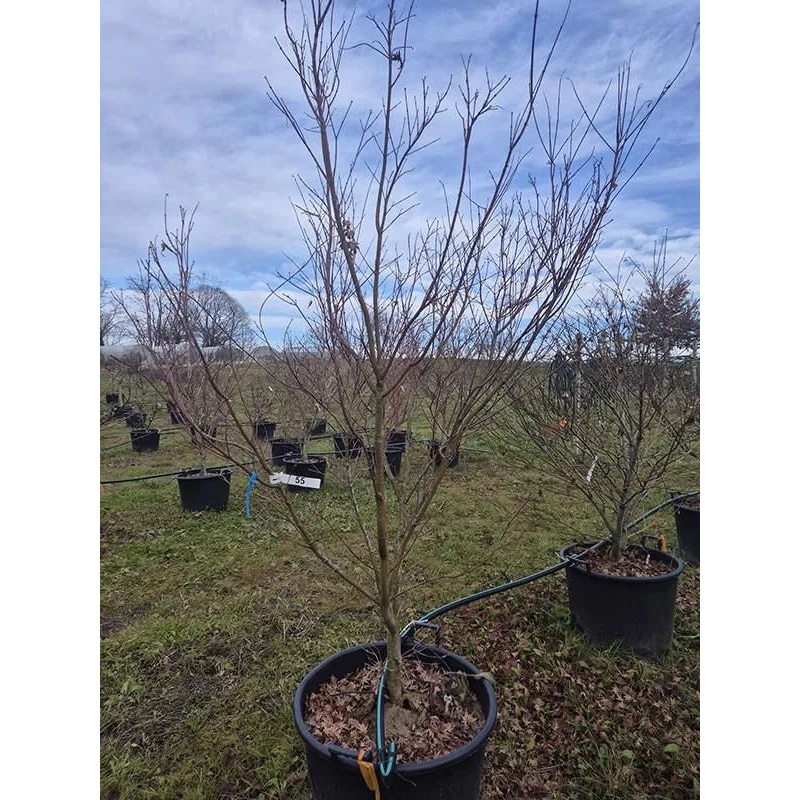
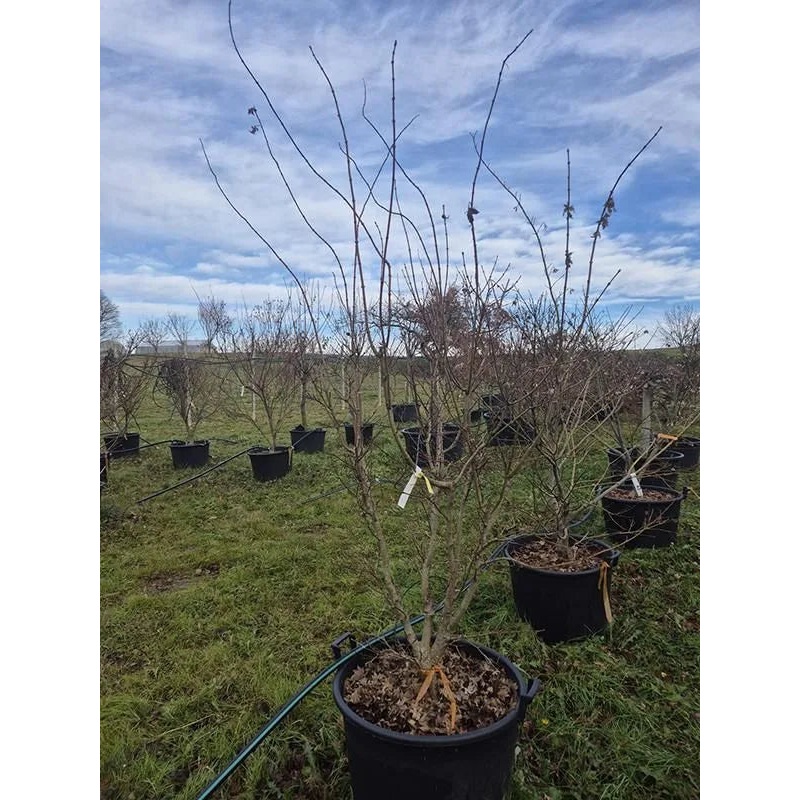
$146.00
$3.00
50% OFF! Hot items selling fast—Grab them before they're gone!

 Unconditional Satisfaction GuaranteeNo Shipping Fees Above 302 Months to Decide. Returns Simplified.
Washingtonia filifera, commonly known as the California Fan Palm or Desert Fan Palm, is an iconic architectural palm native to the arid canyons and oases of the southwestern United States, particularly California. It is prized for its imposing stature, stately trunk and distinctive fan-shaped fronds edged with graceful white threads.
Foliage: Large, circular, bright green fan-shaped fronds up to 1.5 metres wide, each divided into numerous stiff segments. The edges are lined with fine, white, hair-like filaments giving the species its name filifera (meaning thread-bearing).
Trunk: Develops a tall, robust, grey-brown trunk, often clothed for many years with the skirt of dead fronds, which hang down around the trunk unless removed for a neater appearance.
Height: In its native habitat, can grow to 1520 metres high, though in cultivation (or containers) it usually remains much smaller, especially in cooler climates.
Flowers & Fruit: Produces large sprays of small creamy-white flowers in summer, followed by small black fruits which attract birds.
Because of its bold silhouette, Washingtonia filifera is a favourite for Mediterranean-style or subtropical gardens, adding instant exotic impact.
Thrives in full sun. Needs as much direct sunlight as possible to maintain strong, compact growth.
Ideal for a sunny, sheltered position in the garden, or as a feature in a south-facing courtyard.
Hardier than many palms tolerates light frosts down to around -6C when mature and well-established, though leaf damage may occur below -4C.
Young plants should be protected with fleece in harsh winters or overwintered in a cool greenhouse.
Despite its desert origins, it appreciates regular watering in the growing season particularly when grown in containers.
Allow the top of the soil to dry out slightly between waterings. Reduce watering in winter.
Prefers well-drained, fertile soil.
Tolerates sandy or gravelly soils very well avoid heavy clay or waterlogged areas.
Feed monthly in spring and summer with a balanced palm fertiliser or slow-release granular feed to encourage robust growth and healthy foliage.
Remove dead or damaged fronds by cutting close to the trunk.
Some gardeners leave the old fronds to form a natural skirt for a more tropical look (it also protects the trunk), while others prefer to remove them for a tidier silhouette.
Generally very robust and trouble-free.
Occasionally susceptible to scale insects or red spider mite under glass maintain humidity and wipe leaves if needed.
Washingtonia filifera adapts well to large pots for terraces and patios.
Use a free-draining compost, ideally with added grit.
Ensure containers have good drainage holes and raise on pot feet.
Move to a sheltered spot or wrap pots in bubble wrap for winter protection in colder regions.