$147.00
$3.00
50% OFF! Hot items selling fast—Grab them before they're gone!

 Unconditional Satisfaction GuaranteeNo Shipping Fees Above 302 Months to Decide. Returns Simplified.
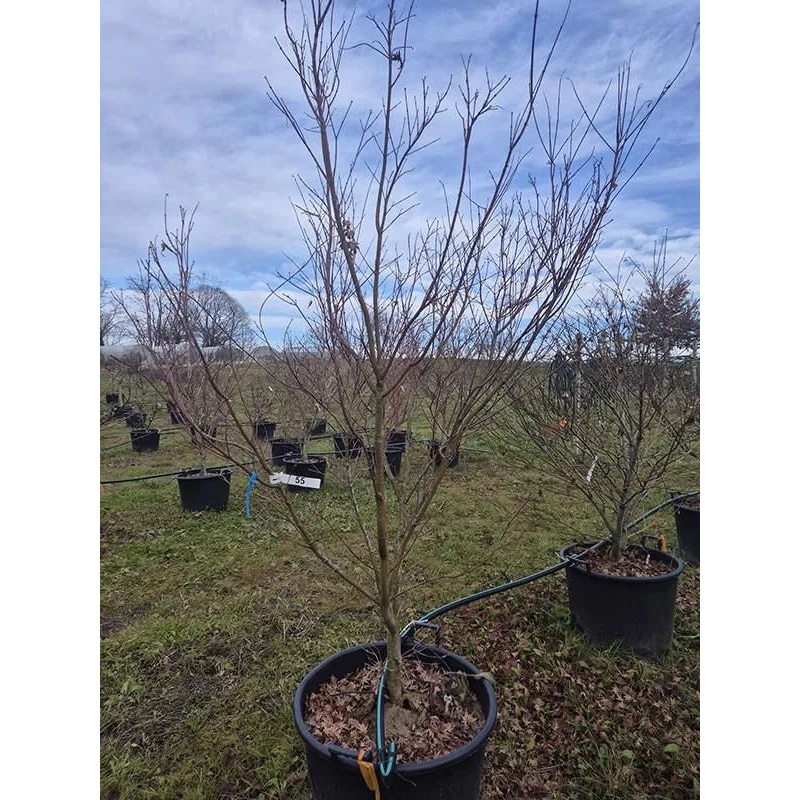
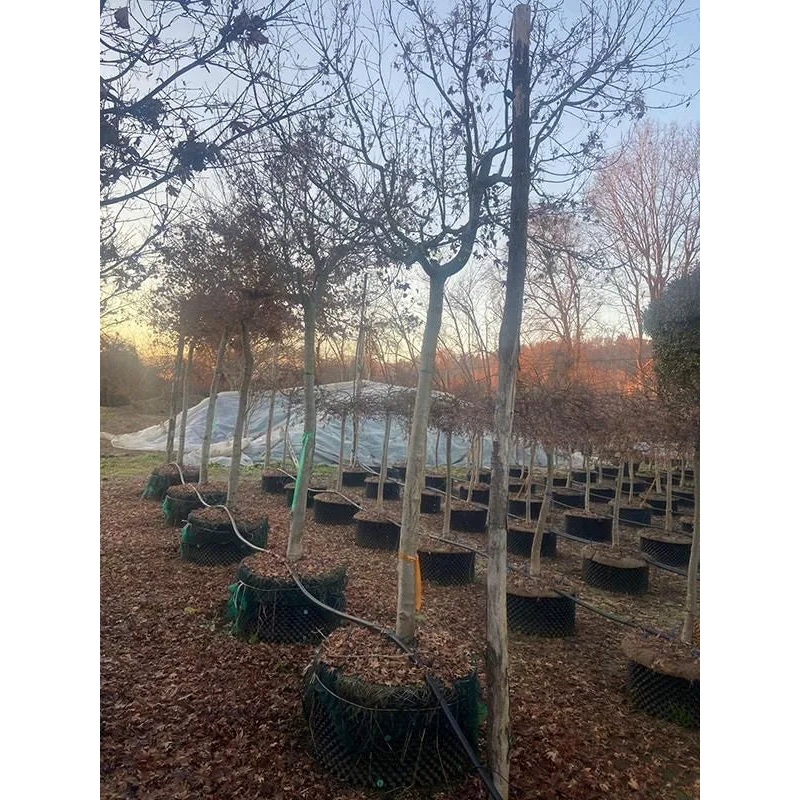
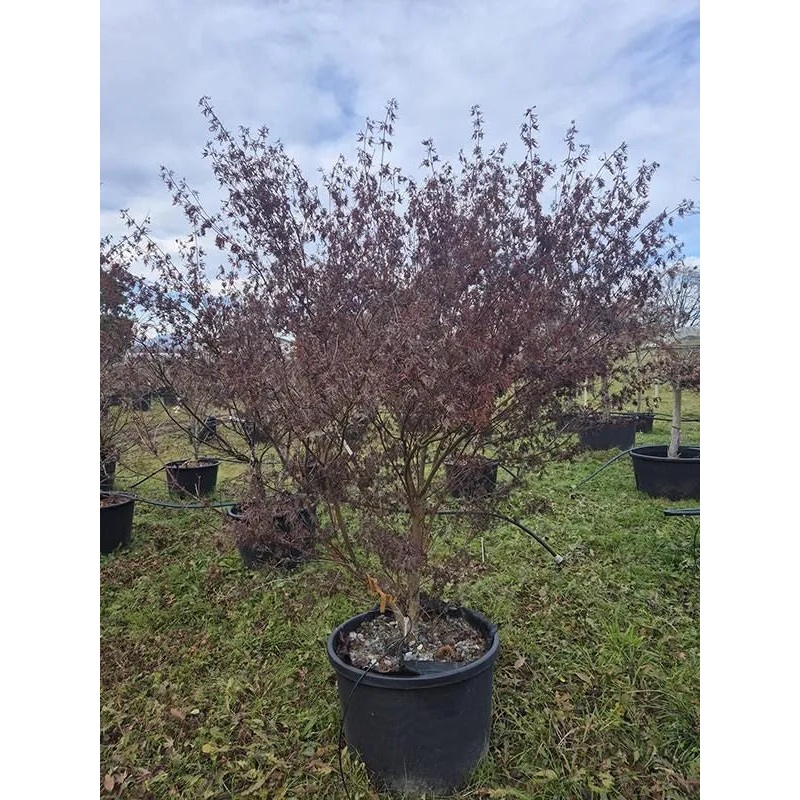
Brachychiton rupestris, commonly known as the Queensland Bottle Tree, is a striking deciduous to semi-evergreen tree native to Queensland, Australia. It is admired for its unique, swollen trunk which acts as a water reservoir, allowing it to survive long periods of drought an adaptation to Australias harsh inland climates.
Trunk: Its most distinctive feature is the bulbous, bottle-shaped trunk, which gradually develops with age. This swollen trunk stores water, giving it a remarkable sculptural quality even when young.
Foliage: Leaves are variable when young, often deeply lobed like a maple leaf; mature trees have more slender, simple leaves. They are bright green, turning yellow and dropping briefly during very dry periods or cooler weather.
Flowers: In late spring to summer, small bell-shaped cream to pink flowers appear, often borne in loose clusters, adding delicate contrast to the bold trunk.
Size: In its native habitat, it can reach 1020 metres high, but in cultivation (and certainly in pots or UK conservatories), it remains much smaller, growing slowly and forming a manageable feature tree.
Because of its distinctive silhouette, Brachychiton rupestris is often grown as a specimen tree in large gardens or used as a dramatic feature in dry, Mediterranean or Australian-themed plantings.
Prefers full sun to thrive and develop its characteristic trunk.
In the UK, best grown as a conservatory or greenhouse plant, or outdoors in summer in the sunniest, most sheltered spot possible.
Tender in the UK (H1b) cannot tolerate frost.
Must be overwintered indoors or in a heated glasshouse at above 57C.
Enjoys warm conditions between 1530C.
Very drought-tolerant once established, thanks to its water-storing trunk.
In the growing season (spring to early autumn), water thoroughly when the compost is dry at the top.
In winter, water sparingly allow the soil to dry out almost completely to mimic its natural dormant season.
Needs excellent drainage.
Use a gritty, sandy mix such as cactus compost with added perlite or coarse sand.
Feed lightly with a balanced, low-nitrogen fertiliser once a month during the growing season.
Do not feed in winter.
Requires very little pruning.
Can be gently shaped to encourage a balanced canopy.
Remove any dead or damaged shoots in late winter.
Generally very robust.
Occasionally may be affected by scale insects or mealybugs indoors wipe off or treat with horticultural soap.
Excellent as a feature container plant, particularly in modern or arid-themed courtyard gardens.
Use a deep pot with drainage holes, filled with gritty compost.
Raise on pot feet if kept outdoors in summer to ensure free drainage.
Repot every 34 years, slightly increasing the pot size each time.