
$145.00
$3.00
50% OFF! Hot items selling fast—Grab them before they're gone!

 Unconditional Satisfaction GuaranteeNo Shipping Fees Above 302 Months to Decide. Returns Simplified.
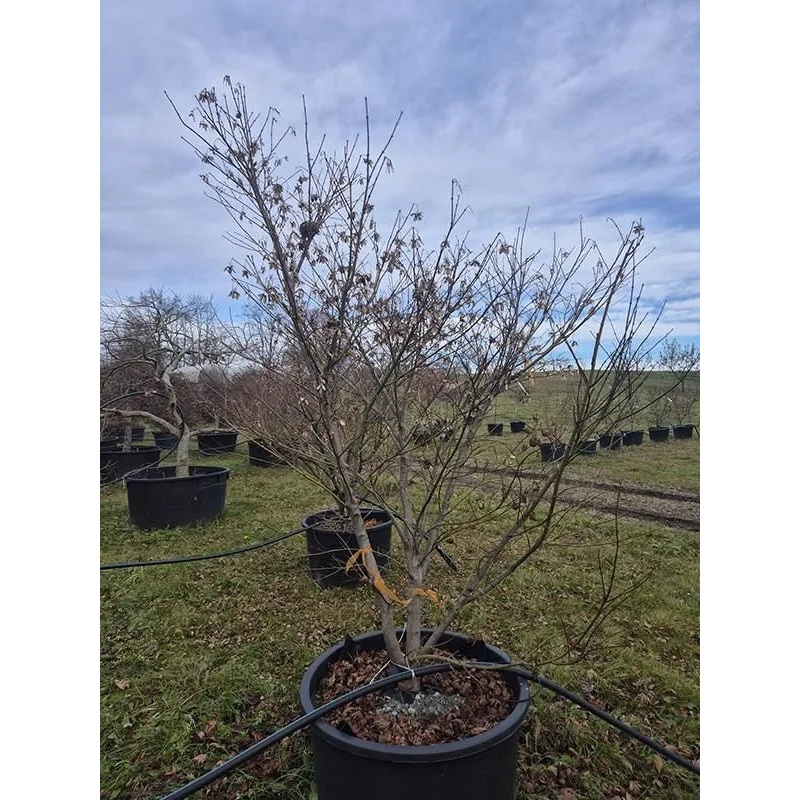
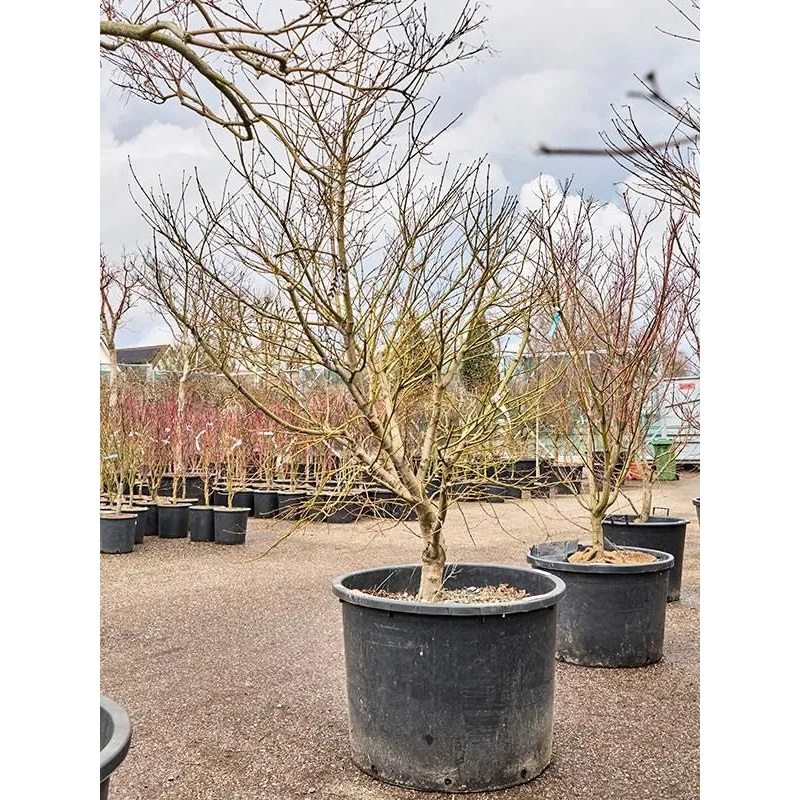
Ficus carica, commonly known simply as the fig, is a deciduous shrub or small tree native to the Mediterranean region and western Asia. Grown for thousands of years, figs are renowned both for their bold, ornamental foliage and their delicious fruit, making them a favourite in kitchen gardens and sunny ornamental borders alike.
Foliage: Large, deeply lobed, hand-shaped leaves (often 35 lobes) are bright green and can grow up to 25 cm across, creating a bold, tropical look. The leaves are also softly hairy and aromatic when crushed.
Form: Typically grows as a spreading, multi-stemmed shrub or small tree, reaching 35 metres high with an even broader spread if unpruned. It develops attractive gnarled, grey bark with age.
Fruit: Produces distinctive pear-shaped fruits (technically syconia), starting green then ripening to shades of purple or brown, depending on the variety. They are usually harvested in late summer to early autumn. In the UK, outdoor cropping is often best in hot summers.
Flowers: Tiny, hidden within the fig fruit, meaning figs are self-contained flower and fruit structures.
Figs bring a Mediterranean feel to UK gardens, look striking trained against sunny walls, and work equally well in large containers.
Needs a sunny, sheltered spot.
Choose a south or south-west facing wall or fence which provides reflected heat, helping to ripen fruit and encourage strong growth.
In colder areas, grow in a large container so it can be moved to a more protected spot.
While hardy, young shoots can be damaged by late frosts. Shelter helps ensure better leaf and fruit development.
Once established in the ground, figs are quite drought tolerant, but regular watering helps ensure larger, juicier fruit.
Container-grown figs need consistent watering, especially in hot weather. Avoid waterlogging.
Thrives in well-drained soil, ideally poor to moderately fertile.
Too-rich soils encourage leafy growth at the expense of fruit.
If planting in the ground, restrict roots by planting in a large bottomless container or lined pit (approx. 45 cm wide and deep) to help concentrate energy on fruiting.
Generally needs little feeding if grown in the ground.
In pots, feed monthly in the growing season with a balanced liquid fertiliser until fruits begin to form, then switch to a high-potash feed to encourage ripening.
Minimal pruning needed.
In late winter, remove any dead or crossing branches to maintain an open shape.
Pinch out the tips of new shoots in early summer once they have five leaves to encourage fruiting laterals.
In the UK, main crops typically ripen from late August into October.
Small, pea-sized figs formed in late summer should overwinter as tiny embryo fruits to ripen the following year; larger figs that will not ripen should be removed by mid-autumn.
Generally pest-free, though birds may eat ripening fruit consider netting.
Leaf scorch (browned edges) can occur from drought or excessive wind.
Overwatering in pots can lead to leaf yellowing and root problems.
Ideal in large pots (at least 4550 cm wide).
Use John Innes No.3 compost mixed with extra grit for drainage.
Restricting root growth in containers encourages fruiting over leafy growth.