
$145.00
$2.00
50% OFF! Hot items selling fast—Grab them before they're gone!
 Unconditional Satisfaction GuaranteeNo Shipping Fees Above 302 Months to Decide. Returns Simplified.
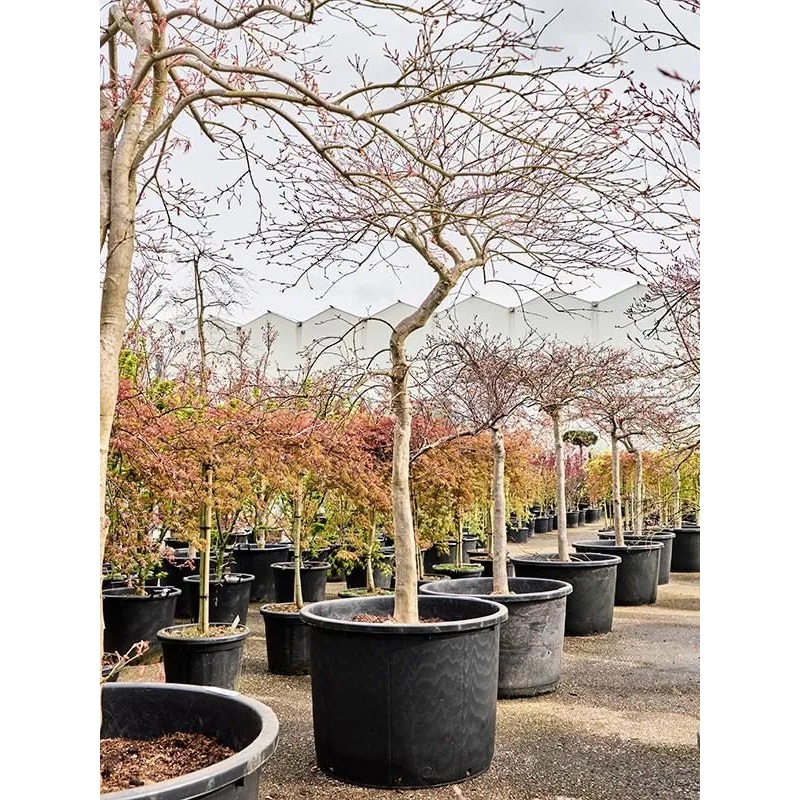
Acer palmatum Stella Rossa is an attractive modern cultivar of the Japanese maple, cherished for its beautifully shaped foliage and reliable, vibrant red tones that persist through the growing season. Unlike many older red acers that fade to bronze or green by mid-summer, Stella Rossa maintains a rich depth of colour, bringing long-lasting impact to borders and patios.
Foliage: Palmate leaves emerge a vivid bright red in spring, deepen to a strong burgundy-red through summer, and finally transform into a spectacular fiery crimson in autumn. The finely pointed lobes give it a delicate, elegant texture.
Habit: Forms a neat, upright small tree or large shrub, typically reaching 23 metres high, with a slightly vase-shaped to rounded crown. This moderate growth makes it ideal for smaller gardens or for creating height in mixed borders.
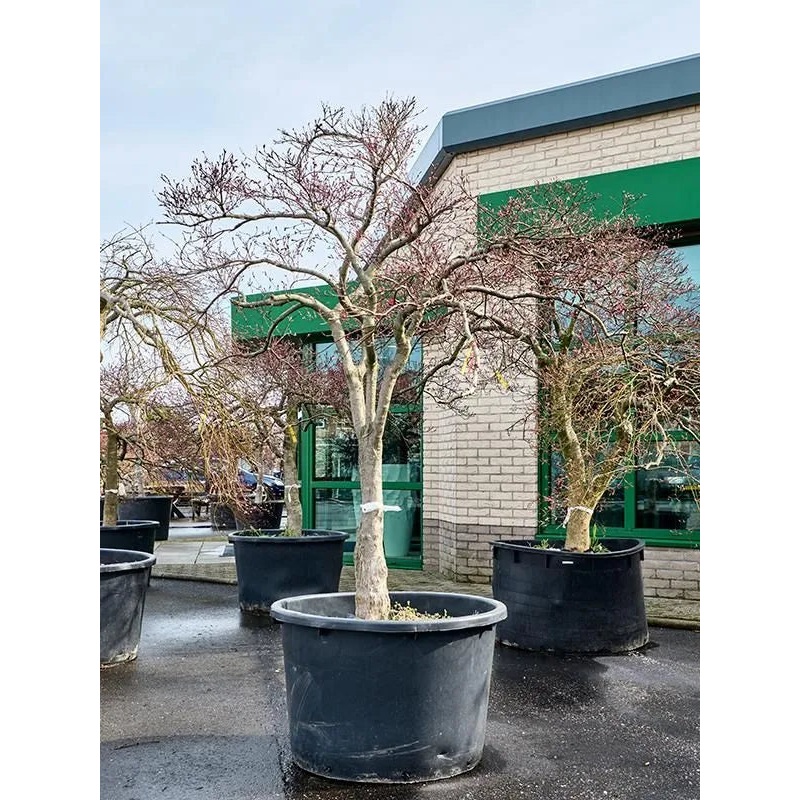
Bark: Smooth grey-brown bark gives a clean look in winter, adding subtle structure even when leafless.
Its colour consistency, well-balanced habit and relatively compact size make Stella Rossa a superb feature tree, whether planted as a focal point in lawns, near seating areas, or in a large container on patios.
Prefers partial shade or dappled sunlight.
More sun-tolerant than many other red Japanese maples, so it holds colour well even with morning or early afternoon sun.
Still needs shelter from hot, intense afternoon sun which can scorch leaf edges.
Plant in a protected position, away from strong, drying winds which can damage delicate leaves and cause browning.
Likes soil to be consistently moist but well-drained.
Water thoroughly in dry spells, especially in the first few years or when grown in pots.
A spring mulch of bark or leaf mould helps retain moisture and keep roots cool.
Prefers slightly acidic to neutral, fertile, humus-rich soil.
Avoid heavy clay or alkaline soils. If needed, plant in raised beds or containers with ericaceous compost mixed with grit for drainage.
Feed lightly in spring with a balanced slow-release fertiliser or an acer-specific feed.
Avoid high-nitrogen fertilisers which produce lush, soft growth more susceptible to frost and wind.
Requires very little pruning.
Remove any dead, damaged or crossing branches in late autumn or winter when the tree is dormant.
Avoid hard pruning which spoils its natural shape.
Generally pest-free and trouble-free.
May occasionally see aphids on new growth.
Leaf scorch (browning at the edges) is typically caused by drought, wind or intense sun, not disease.
Excellent choice for a large pot, perfect for patios or courtyard gardens.
Use ericaceous compost with added grit, ensure the pot has good drainage, and raise it on feet.
Keep well-watered in summer, and protect container roots in harsh winters by wrapping or moving to a sheltered spot.