$146.00
$3.00
50% OFF! Hot items selling fast—Grab them before they're gone!
 Unconditional Satisfaction GuaranteeNo Shipping Fees Above 302 Months to Decide. Returns Simplified.
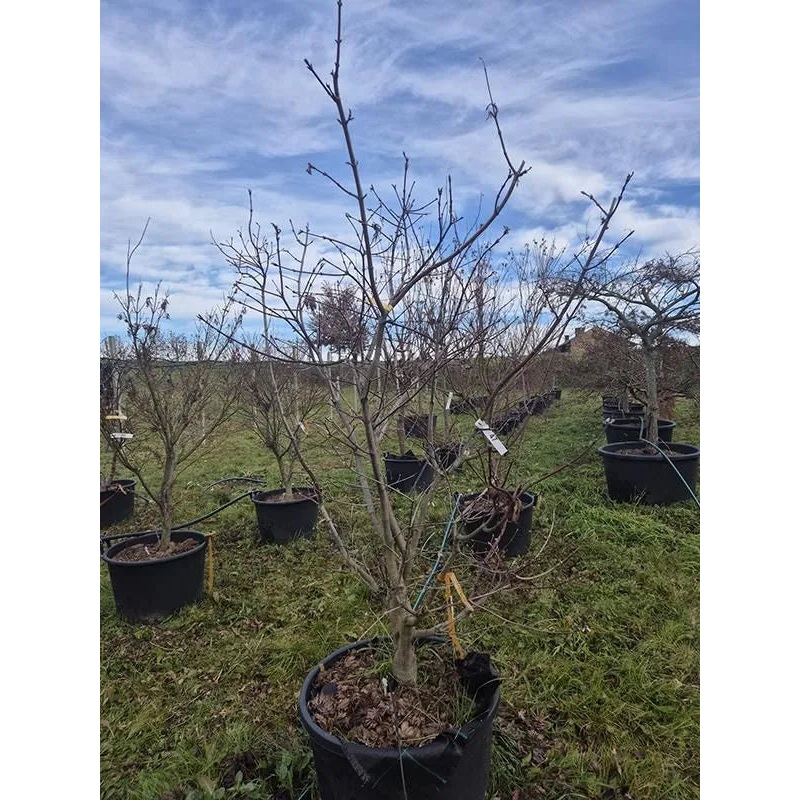
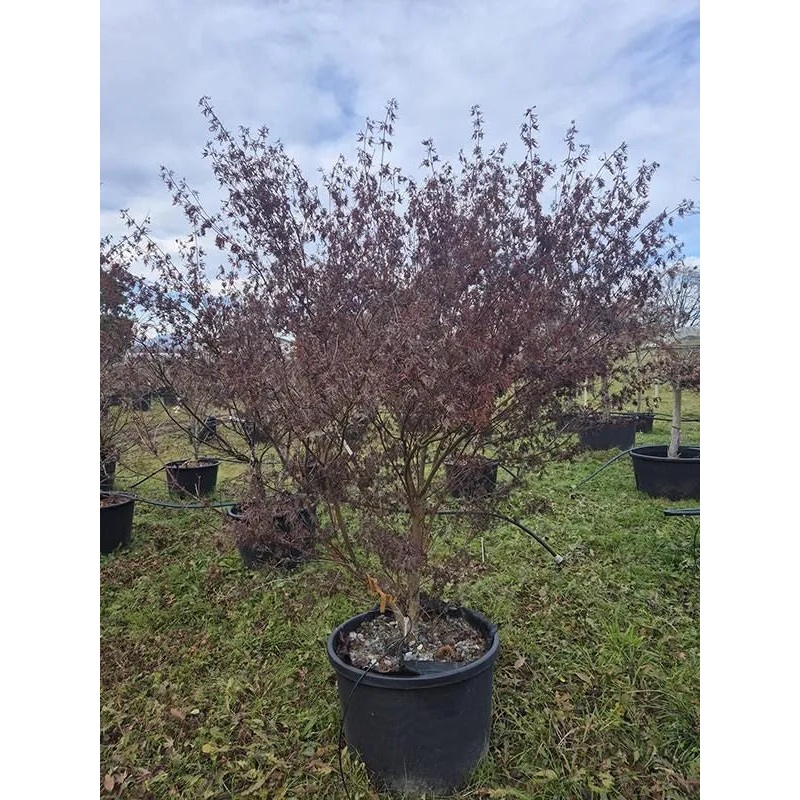
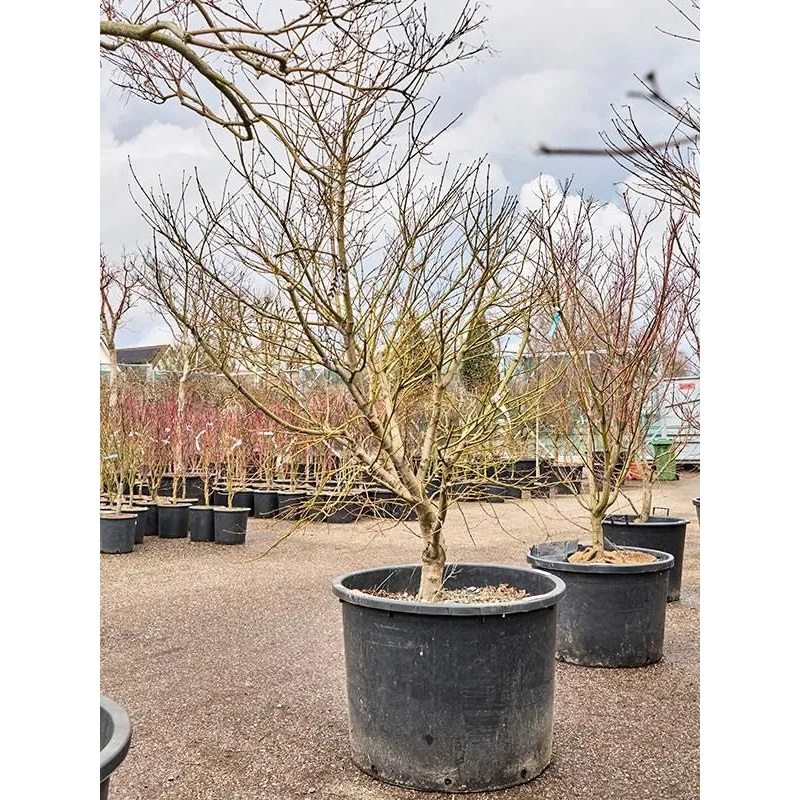
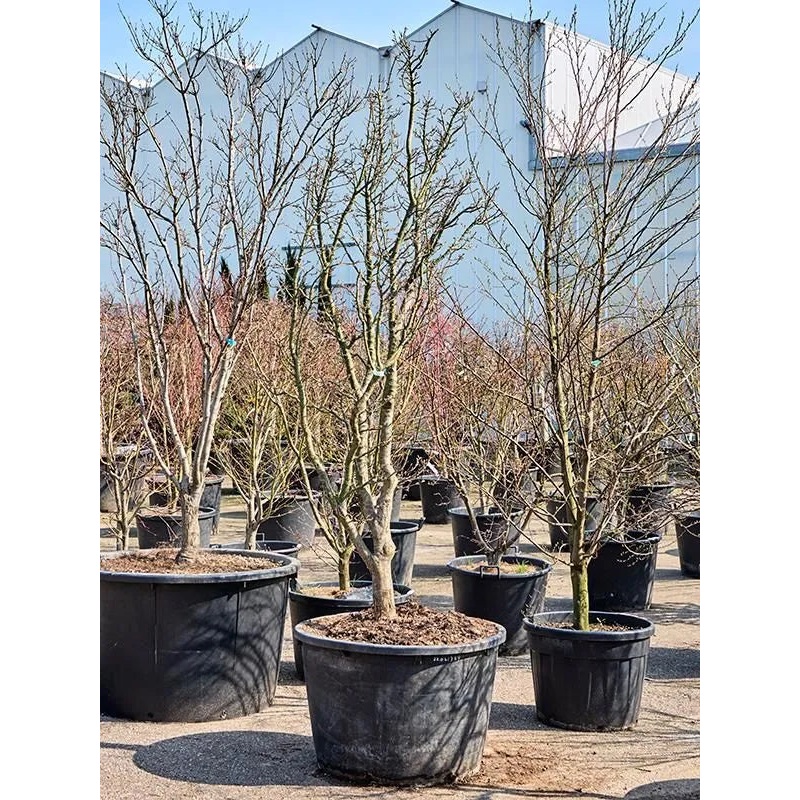
Acer palmatum Shishigashira, often called the Lions Head Maple, is a distinctive and highly ornamental Japanese maple. Unlike the typical lace-leaf or broad palmate forms, Shishigashira is renowned for its unique, crinkled foliage and upright, architectural habit.
Foliage: Small, tightly packed leaves with a curled, crinkled texture and rich deep green colour through spring and summer. In autumn, they put on a spectacular show, turning vibrant shades of gold, orange and scarlet, often with multiple colours on the same tree.
Habit: Forms an upright, compact, bushy small tree or large shrub, growing slowly to around 2.54 metres high with a slightly narrower spread. Its growth is dense, giving it a sculptural look thats especially prized in Japanese gardens.
Bark: Smooth grey-brown branches add quiet winter structure.
Its unusual foliage and tight habit give Shishigashira a strong architectural presence, making it a standout specimen in borders, courtyards, or pots. Its also highly valued for bonsai.
Prefers partial shade or dappled sunlight.
Can tolerate some full sun (especially morning sun) which helps intensify autumn colour, but protect from hot afternoon sun that may scorch the leaves.
Needs a sheltered site, away from strong winds.
Important to avoid exposed spots. Strong winds can damage leaves or dry them out, leading to browning.
Likes soil to be consistently moist but not waterlogged.
In hot spells or if grown in a container, water regularly to prevent stress.
An annual mulch of bark or compost in spring helps retain moisture and protect shallow roots.
Prefers slightly acidic to neutral, fertile, well-drained soil enriched with organic matter.
Avoid heavy clay or very alkaline soils. If your soil is unsuitable, grow in raised beds or containers with ericaceous compost mixed with grit.
Feed lightly in early spring with a balanced slow-release fertiliser or a specialist acer feed.
Avoid high-nitrogen fertilisers which encourage lush, soft growth thats more vulnerable to damage.
Needs minimal pruning.
Remove any dead, damaged or crossing branches in late autumn or winter while dormant.
Avoid heavy pruning, as it can spoil the natural compact structure.
Generally free of serious pests or diseases.
May occasionally attract aphids on young shoots.
Leaf scorch (browned edges) is usually a sign of drought, strong winds or intense sun, not disease.
An excellent candidate for growing in large pots, which helps control size and allows placement in an optimal sheltered spot.
Use ericaceous compost with added grit for drainage, raise pots on feet, and water consistently.
In very cold weather, protect container roots by wrapping the pot or moving it to a sheltered position.