$145.00
$2.00
50% OFF! Hot items selling fast—Grab them before they're gone!
 Unconditional Satisfaction GuaranteeNo Shipping Fees Above 302 Months to Decide. Returns Simplified.
Acer palmatum Stella Rossa is a striking modern cultivar of the Japanese maple, celebrated for its deep red foliage that maintains intensity throughout the growing season. Unlike many red acers that fade to green or bronze, Stella Rossa is known for holding a rich, dark colour even in the height of summer.
Foliage: Broadly palmate, finely pointed leaves emerge bright red in spring, deepen to a strong burgundy to purple-red in summer, then turn a brilliant scarlet in autumn. The consistency of its colour is one of its standout features.
Habit: Forms a neat, upright shrub or small tree, typically reaching 23 metres high with a similar spread over 1015 years. Its slightly vase-shaped, bushy habit makes it excellent for smaller gardens.
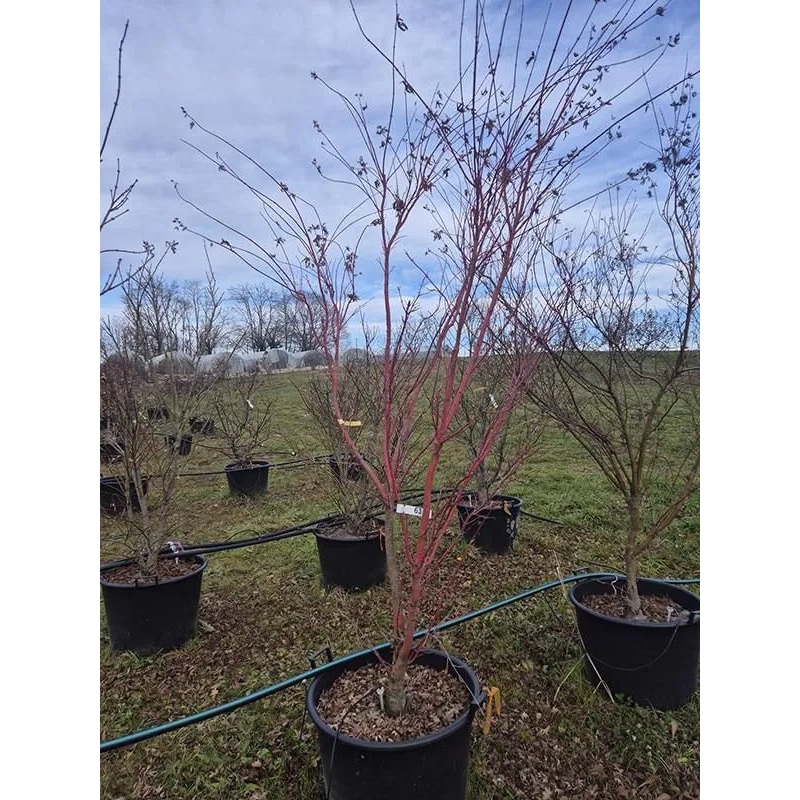
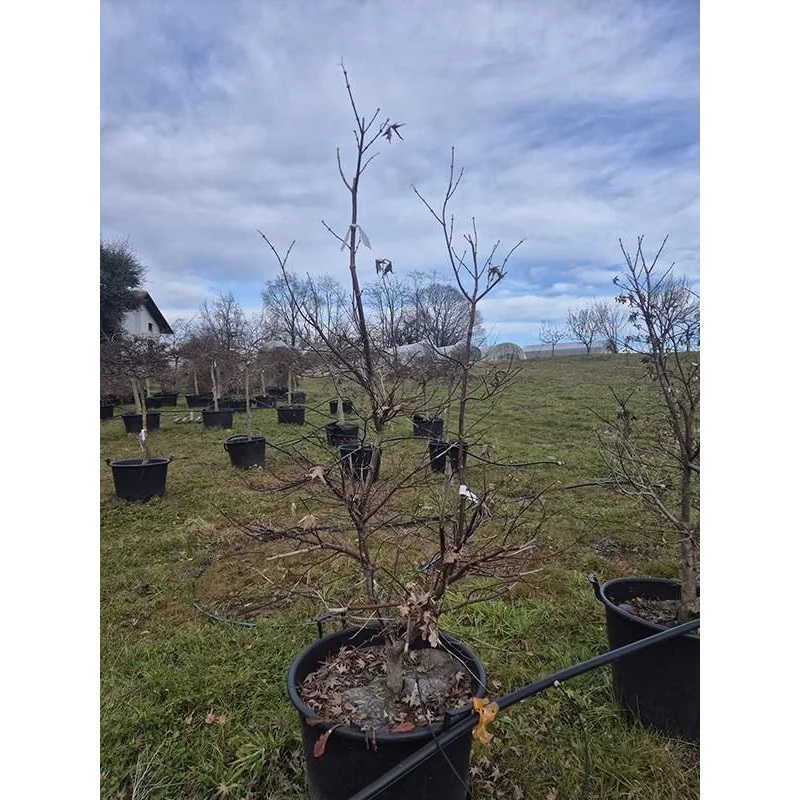
Bark: Young stems have a subtle reddish tinge, offering gentle winter interest once the leaves fall.
This makes Stella Rossa ideal as a specimen tree, for adding height and vivid colour in mixed borders, or growing in large containers on patios where its seasonal display can be fully appreciated.
Prefers partial shade or dappled sunlight.
Can tolerate morning sun, which enhances leaf colour, but protect from hot afternoon sun that can scorch foliage.
Always position in a sheltered spot out of strong winds.
Important to avoid exposed, windy sites, which can damage the delicate leaf margins or dry out the plant.
Likes soil to be consistently moist but never waterlogged.
During hot, dry spells, water well, especially if planted in containers.
Mulch annually in spring with bark or compost to help maintain soil moisture and protect the shallow root system.
Prefers slightly acidic to neutral, fertile, well-draining soils enriched with organic matter.
Avoid heavy clay or very alkaline soils. In such cases, plant in raised beds or large pots using ericaceous compost with added grit for drainage.
Feed lightly in spring with a balanced slow-release fertiliser or a feed formulated for acers.
Avoid high-nitrogen feeds, which can produce lush growth prone to damage.
Requires minimal pruning.
Remove any dead, damaged or crossing branches in winter while the plant is dormant.
Light shaping can be done at this time if needed. Avoid hard pruning which spoils the natural form.
Generally free of serious pests.
May occasionally see aphids on young growth.
Leaf scorch (browning at edges or tips) typically results from drought, strong winds or intense sun, rather than disease.
An excellent choice for a large pot or half-barrel, particularly where soil conditions arent ideal.
Use ericaceous compost mixed with grit, raise pots on feet to ensure free drainage, and water consistently.
In very cold spells, wrap containers or move to a sheltered spot to protect roots.