$15.99
$19.99
50% OFF! Hot items selling fast—Grab them before they're gone!

 Unconditional Satisfaction GuaranteeNo Shipping Fees Above 302 Months to Decide. Returns Simplified.
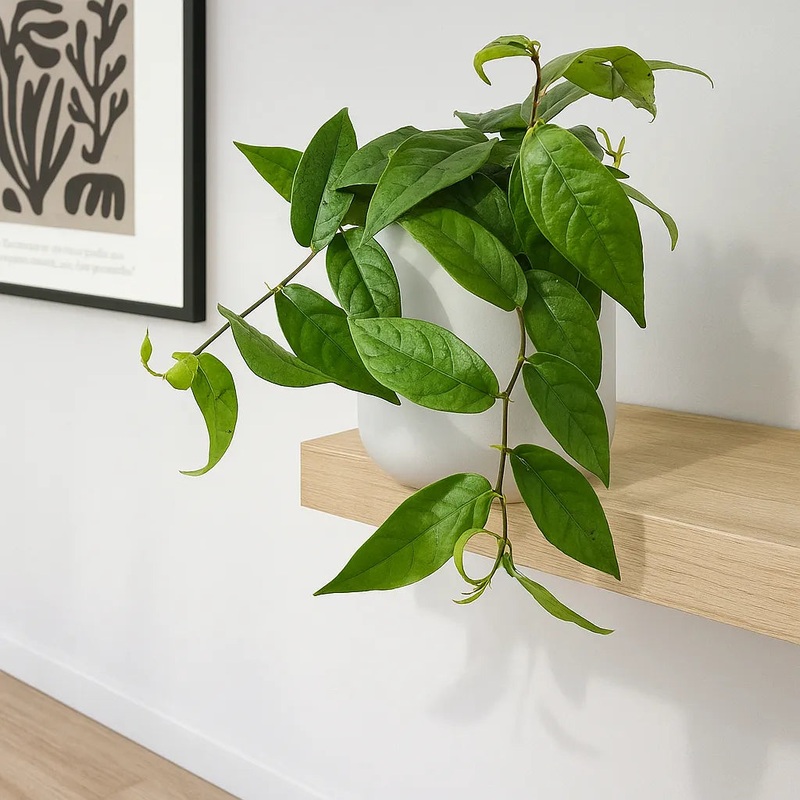
Ficus sagittata variegata is a graceful trailing or climbing houseplant from the Moraceae family, prized for its delicate variegated foliage. Native to parts of Southeast Asia, this species is related to the more familiar Rubber Plant (Ficus elastica) and Weeping Fig (Ficus benjamina), but it has a softer, more decorative habit that makes it perfect for hanging baskets and small supports indoors.
The plant produces small, heart-shaped leaves with a pointed tip (hence the name sagittata, meaning arrow-shaped). Each leaf is edged with creamy white or soft yellow variegation, contrasting against the deep to mid-green centre. The trailing stems create a cascading effect, making it an excellent choice for shelves, hanging planters, or even as ground cover in conservatories.
Its fine texture and compact growth habit set it apart from larger, more tree-like ficus species. Despite its delicate appearance, the plant is adaptable and relatively easy to care for, bringing both elegance and a touch of the tropics into homes and offices.
Prefers bright, indirect light to maintain strong variegation. Tolerates medium light but colours may fade. Avoid prolonged direct sun, which can scorch the small, delicate leaves.
Water when the top 23 cm of soil feels dry. Keep the soil lightly moist during the growing season, but ensure good drainage to avoid waterlogging. Reduce watering slightly in winter. Overwatering may cause yellowing and leaf drop.
Temperature: Thrives in 1826C. Protect from draughts and avoid temperatures below 15C.
Humidity: Appreciates moderate to high humidity. Mist occasionally, use a pebble tray, or place near other plants to help keep foliage fresh.
Use a peat-free, well-draining houseplant compost mixed with perlite or sand to improve aeration. Repot every 12 years in spring to refresh the soil and accommodate growth.
Apply a balanced liquid fertiliser every 34 weeks during spring and summer. Feeding is not necessary during winter dormancy.
Trim stems regularly to encourage bushiness and prevent legginess. The plant can be trained to climb on small trellises or moss poles, or left to trail freely from a hanging pot. Cuttings can be propagated easily in water or directly in soil.
This is a relatively fast grower under good conditions, producing long, trailing stems. Mature plants create a cascading or climbing display, with foliage that remains neat and tidy throughout the year.
Leaf drop: Usually caused by overwatering, draughts, or sudden environmental changes.
Faded variegation: Often due to insufficient light.
Pests: May occasionally attract mealybugs, scale insects, or spider mites. Inspect leaves regularly and treat promptly.
Variegated Ficus sagittata combines the tropical charm of the ficus family with a delicate, trailing growth habit that makes it especially versatile indoors. Its small, variegated leaves soften interiors and bring light into shaded corners, while its air-purifying qualities help to improve indoor environments.
Quick Care Summary
Light: Bright, indirect; tolerates medium
Water: Keep lightly moist, reduce in winter
Temperature: 1826C; avoid below 15C
Humidity: Moderate to high
Soil: Free-draining houseplant compost
Feed: Monthly in spring/summer
Growth: Trailing or climbing; small green leaves with creamy variegation