$31.96
$39.95
50% OFF! Hot items selling fast—Grab them before they're gone!

 Unconditional Satisfaction GuaranteeNo Shipping Fees Above 302 Months to Decide. Returns Simplified.
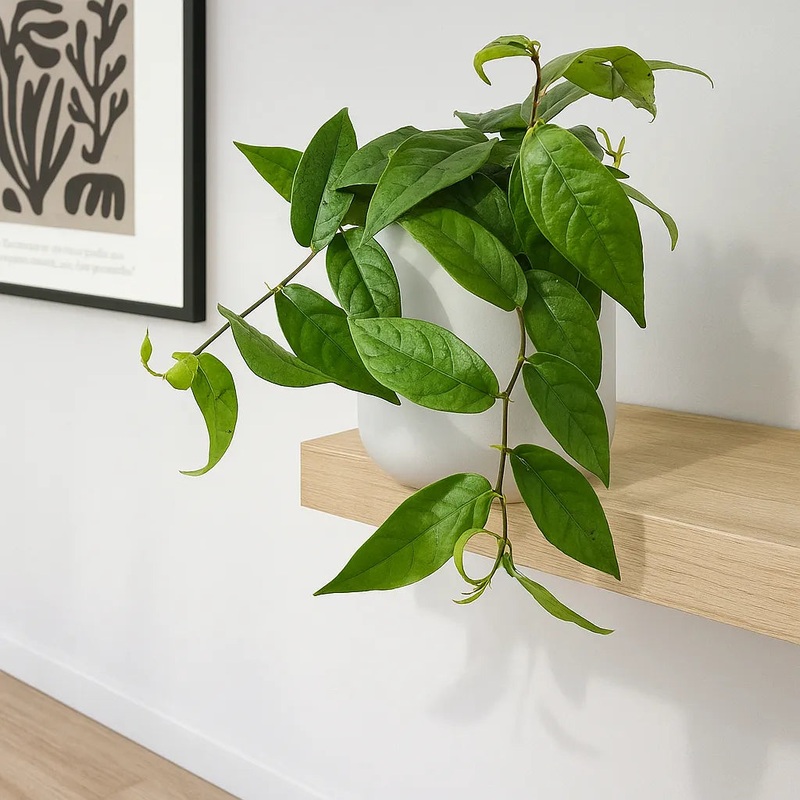
Philodendron panduriforme is a rare climbing aroid from the Araceae family, native to the tropical rainforests of South America. The name panduriforme refers to its violin- or fiddle-shaped leaves, which are deeply lobed at the base and taper elegantly toward the tip.
The foliage is glossy and leathery, a rich emerald green with a smooth surface that reflects light beautifully. Mature leaves can reach 3045 cm in length indoors, and significantly larger in their natural habitat. Its elegant shape makes it stand out among philodendrons, offering a sophisticated look that works equally well in modern and naturalistic interiors.
Like many philodendrons, P. panduriforme is a climber, producing aerial roots that cling to tree trunks in the wild. When given support indoors, such as a moss pole or trellis, it will grow taller and develop larger, more dramatic leaves.
Thrives in bright, indirect light. Tolerates medium light but growth will be slower. Avoid direct sunlight, which can scorch the leaves.
Water when the top 23 cm of soil feels dry. Keep the soil evenly moist during the growing season but allow good drainage to prevent root rot. Reduce watering in winter.
Temperature: Prefers 1828C. Avoid cold draughts and exposure below 15C.
Humidity: Enjoys moderate to high humidity (60%+). Occasional misting or placement near a humidifier will encourage lush growth.
Use a chunky, free-draining aroid mix peat-free compost combined with orchid bark, perlite, and coco coir. Repot every 12 years in spring to refresh the mix and support root development.
Apply a balanced liquid fertiliser every 34 weeks during spring and summer. Reduce feeding in autumn and stop in winter.
Prune lightly to control size and shape. Train onto a moss pole or trellis to encourage taller growth and larger leaves.
A moderate grower indoors, reaching 60120 cm tall with support. Leaves become more pronounced in their violin shape as the plant matures.
Yellowing leaves: Typically caused by overwatering.
Brown edges: Often due to low humidity or inconsistent watering.
Pests: May occasionally attract spider mites, mealybugs, or thrips.
Philodendron panduriforme is often confused with Philodendron bipennifolium, but its leaves are narrower and more violin-shaped rather than horse-head shaped. It remains a relatively uncommon species in cultivation, making it a prized addition to rare aroid collections. Its elegant, glossy foliage adds a refined tropical flair to interiors while also helping to improve indoor air quality.
Quick Care Summary
Light: Bright, indirect; tolerates medium
Water: Lightly moist; reduce in winter
Temperature: 1828C; avoid below 15C
Humidity: Moderate to high
Soil: Chunky, free-draining aroid mix
Feed: Every 34 weeks in spring/summer
Growth: Climbing vine; violin-shaped glossy green leaves