$75.00
$149.99
50% OFF! Hot items selling fast—Grab them before they're gone!

 Unconditional Satisfaction GuaranteeNo Shipping Fees Above 302 Months to Decide. Returns Simplified.
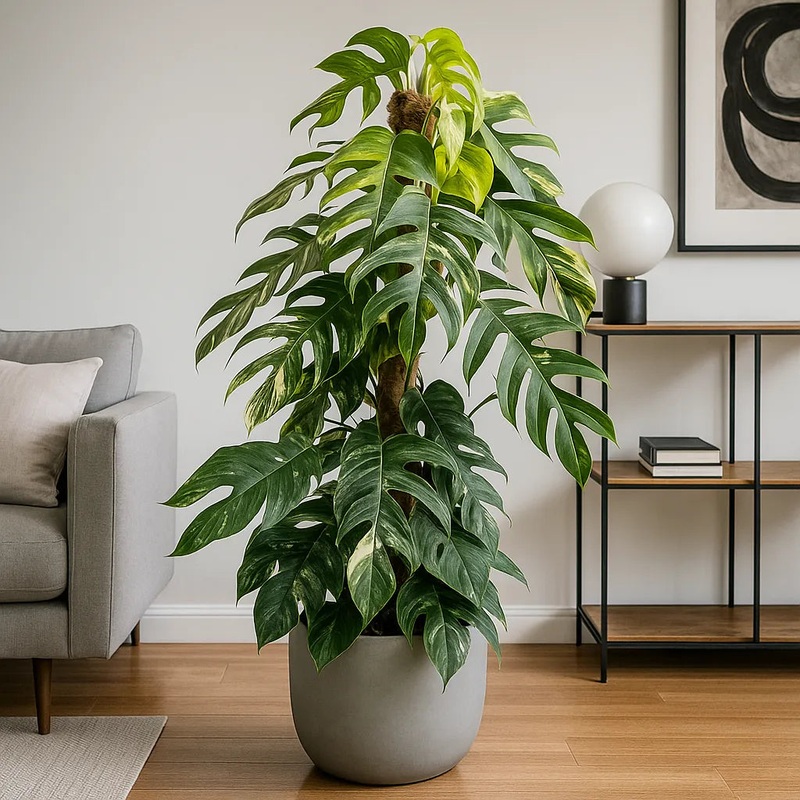
Alocasia macrorrhiza Splash, commonly known as the Variegated Giant Taro, is a spectacular tropical plant admired for its dramatic size and striking variegation. A rare cultivar of the Alocasia macrorrhiza species, this variety is highly prized by collectors for its splashed and marbled foliage, where every leaf displays a unique mix of green, white, and creamy-yellow patterns.
Native to the rainforests of Southeast Asia and the Pacific Islands, this member of the Araceae family grows into an architectural showpiece. The enormous, heart-shaped leaves can reach impressive sizes, held high on thick, pale green petioles streaked with creamy variegation. Each leaf is a one-of-a-kind masterpiece, with irregular patches and splashes of white that give the plant its distinctive name.
Perfect as a statement plant for large spaces, conservatories, or tropical-style interiors, Alocasia Splash combines size, presence, and beauty in a single extraordinary specimen.
Thrives in bright, indirect light. Too much direct sunlight can scorch the white or cream areas of the leaves, while too little light may reduce variegation. East- or north-facing windows are ideal, or filtered light in a bright room.
Keep the soil evenly moist but never soggy. Water when the top 23 cm of soil feels dry, and ensure excess water can drain freely. Alocasias dislike sitting in standing water. Reduce watering in winter when growth slows, allowing the soil to dry slightly more between waterings.
Temperature: Prefers warmth, 2030C. Protect from draughts and temperatures below 16C.
Humidity: Requires high humidity (6080%) to maintain lush foliage and prevent crisping. Mist regularly, use a humidifier, or place near other tropical plants to increase moisture levels.
Use a chunky, well-draining aroid mix peat-free compost blended with orchid bark, perlite, and coco coir. Repot every 12 years in spring to refresh nutrients and allow the roots space to grow. Ensure the pot has good drainage holes.
Feed every 46 weeks in spring and summer with a balanced, diluted liquid fertiliser to support vigorous growth. Avoid over-fertilising, especially as the variegated parts of the leaves contain less chlorophyll.
Remove any yellowing or damaged leaves at the base to encourage new growth. Wipe the large leaves gently with a damp cloth to remove dust and highlight their glossy surface and variegation.
A large, fast-growing tropical that can reach 1.52 metres indoors and even taller in conservatory or greenhouse conditions. The massive leaves, often over 60 cm long, create an impressive, exotic focal point.
Yellowing leaves: Overwatering or poor drainage.
Brown edges: Low humidity or inconsistent watering.
Fading variegation: Insufficient light.
Pests: Occasionally spider mites, thrips, or mealybugs inspect regularly and maintain high humidity.
Alocasia macrorrhiza, also known as the Giant Taro or Elephant Ear, is native to the tropical rainforests of Asia and the Pacific. The Splash cultivar adds rare variegation to this already iconic species, making it one of the most visually dramatic Alocasias in cultivation.
Its bold form and mottled variegation make it a showstopper for large interiors, garden rooms, and collector displays. Like other Alocasias, it also helps purify the air, contributing to a cleaner and fresher indoor environment.
Quick Care Summary
Light: Bright, indirect; avoid direct sun
Water: Keep evenly moist; allow topsoil to dry slightly
Temperature: 2030C; avoid below 16C
Humidity: High (6080%)
Soil: Chunky, free-draining aroid mix
Feed: Every 46 weeks in spring/summer
Growth: Upright, 1.52 m; large variegated leaves marbled in green, cream, and white
Toxicity Note: Like all Alocasias, Splash is toxic if ingested and may irritate skin. Keep out of reach of pets and children.
Styling Tip:
Showcase Alocasia Splash as a standalone feature in a bright, spacious room to highlight its dramatic size and unique variegation. Pair with solid green tropicals such as Philodendron Congo Green or Ficus elastica Robusta for contrast and balance.