$31.96
$39.95
50% OFF! Hot items selling fast—Grab them before they're gone!

 Unconditional Satisfaction GuaranteeNo Shipping Fees Above 302 Months to Decide. Returns Simplified.
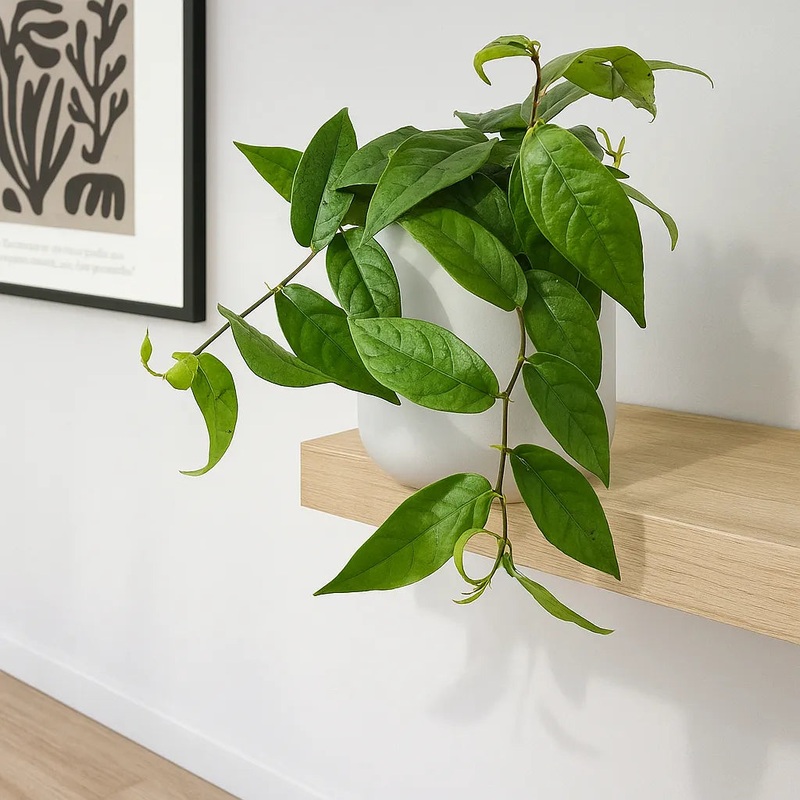
Hoya Linearis, also known as the String of Hearts or the Hoya Heart, is a beautiful trailing plant that belongs to the Hoya family. This plant is native to the tropical regions of Southeast Asia and Australia and is loved for its delicate, heart-shaped leaves and its cascading growth habit. Hoya Linearis is a relatively easy plant to care for, making it a popular choice among plant enthusiasts.
Light: Hoya Linearis thrives in bright, indirect light. Place it near a window where it can receive filtered sunlight throughout the day. Avoid placing it in direct sunlight as it can scorch the leaves. If you notice the leaves turning yellow or getting burnt, it indicates that the plant is receiving too much light.
Temperature: This plant prefers warm temperatures between 65?F to 80?F (18?C to 26?C). It can tolerate slightly cooler temperatures, but avoid exposing it to drafts or sudden temperature fluctuations. Protect it from cold drafts during the winter months.
Watering: Hoya Linearis enjoys slightly moist soil but is susceptible to root rot if overwatered. Water the plant when the top inch of soil feels dry to the touch. Ensure that the pot has drainage holes to allow excess water to escape. Avoid letting the plant sit in standing water, as this can cause root rot. During the winter months, reduce watering frequency as the plant’s growth slows down.
Humidity: This plant appreciates high humidity levels. If you live in a dry climate or during the winter months when indoor humidity drops, you can increase humidity by placing a tray filled with water near the plant or using a humidifier. Regularly misting the leaves with water can also help increase humidity levels.
Soil: Hoya Linearis thrives in well-draining soil that retains some moisture. A mixture of potting soil, perlite, and orchid bark or sand works well. This combination ensures good drainage while retaining some moisture to prevent the soil from drying out too quickly.
Fertilizer: Feed your Hoya Linearis with a balanced, water-soluble fertilizer diluted to half strength. During the growing season, which typically spans from spring to summer, fertilize the plant every two weeks. Reduce or stop fertilizing during the winter months when the plant’s growth slows down.
+J149
Pruning: Pruning is not necessary for Hoya Linearis to thrive, but it can be done to maintain a desired shape or to remove any leggy or damaged growth. You can also propagate new plants from the cuttings. Use clean, sharp pruning shears or scissors to make clean cuts just above a node.
Propagation: Hoya Linearis can be propagated easily through stem cuttings. Select healthy stems and cut them just below a node. Remove the lower leaves, leaving a few at the top. Place the cuttings in a well-draining potting mix, mist the leaves occasionally, and keep them in a warm, bright location. The cuttings will develop roots within a few weeks.
Pests and Diseases: Hoya Linearis is generally resistant to pests, but it can occasionally be infested with mealybugs or spider mites. Regularly inspect the plant for any signs of pests and treat them promptly using an appropriate insecticidal soap or neem oil. Overwatering can lead to root rot, so ensure proper drainage to prevent this condition.
In summary, Hoya Linearis is a stunning trailing plant that requires bright, indirect light, warm temperatures, and slightly moist, well-draining soil. With proper care, this plant will reward you with its delicate heart-shaped leaves and charming cascading growth.