$27.99
$34.99
50% OFF! Hot items selling fast—Grab them before they're gone!

 Unconditional Satisfaction GuaranteeNo Shipping Fees Above 302 Months to Decide. Returns Simplified.
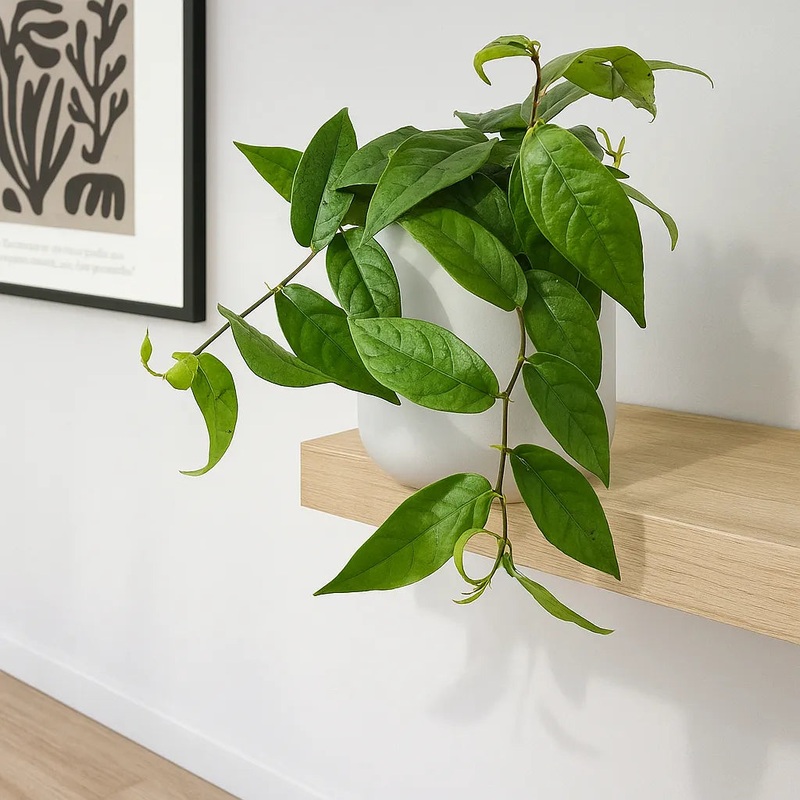
Hoya heuschkeliana Variegata is a charming and compact tropical species admired for its creamy variegation, waxy leaves, and fragrant pink blooms. A variegated form of Hoya heuschkeliana, this delightful plant is native to the Philippines, where it grows as an epiphyte in warm, humid forests.
The oval leaves are small, thick, and slightly cupped, marbled with green, cream, and pale yellow tones. New growth often emerges with a soft pink blush when grown in bright light, adding warmth to its pastel palette. When mature, the plant produces clusters of rosy-pink, star-shaped flowers with a rich, honey-caramel scent that fills the air during the evening.
Compact, cascading, and easy to grow, Hoya heuschkeliana Variegata is perfect for hanging pots, high shelves, or small trellises. Its combination of variegated foliage and sweetly scented blooms makes it a standout addition to any Hoya collection.
Thrives in bright, indirect light. Morning or late-afternoon sun enhances the pink and cream variegation and encourages flowering. Avoid harsh midday sun, which can scorch the leaves, and low light, which may dull the variegation.
Water when the top 34 cm of soil feels dry. This species prefers light, consistent moisture but does not tolerate soggy soil. Use room-temperature water and ensure excellent drainage. In winter, allow the soil to dry slightly more between waterings.
Temperature: Ideal range 1828C; avoid temperatures below 15C and protect from cold draughts.
Humidity: Prefers moderate to high humidity (6080%). Occasional misting or a nearby humidifier will keep the plant lush and help support flowering.
Use a free-draining, airy substrate such as orchid bark, perlite, and coco coir or a specialist Hoya mix. The roots like airflow and benefit from being slightly root-bound. Repot every 23 years in spring to refresh the mix.
Feed every 46 weeks during the growing season (spring and summer) with a diluted, balanced liquid fertiliser or a bloom booster high in phosphorus to encourage flowering. Stop feeding in autumn and winter.
Trim long vines to maintain shape and encourage branching. Avoid cutting the peduncles (flower spurs), as new blooms will reappear from these year after year. Wipe leaves gently with a soft cloth to remove dust and highlight their variegation.
A compact, trailing grower that typically reaches 4060 cm in length. Mature plants flower freely when provided with warmth, bright light, and consistent humidity. Each vine can produce multiple umbels of sweetly fragrant blooms throughout the year.
Yellowing leaves: Overwatering or poor drainage.
Faded variegation: Too little light.
Wrinkled leaves: Underwatering or very low humidity.
Pests: May attract mealybugs or aphids; remove manually and treat with neem oil if needed.
Hoya heuschkeliana Variegata originates from the tropical forests of the Philippines, where it grows as an epiphyte on tree trunks and branches. Its compact growth, small glossy leaves, and sweetly scented blooms make it a popular choice for collectors with limited space.
This variegated form adds an extra layer of ornamental beauty, with creamy-white and pale green leaves that brighten interior displays. Like all Hoyas, it is an air-purifying plant, helping to remove toxins from the air while releasing oxygen at night a perfect choice for bedrooms or relaxation spaces.
Light: Bright, indirect light; soft morning sun preferred
Water: Let top 34 cm of soil dry before watering
Temperature: 1828C; avoid below 15C
Humidity: Moderate to high (6080%)
Soil: Airy, free-draining mix bark, perlite, coco coir
Feed: Every 46 weeks in spring/summer
Growth: Compact trailing vine, 4060 cm; variegated green, cream, and pink leaves with fragrant pink blooms
Toxicity note: Contains mild latex sap that can irritate skin and is toxic if ingested. Keep away from pets and children.
Display Hoya heuschkeliana Variegata in a hanging pot or high planter where its cascading vines can spill naturally. Its pale leaves and pink flowers pair beautifully with darker-toned Hoyas such as Hoya finlaysonii Sarawak or Hoya krohniana Silver, creating a visually balanced tropical arrangement full of texture and contrast.