
$27.99
$34.99
50% OFF! Hot items selling fast—Grab them before they're gone!

 Unconditional Satisfaction GuaranteeNo Shipping Fees Above 302 Months to Decide. Returns Simplified.
Rhaphidophora puberula Variegata is an exceptionally rare variegated form of the tropical climbing aroid Rhaphidophora puberula, belonging to the Araceae family. Native to Southeast Asia, Rhaphidophora species are close relatives of Monstera and Epipremnum, admired for their vigorous growth and dramatic foliage.
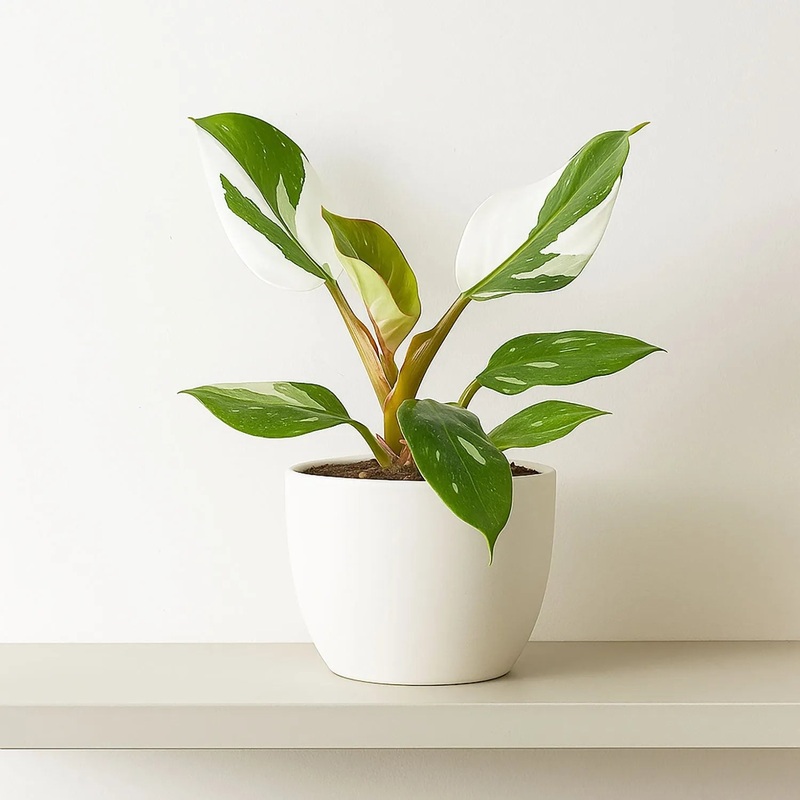
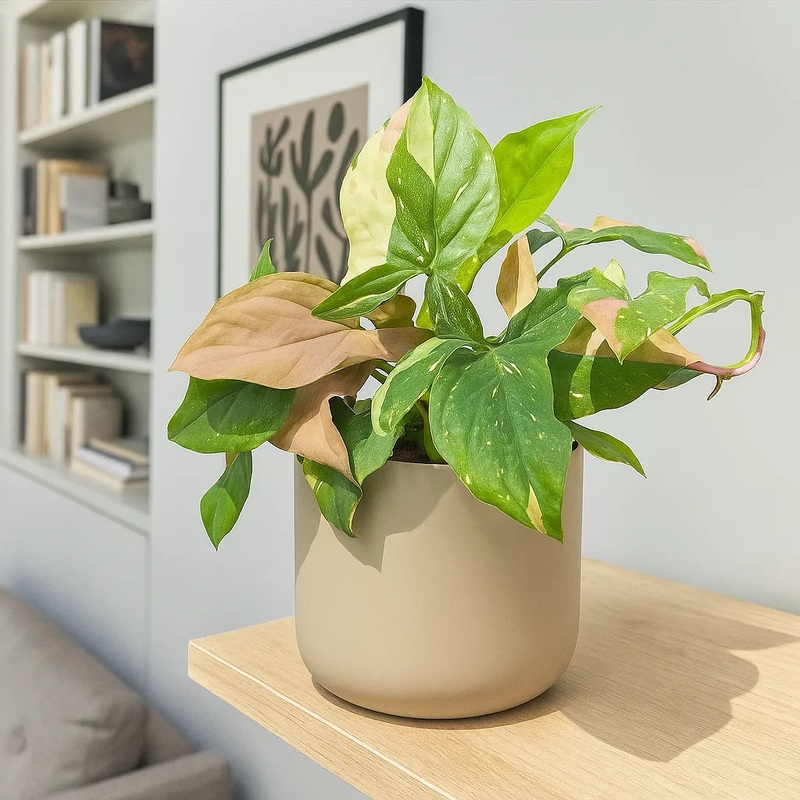
The variegated form is particularly striking. Its glossy, elongated, heart-to-oval shaped leaves are splashed, marbled, or sectorally patterned with creamy white, pale yellow, or minty variegation across the deep emerald base. Each leaf is unique some display delicate marbling while others produce bold half-moon or sectoral patterns.
Like most Rhaphidophora, it is a natural climber, producing aerial roots that cling to trees in the wild. Indoors, it thrives when trained up a moss pole, totem, or climbing board, where its foliage becomes larger and its variegation more pronounced.
Requires bright, indirect light to maintain strong variegation. Too little light may cause the plant to revert to green, while direct sun can scorch the pale leaf sections.
Water when the top 23 cm of soil feels dry. Keep soil lightly moist during the growing season but never soggy. In winter, reduce watering slightly as growth slows.
Temperature: Thrives in 1828C. Protect from draughts and avoid temperatures below 15C.
Humidity: Prefers high humidity (60%+). Mist occasionally, use a pebble tray, or place near a humidifier to replicate its rainforest environment.
Use a chunky, well-draining aroid mix peat-free compost blended with orchid bark, perlite, and coco coir. Repot every 12 years in spring to refresh the mix and provide space for root development.
Apply a balanced liquid fertiliser every 23 weeks in spring and summer. Reduce feeding in autumn and stop in winter.
Prune lightly to shape and encourage bushiness. Train onto a moss pole or climbing board for larger, more dramatic leaves. Stem cuttings propagate well in water, moss, or soil.
A moderately fast-growing climbing aroid. Juvenile leaves are smaller and simpler, but with maturity and climbing support, the plant produces larger, more variegated foliage.
Loss of variegation: Caused by insufficient light.
Yellowing leaves: Overwatering or poor drainage.
Brown leaf tips: Low humidity or inconsistent watering.
Pests: Occasionally mealybugs, thrips, or spider mites.
Rhaphidophora puberula is a rarely cultivated species, and the variegated form is even more unusual, making it a highly collectable aroid. Its dramatic marbling and vigorous climbing habit make it a living centrepiece in any tropical houseplant collection.
Quick Care Summary
Light: Bright, indirect; avoid harsh direct sun
Water: Keep lightly moist; allow topsoil to dry slightly
Temperature: 1828C; protect below 15C
Humidity: High (60%+ recommended)
Soil: Chunky, free-draining aroid mix
Feed: Every 23 weeks in spring/summer
Growth: Climbing aroid; glossy green leaves marbled with creamy-white/yellow variegation