$27.99
$34.99
50% OFF! Hot items selling fast—Grab them before they're gone!

 Unconditional Satisfaction GuaranteeNo Shipping Fees Above 302 Months to Decide. Returns Simplified.
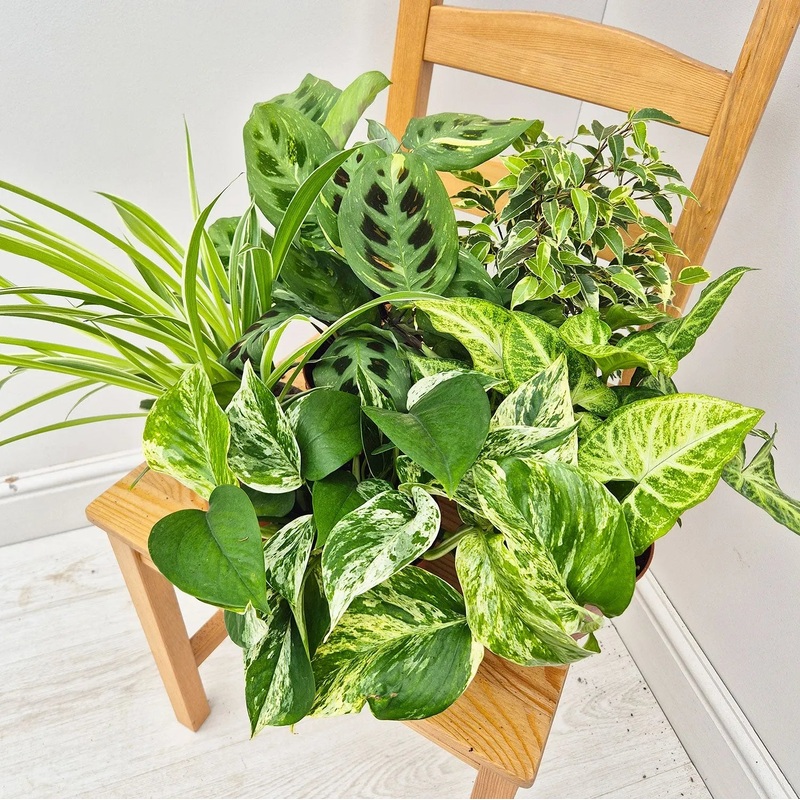
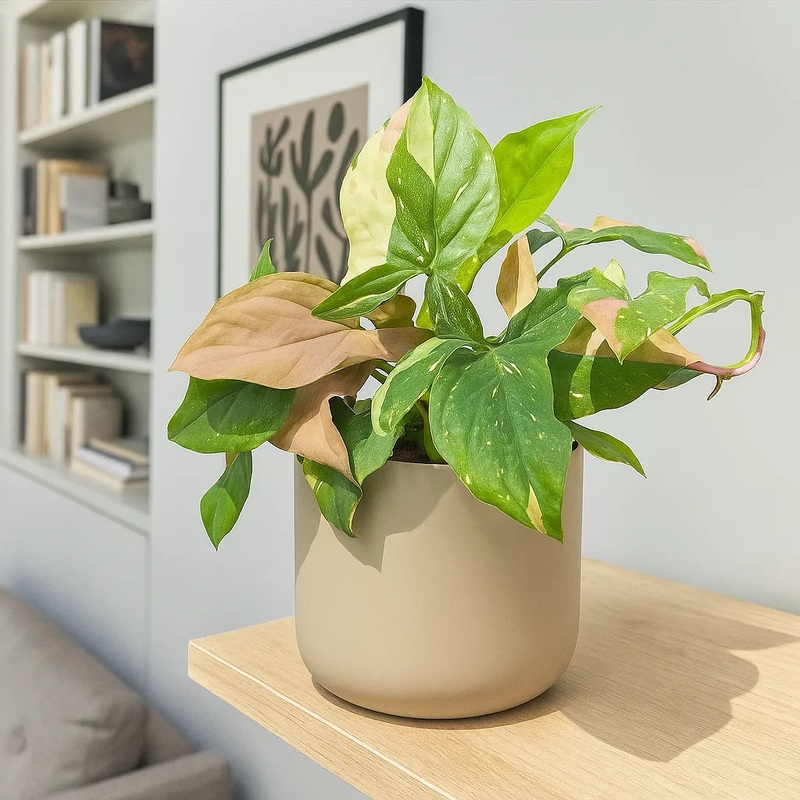
Philodendron hederaceum Oxycardium Variegata is a stunning variegated form of the classic Heartleaf Philodendron, celebrated for its creamy white, lime, and green marbled foliage. Native to the tropical rainforests of Central and South America, this climbing aroid is a timeless favourite for its beauty, adaptability, and low-maintenance nature.
The heart-shaped leaves are soft and glossy, each one uniquely patterned with splashes, streaks, or half-moon variegation in tones ranging from pale cream to vibrant lime green. The plants cascading vines make it perfect for hanging baskets or trained up a moss pole, where the leaves can grow larger and develop even more striking variegation.
Elegant and forgiving, Philodendron hederaceum Oxycardium Variegata brings light and movement into any interior space. Its combination of ease and beauty makes it an ideal choice for collectors and beginners alike.
Prefers bright, indirect light to maintain strong variegation. A few hours of soft morning or late-afternoon sun will enhance colour contrast. Too little light can cause the variegation to fade, while strong, direct sun may scorch the pale portions of the leaves.
Keep the soil lightly moist but not soggy. Water when the top 23 cm of the mix feels dry. This Philodendron tolerates short dry spells but dislikes waterlogging. In winter, reduce watering slightly as growth slows. Always ensure the pot has drainage holes.
Temperature: Thrives in warm conditions between 1828C. Protect from draughts and avoid temperatures below 15C.
Humidity: Prefers moderate to high humidity (5070%). Mist occasionally, use a humidifier, or group with other tropical plants to maintain a stable environment.
Use a well-aerated, free-draining aroid mix a combination of compost, orchid bark, perlite, and coco coir works perfectly. This ensures airflow around the roots while retaining light moisture. Repot every 12 years in spring when roots begin to fill the container.
Feed every 46 weeks during spring and summer with a diluted balanced fertiliser. A fertiliser containing magnesium and calcium will help maintain leaf health and colour intensity. Pause feeding in autumn and winter.
Trim leggy or overlong vines to encourage branching and a fuller appearance. Remove any yellow or damaged leaves at the base. Wipe the foliage gently with a soft, damp cloth to remove dust and keep its natural sheen.
A moderately fast grower that can reach 12 metres in length when trailing or climbing. Given support, the leaves may enlarge and display more prominent variegation as the plant matures. Regular pruning helps maintain a dense, bushy form.
Yellowing leaves: Overwatering or poor drainage.
Faded variegation: Insufficient light.
Brown edges: Low humidity or irregular watering.
Pests: Occasionally mealybugs or aphids; treat promptly with neem oil or insecticidal soap.
Philodendron hederaceum Oxycardium Variegata is part of a long-cultivated lineage of tropical climbers known for their heart-shaped leaves and climbing habit. The variegated form offers a more decorative twist on the classic green variety, with its bright, light-reflective foliage perfect for brightening shaded corners.
Like other Philodendrons, it is a natural air purifier, helping remove toxins such as formaldehyde and xylene from indoor air. Its forgiving nature and tolerance for indoor conditions make it a staple of tropical interior design and a must-have in any modern plant collection.
Light: Bright, indirect light; avoid strong direct sun
Water: Keep soil lightly moist; allow top 23 cm to dry
Temperature: 1828C; avoid below 15C
Humidity: Moderate to high (5070%)
Soil: Airy aroid mix compost, bark, perlite, coir
Feed: Every 46 weeks in spring/summer
Growth: Trailing or climbing vine, 12 m; creamy, lime, and green variegated heart-shaped leaves
Toxicity note: Contains calcium oxalate crystals and is toxic if ingested. Keep away from pets and children.
Display Philodendron hederaceum Oxycardium Variegata in a hanging pot, on a shelf, or climbing a moss pole to show off its cascading vines and bright, patterned leaves. It pairs beautifully with darker green species such as Philodendron micans or Ficus elastica Robusta for a rich, layered tropical display.