$7.19
$8.99
50% OFF! Hot items selling fast—Grab them before they're gone!

 Unconditional Satisfaction GuaranteeNo Shipping Fees Above 302 Months to Decide. Returns Simplified.
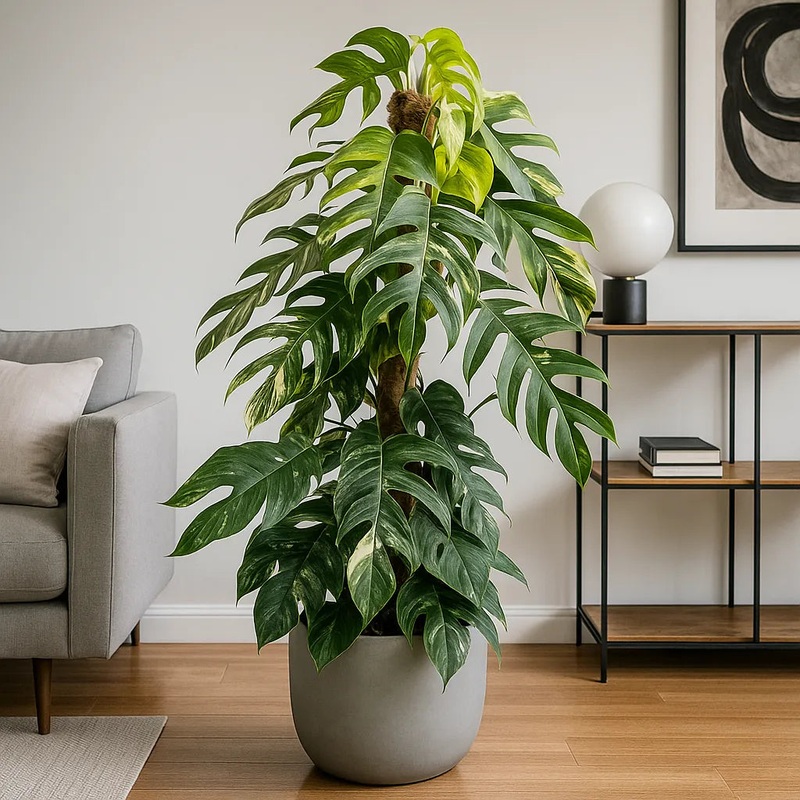
Alocasia Batwing is a striking tropical aroid known for its bold, angular leaves that resemble the outstretched wings of a bat. A member of the Araceae family and native to the humid rainforests of Southeast Asia, this dramatic species is a favourite among collectors for its unique leaf shape, upright form, and sculptural presence.
The dark green, arrow-shaped leaves have pronounced veins and a slightly leathery texture, with a glossy finish that gives them a sophisticated, architectural look. As the plant matures, its foliage takes on sharper edges and deeper tones, evoking the elegance of bat wings in flight a trait that has made it one of the most distinctive Alocasia hybrids. Compact yet commanding, Alocasia Batwing brings a bold, tropical statement to any interior plant display.
Sculptural, mysterious, and effortlessly elegant, this variety embodies the essence of tropical design equal parts wild and refined.
Thrives in bright, indirect light. Avoid harsh direct sun, which can scorch the leaves, and overly dim conditions, which may result in smaller or fewer leaves. Filtered morning or late-afternoon sunlight through sheer curtains is ideal.
Keep the soil consistently moist but never soggy. Water when the top 23 cm of soil feels dry to the touch, and ensure excess water drains freely. Alocasia Batwing dislikes sitting in water but is also sensitive to prolonged dryness. During cooler months, reduce watering slightly to match slower growth.
Temperature: Prefers warmth between 1828 C; avoid temperatures below 15 C. Protect from drafts and sudden temperature changes.
Humidity: High humidity (6080%) keeps the foliage lush and healthy. Mist regularly, use a humidifier, or place near other tropical plants to create a microclimate.
Use a well-draining, moisture-retentive mix compost combined with perlite, orchid bark, and coco coir works beautifully. This provides both aeration and steady moisture. Repot every 12 years in spring to refresh the soil and accommodate root growth.
Feed every 46 weeks in spring and summer with a diluted, balanced liquid fertiliser. Over-fertilising can cause root burn or leaf spotting, so feed sparingly. Suspend feeding in autumn and winter.
Remove older or yellowing leaves near the base to maintain a tidy appearance. Wipe leaves gently with a damp cloth to remove dust and reveal their sheen. Rotate the plant occasionally to ensure symmetrical growth.
A moderate grower, Alocasia Batwing typically reaches 6090 cm in height and spread indoors. The plant forms a compact clump with upright petioles that hold its striking, triangular leaves proudly. During winter dormancy, it may shed some foliage reduce watering and wait for fresh growth to return in spring.
Yellowing leaves: Overwatering or poor drainage.
Brown edges: Low humidity or inconsistent watering.
Drooping leaves: Cold air or underwatering.
Pests: Occasionally affected by spider mites or thrips treat promptly with neem oil or insecticidal soap while maintaining humidity.
Alocasia Batwing is thought to be a hybrid derived from tropical Alocasia species native to Borneo and the Philippines. Its dramatic, wing-like leaves make it an excellent conversation piece, while its compact growth habit ensures it fits well in both home and office spaces.
Beyond its ornamental appeal, this Alocasia contributes to improved indoor air quality and creates a lush, tropical atmosphere. Symbolically, its winged form represents protection, transformation, and mystery a fitting match for its shadowy, sophisticated appearance.
Light: Bright, indirect light; avoid direct sun
Water: Keep soil evenly moist; allow top few cm to dry
Temperature: 1828 C; avoid below 15 C
Humidity: High (6080%)
Soil: Moisture-retentive, well-draining mix compost, perlite, bark, coco coir
Feed: Every 46 weeks in spring/summer
Growth: 6090 cm tall; upright plant with dark green, angular bat wing leaves
Toxicity note: Toxic to pets and humans if ingested; may cause mouth and skin irritation.
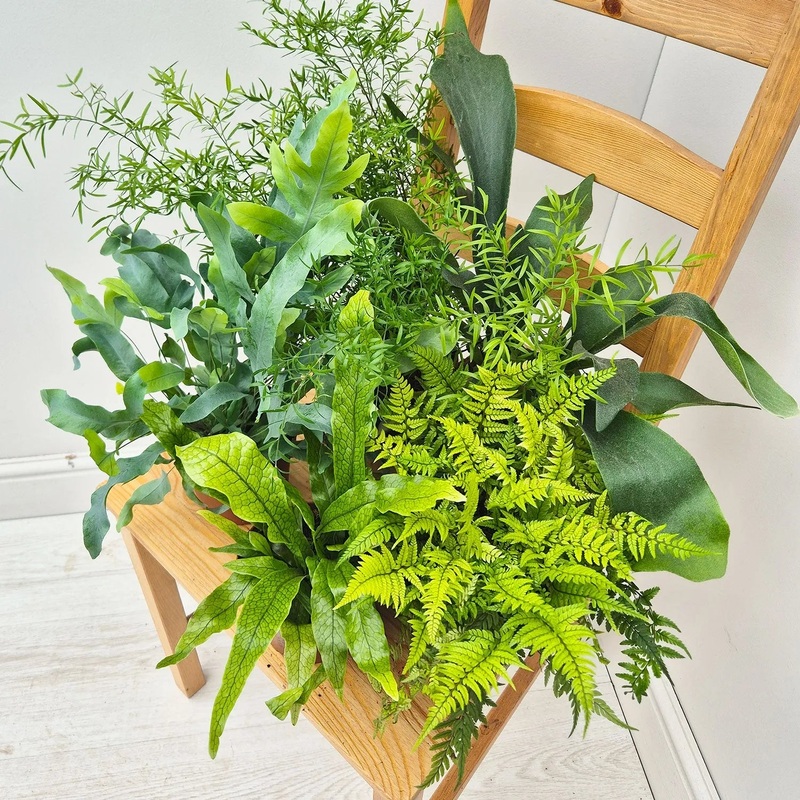
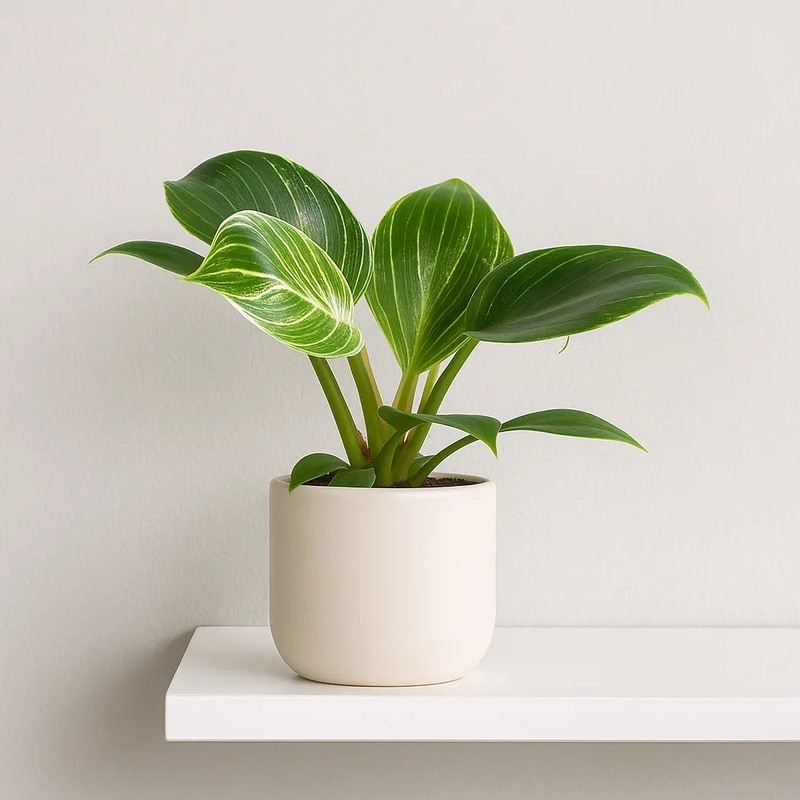
Showcase Alocasia Batwing as a feature plant in a bright living space, office, or conservatory. Its dramatic shape pairs beautifully with lighter foliage plants such as Philodendron Birkin, Phlebodium Blue Star, or Ficus altissima for contrast. For a contemporary look, use a matte black or stone-textured pot to echo its shadowy aesthetic. Ideal for collectors and design lovers, this Alocasia brings both structure and intrigue a living sculpture that elevates any tropical interior.