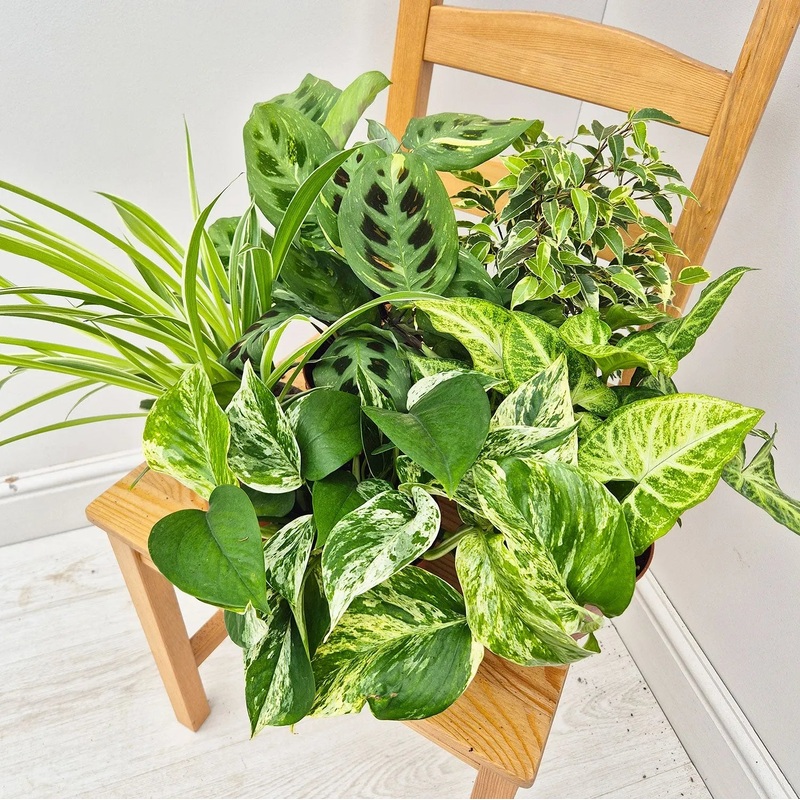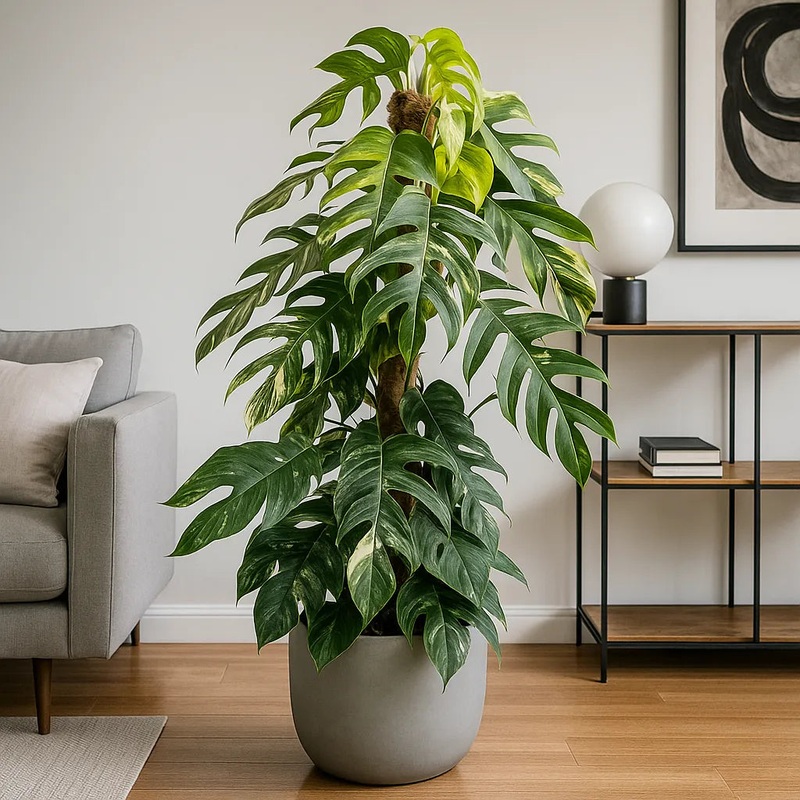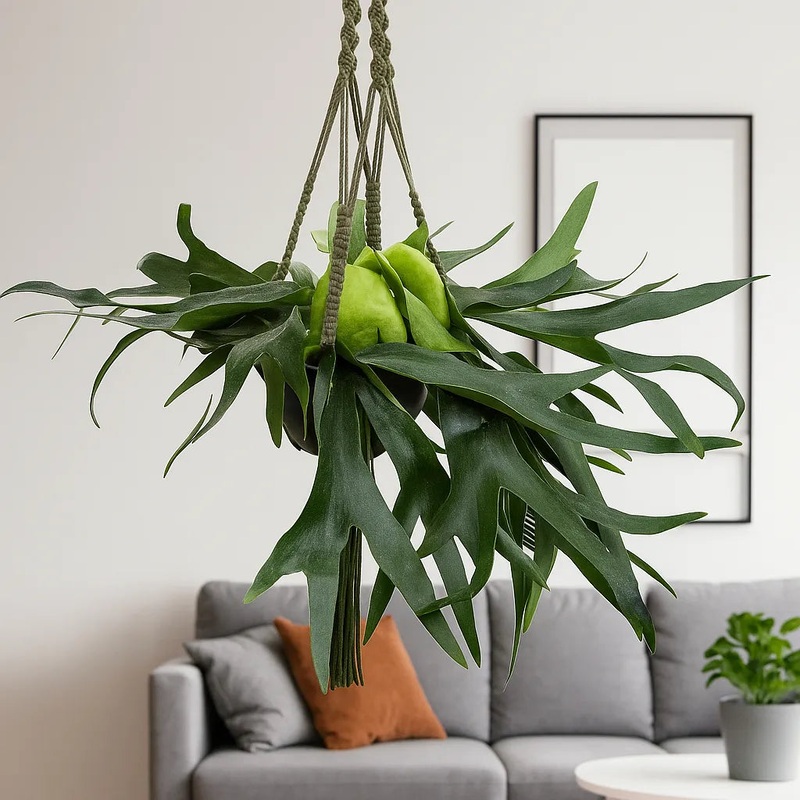
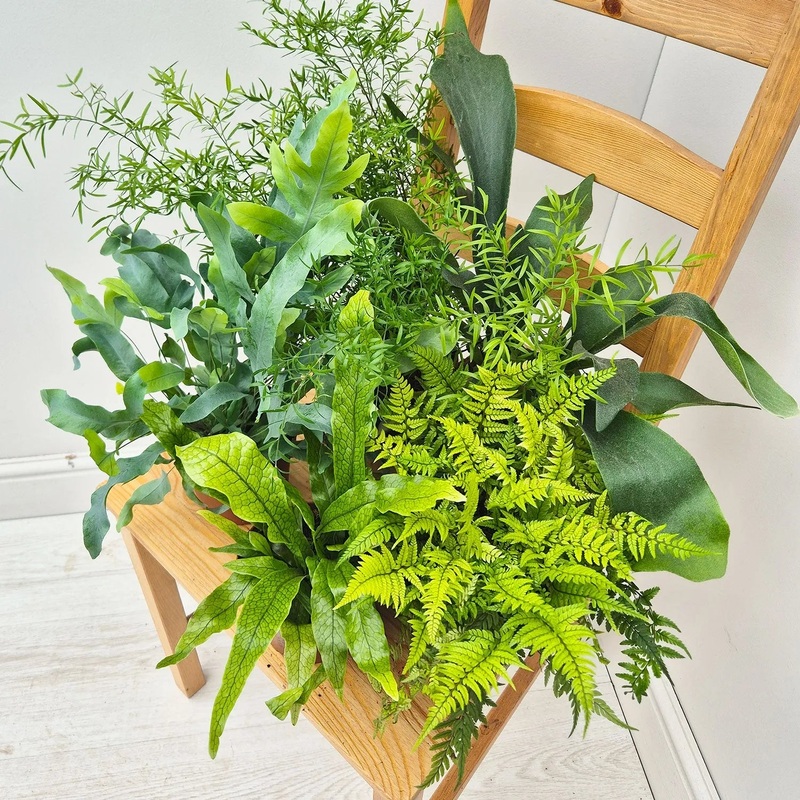
$31.96
$39.95
50% OFF! Hot items selling fast—Grab them before they're gone!

 Unconditional Satisfaction GuaranteeNo Shipping Fees Above 302 Months to Decide. Returns Simplified.
Chlorophytum comosum Vittatum, commonly known as the Variegated Spider Plant, is one of the most recognisable and best-loved houseplants in the world. Native to South Africa and belonging to the Asparagaceae family, this variety is prized for its striking, striped leaves and its exceptional resilience, making it perfect for both beginners and experienced plant enthusiasts.
The Vittatum cultivar features long, arching leaves with a creamy-white central stripe bordered by fresh green margins. The plant forms a graceful rosette that produces trailing stems adorned with tiny white flowers and baby plantlets (spiderettes), which can be easily propagated. Its flowing, fountain-like habit gives it an elegant and lively appearance, ideal for hanging baskets, shelves, or pedestal planters.
Beyond its beauty, the Spider Plant is also one of the best air-purifying plants, known for removing common indoor toxins and improving air quality.
Thrives in bright, indirect light but adapts well to medium or low-light conditions. Avoid direct sunlight, which may cause the white stripe to fade or the leaf tips to brown.
Keep the soil lightly moist during the growing season, watering when the top 23 cm feels dry. Avoid letting the plant sit in water. In winter, allow the soil to dry slightly more between waterings. Spider Plants prefer consistent moisture but will tolerate short dry periods.
Temperature: Prefers 1826C. Protect from draughts and cold below 10C.
Humidity: Adapts well to average indoor humidity but benefits from occasional misting during dry months.
Use a free-draining, peat-free compost. A mix enriched with perlite or sand improves aeration and prevents soggy soil. Repot every 12 years in spring, as Chlorophytum grows quickly and may become root-bound.
Feed every 24 weeks during spring and summer with a balanced liquid fertiliser. No feeding is necessary in winter.
Remove any brown or damaged leaf tips using clean scissors. Trim off spent flower stems if desired, or leave them to produce new baby plants. Spiderettes can be easily propagated by placing them in water or directly into moist soil.
A fast-growing, clump-forming plant that reaches around 3045 cm tall and wide, with trailing stems extending much further. Over time, it produces multiple offshoots that can be divided and replanted.
Brown leaf tips: Caused by hard tap water, low humidity, or over-fertilisation. Use filtered or rainwater if possible.
Yellowing leaves: Overwatering or poor drainage.
Pests: Occasionally mealybugs or aphids; wipe leaves regularly to prevent infestations.
The Spider Plant has been a staple in households worldwide for over a century, loved for its adaptability and timeless beauty. The Vittatum variety remains a favourite thanks to its crisp, white-striped foliage and cascading growth. Its also a pet-safe, air-purifying plant, proven to absorb indoor toxins like formaldehyde and xylene a perfect combination of form and function.
Quick Care Summary
Light: Bright, indirect; tolerates low light
Water: Lightly moist; let topsoil dry slightly
Temperature: 1826C; protect below 10C
Humidity: Average indoor; mist occasionally
Soil: Free-draining, peat-free compost
Feed: Every 24 weeks in spring/summer
Growth: Fast-growing rosette, 3045 cm; long, arching green leaves with white central stripe
Pet-Friendly Note:
Chlorophytum comosum Vittatum is non-toxic to cats, dogs, and humans making it an excellent choice for pet-friendly households.
Styling Tip:
Display Chlorophytum Vittatum in a hanging planter or on a high shelf to showcase its flowing, variegated foliage and cascading baby plants a timeless way to bring vitality and movement into any space.