$27.99
$34.99
50% OFF! Hot items selling fast—Grab them before they're gone!

 Unconditional Satisfaction GuaranteeNo Shipping Fees Above 302 Months to Decide. Returns Simplified.
Epiphyllum anguliger, commonly known as the Fishbone Cactus, Zig-Zag Cactus, or Ric Rac Cactus, is a striking tropical epiphytic cactus native to the rainforests of Mexico. Unlike desert-dwelling cacti, this unique species grows high in tree canopies, where its cascading, deeply lobed stems absorb filtered sunlight and moisture from the air.
Its long, flat, zig-zag stems shaped like fishbones create a beautifully sculptural, architectural effect, making it a favourite among interior stylists and collectors. In ideal conditions, Epiphyllum anguliger may produce fragrant, night-blooming flowers in shades of white to pale yellow, adding a touch of mystery to its exotic appeal.
Easy to grow and truly one of a kind, the Fishbone Cactus combines the low-maintenance nature of a cactus with the lush, tropical feel of a hanging plant perfect for both modern and bohemian interiors.
Thrives in bright, indirect light. It prefers dappled sunlight similar to its rainforest canopy origins. Too much direct sun can cause yellowing or sunburn, while too little light may slow growth. A bright east- or north-facing window is ideal.
Water when the top 23 cm of soil feels dry. Keep the soil lightly moist in spring and summer but never soggy. In winter, reduce watering frequency, allowing the soil to dry more between waterings. Always ensure the pot drains freely overwatering is the most common cause of problems.
Temperature: Prefers warmth between 1828 C. Avoid cold drafts and temperatures below 10 C.
Humidity: Moderate to high humidity (5070%) suits it best. Mist occasionally or place near other tropical plants to maintain moisture in the air.
Use a free-draining mix that retains some moisture cactus or orchid compost mixed with perlite and coco coir works perfectly. This mimics its natural epiphytic environment. Repot every 23 years in spring to refresh the soil and give roots room to grow.
Feed monthly in spring and summer with a diluted, balanced liquid fertiliser or a cactus feed high in potassium to promote healthy growth and flowering. Stop feeding in autumn and winter.
Trim older or overly long stems to maintain shape and encourage new branching. Cuttings can be easily propagated by allowing them to callus for a few days before placing in moist, well-draining soil. Wipe stems occasionally with a damp cloth to remove dust.
A moderately fast grower, Epiphyllum anguliger can reach 3060 cm in height and 1 metre in trailing length indoors. Mature plants may produce stunning, fragrant flowers in late summer or autumn, though flowering indoors requires consistent light and humidity.
Yellowing stems: Overwatering or too much direct sunlight.
Wrinkled stems: Underwatering or low humidity.
No flowers: Insufficient light or feeding.
Pests: Occasionally affected by mealybugs or spider mites treat with neem oil or insecticidal soap.
Native to the tropical forests of Mexico, Epiphyllum anguliger grows as an epiphyte, anchoring itself to trees while drawing nutrients from organic debris and moisture in the air. Its unusual zig-zag stems evolved to maximise light capture in shaded rainforest conditions.
Highly decorative and low-maintenance, its a perfect plant for beginners and collectors alike. While not known for significant air purification, its unique silhouette makes it an instant design feature. Symbolically, the Fishbone Cactus represents creativity and adaptability thriving in the unexpected.
Light: Bright, indirect light; avoid harsh direct sun
Water: Keep soil lightly moist; allow top few cm to dry
Temperature: 1828 C; avoid below 10 C
Humidity: Moderate to high (5070%)
Soil: Free-draining mix cactus, perlite, coco coir
Feed: Monthly in spring/summer
Growth: 3060 cm tall, 1 m trailing; zig-zag green stems, occasional white blooms
Toxicity note: Non-toxic to humans and pets.
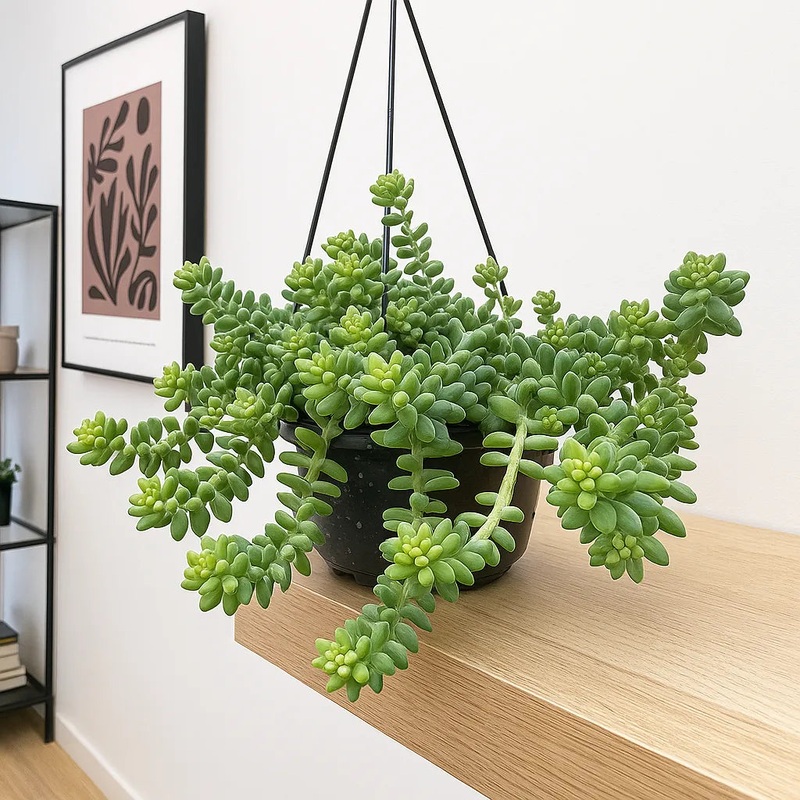
Display Epiphyllum anguliger in a hanging planter, macram basket, or on a high shelf where its zig-zag stems can cascade naturally. For a sculptural, modern look, plant it in a minimalist ceramic pot and let it spill dramatically over the sides. Pair it with round-leaved plants like Peperomia polybotrya or Pilea peperomioides to contrast its angular texture. Perfect for kitchens, living rooms, or bright bathrooms, the Fishbone Cactus adds quirky, tropical character and a dash of artistic flair to any space.