$31.99
$39.99
50% OFF! Hot items selling fast—Grab them before they're gone!

 Unconditional Satisfaction GuaranteeNo Shipping Fees Above 302 Months to Decide. Returns Simplified.
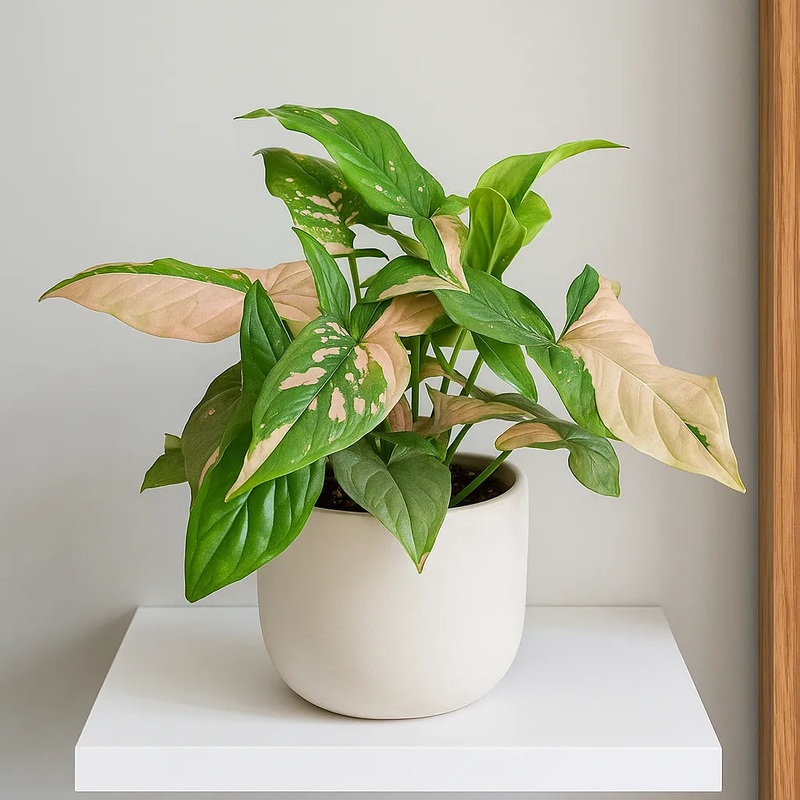
Schismatoglottis Wallichii is a popular tropical houseplant that is native to Southeast Asia. It is known for its stunning foliage, characterized by vibrant veins on dark green leaves, making it a great addition to any indoor garden or botanical collection.
Light Requirements:
Schismatoglottis Wallichii thrives in bright, indirect light. It should be placed in a location where it can receive filtered light throughout the day. Avoid exposing it to direct sunlight as it can scorch the leaves. A north or east-facing window is usually ideal for this plant.
Temperature and Humidity:
These plants prefer warm and humid conditions similar to their natural habitat. Ideal temperatures range between 65?F to 85?F (18?C to 29?C). Avoid placing it in areas with cold drafts or temperature fluctuations. A humidity level of around 50% to 70% is optimal for this plant. You can increase humidity by using a humidifier, placing the pot on a tray filled with water and pebbles, or misting it regularly.
Watering:
Schismatoglottis Wallichii prefers consistently moist soil, but it should not be waterlogged. Allow the top inch of soil to dry out slightly between waterings. It is important to ensure good drainage, as sitting in water can lead to root rot. During the growing season (spring and summer), water the plant more frequently, reducing the frequency during the dormant period (fall and winter).
Soil:
A well-draining, peat-based potting mix is recommended for Schismatoglottis Wallichii. You can create a suitable mix by combining equal parts of peat moss, perlite, and orchid bark. This will help maintain adequate moisture without the risk of waterlogging.
Fertilizer:
During the active growing season, fertilize your Schismatoglottis Wallichii every two to four weeks with a balanced, water-soluble fertilizer diluted to half strength. Avoid fertilizing during the dormant period. Always follow the instructions on the fertilizer packaging to prevent overfeeding, which can burn the plant’s roots.
Pruning:
Pruning is not typically necessary for Schismatoglottis Wallichii. However, you can remove any yellowing or damaged leaves to maintain the plant’s appearance and overall health. Trim off any spent flowers or stems to redirect the plant’s energy towards new growth.
Propagation:
Schismatoglottis Wallichii can be propagated through division. When repotting, carefully separate the plant by gently pulling apart the roots or using a clean, sharp knife. Ensure that each division has several healthy roots and leaves. Plant the divisions in separate pots using fresh potting mix, keeping the soil moist until new growth appears.
Pests and Diseases:
Schismatoglottis Wallichii is generally a hardy houseplant, but it can be susceptible to common pests such as spider mites, scale insects, and mealybugs. Regularly inspect the plant for signs of infestation, such as webbing, tiny insects, or sticky residue on the leaves. If detected, treat the plant with an organic insecticidal soap or neem oil, following the instructions on the packaging.
In terms of diseases, root rot can occur if the plant is overwatered or if the soil does not have proper drainage. To prevent this, ensure the plant is potted in well-draining soil and avoid waterlogging. Additionally, maintaining good air circulation around the plant can help prevent fungal diseases.
In conclusion, Schismatoglottis Wallichii is an attractive and relatively low-maintenance houseplant that can bring a tropical touch to your indoor space. By providing the right amount of light, warmth, humidity, and water, along with occasional fertilization and basic care, you can enjoy the beauty of this plant for years to come.