$146.00
$3.00
50% OFF! Hot items selling fast—Grab them before they're gone!
 Unconditional Satisfaction GuaranteeNo Shipping Fees Above 302 Months to Decide. Returns Simplified.
Acer palmatum Asahi Zuru is a stunning variegated Japanese maple that brings a beautiful tapestry of colours to the garden. Its name translates roughly to Rising Sun Crane, reflecting the delicate, graceful effect of its foliage, which often combines soft pinks and creamy whites over green leaves.
Foliage: The main attraction is the strikingly variegated leaves, which typically display a blend of creamy white, pale pink and green. New growth emerges with pronounced pink tones that gradually mature to variegated green and cream. Throughout the growing season, leaves maintain their multicoloured interest, often picking up soft coral or blush tones.
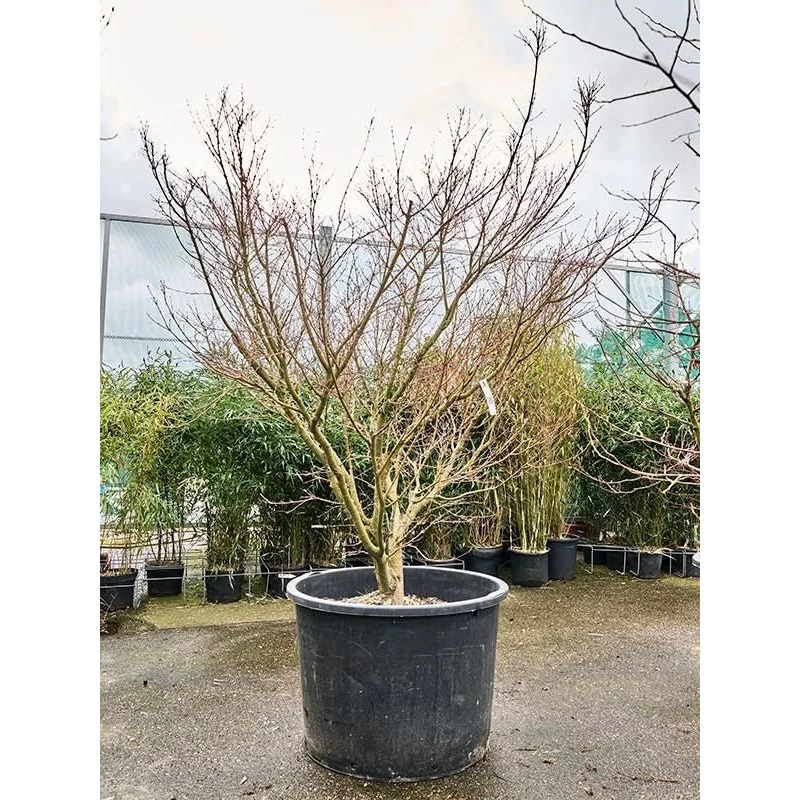
Habit: Forms a small, upright, bushy tree or large shrub, generally reaching 2.54 metres high, with a similar spread over many years. The branching is fine and elegant, creating a light, airy canopy.
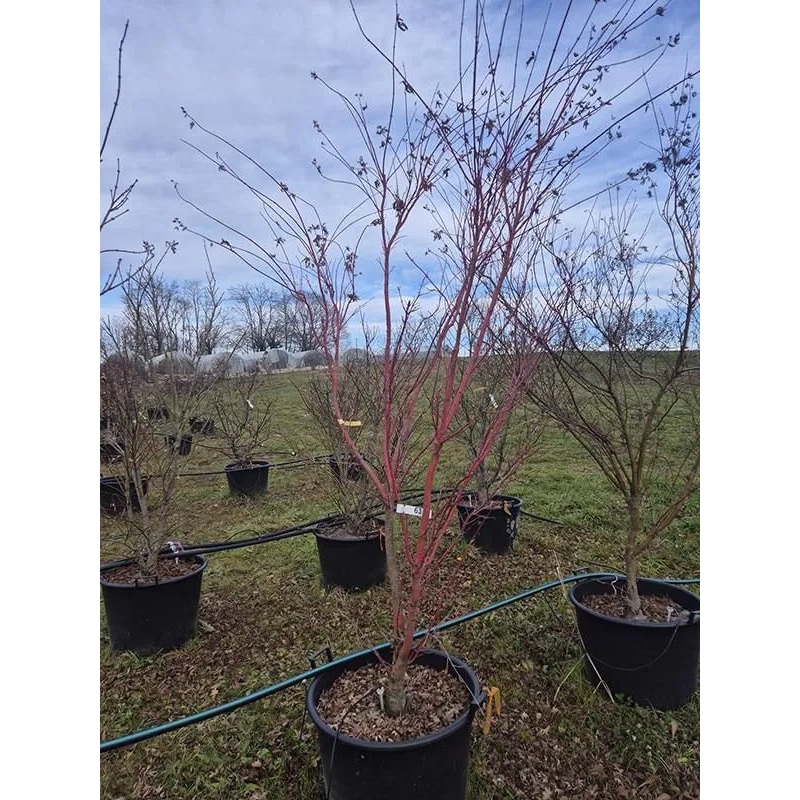
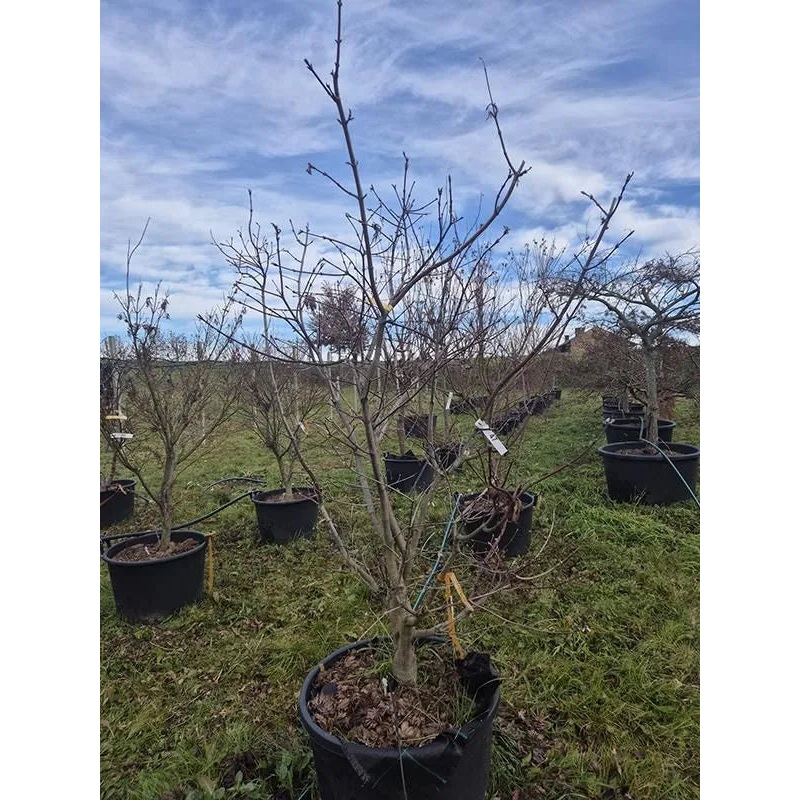
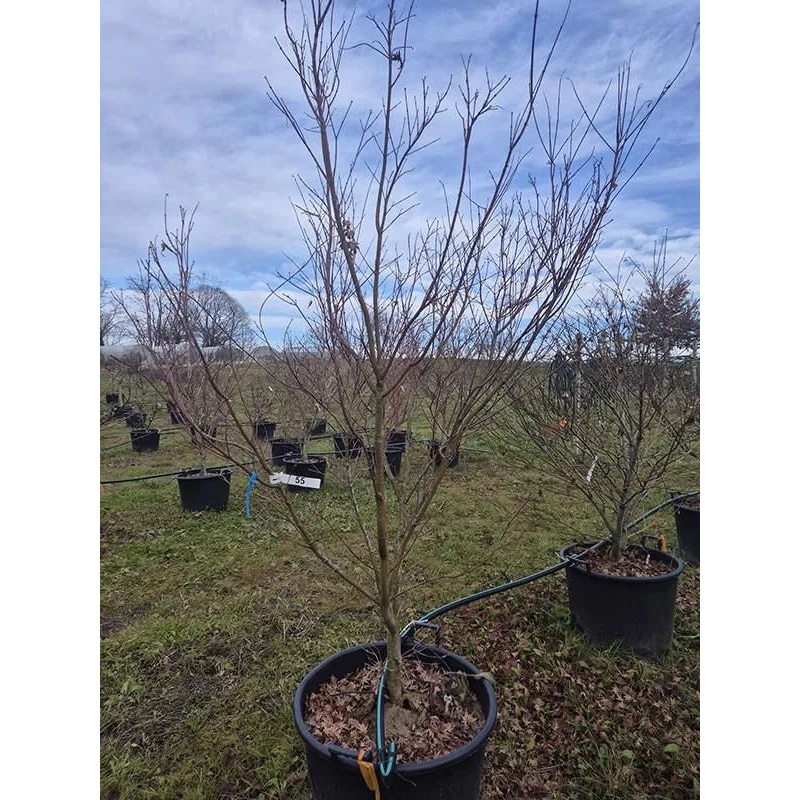
Bark: Smooth grey-brown branches provide subtle winter interest once leaves have fallen.
This variety is perfect for bringing bright highlights into shady borders, as a specimen in small gardens, or as a striking container feature.
Prefers partial shade or dappled sunlight.
Needs protection from hot afternoon sun to prevent scorch on the delicate variegated leaves, especially the creamy and pink sections, which are more prone to browning.
Best planted in a sheltered position, protected from cold, drying winds that can damage the fine leaf margins and cause leaf edges to brown.
Likes soil to be consistently moist but well-drained.
Water thoroughly during dry spells, particularly when newly planted or if grown in containers.
A mulch of compost or fine bark each spring helps retain moisture and keeps roots cool.
Prefers slightly acidic to neutral, fertile, humus-rich soil.
Avoid very alkaline or heavy clay soils. If needed, plant in raised beds or containers with ericaceous compost mixed with grit for improved drainage.
Feed lightly in spring with a balanced slow-release fertiliser or a specialist feed for acers.
Avoid high-nitrogen fertilisers, which encourage soft growth more vulnerable to wind and frost.
Requires minimal pruning.
Remove any reverted all-green shoots promptly to maintain strong variegation.
Tidy away dead, damaged or crossing branches in late autumn or winter while the tree is dormant.
Generally very healthy and low maintenance.
May occasionally suffer from aphids on soft new growth.
Leaf scorch (brown edges or tips) is usually due to drought, wind exposure or intense sun rather than disease.
Excellent choice for a large pot on a terrace or courtyard.
Use ericaceous compost with added grit, ensure containers drain freely, and raise pots on feet.
Water consistently and protect roots in harsh winters by wrapping or moving to a sheltered spot.