$148.00
$3.00
50% OFF! Hot items selling fast—Grab them before they're gone!
 Unconditional Satisfaction GuaranteeNo Shipping Fees Above 302 Months to Decide. Returns Simplified.
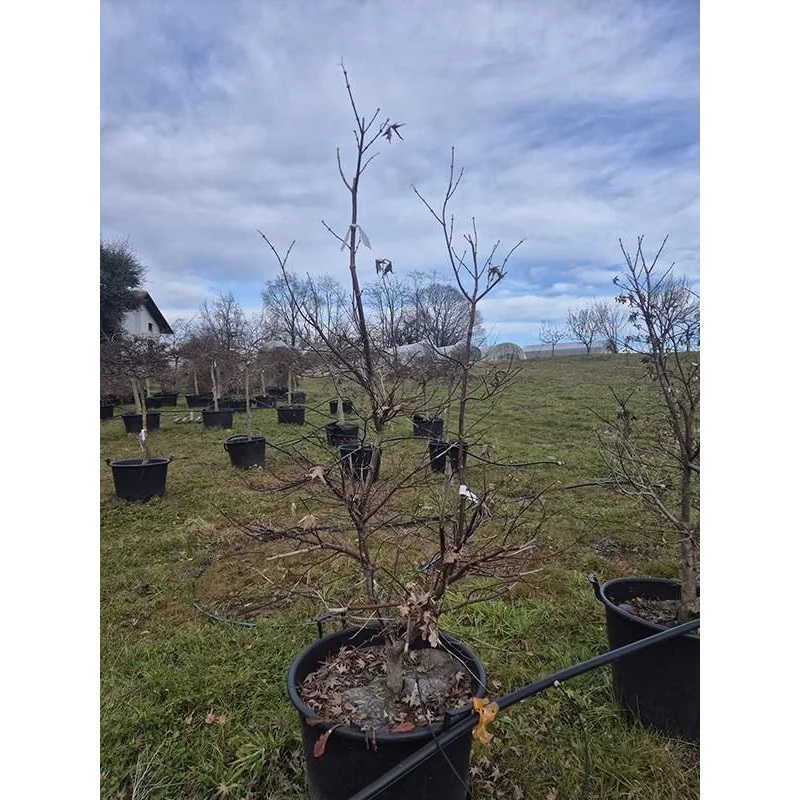
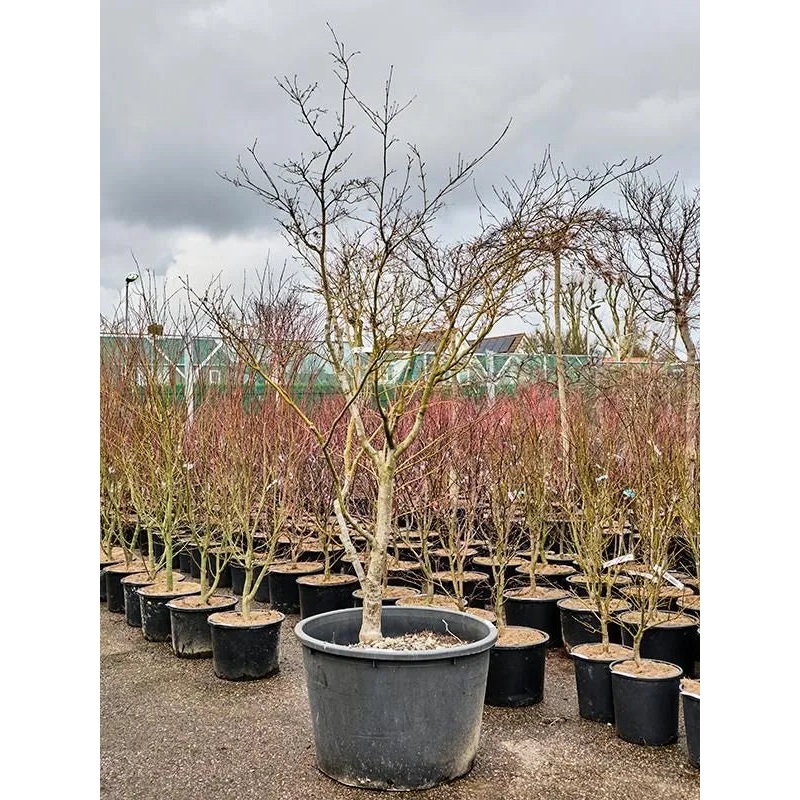
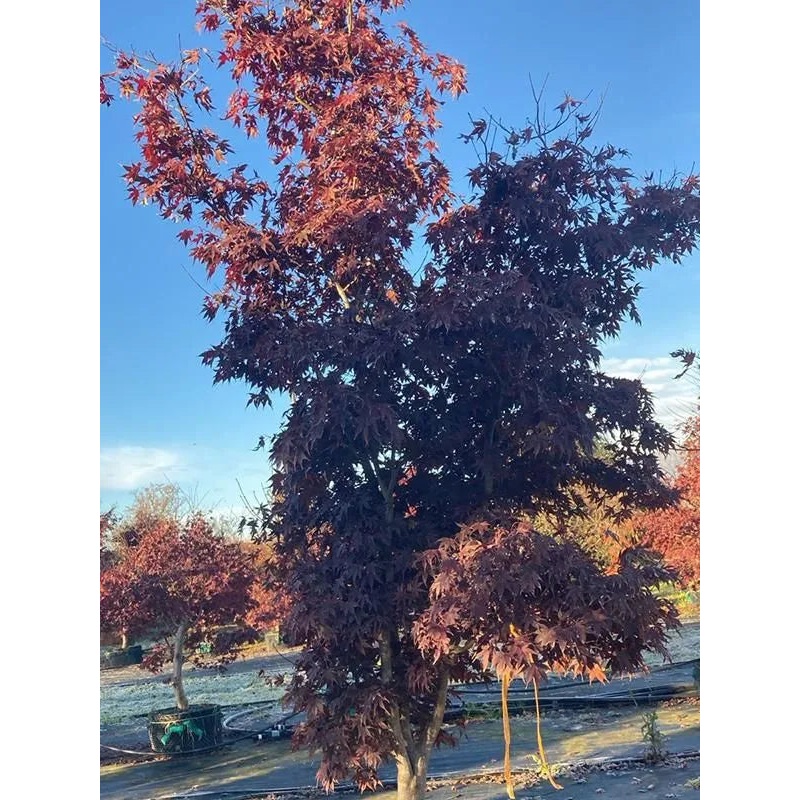
Acer palmatum Bloodgood is one of the most popular and reliable red-leaved Japanese maples, admired for its striking deep purple-red foliage, elegant shape, and excellent year-round interest. This cultivar is renowned for holding its colour well throughout the growing season, unlike many others that fade to green.
Foliage: Broad, five- to seven-lobed palmate leaves emerge deep crimson in spring, mature to a rich purple-red through summer, and finally blaze to a bright scarlet in autumn. This consistent colour is one of Bloodgoods strongest assets.
Habit: A graceful, upright small tree, growing to around 46 metres high with a similar spread over many years, developing a rounded crown.
Bark: Smooth grey bark with subtle red undertones, adding gentle winter interest.
Its striking foliage makes Bloodgood an outstanding choice as a specimen tree in lawns, woodland edges, or as part of a mixed border. It also works well in larger pots on patios for adding height and drama.
Prefers partial shade or dappled sunlight, although Bloodgood is more sun-tolerant than many other red Japanese maples.
Morning sun with protection from hot afternoon sun is ideal to minimise leaf scorch.
Needs a sheltered spot, protected from strong winds that can shred the leaves.
Avoid planting in exposed, windy positions. Wind dries and damages the delicate leaf margins, especially in new growth.
Likes soil to be consistently moist but well-drained.
Water well during dry spells, especially when newly planted or grown in pots.
Apply a mulch of bark or compost in spring to keep roots cool and retain moisture.
Prefers slightly acidic to neutral, fertile, humus-rich soil.
Avoid very alkaline or heavy clay. If needed, improve soil with organic matter or plant in raised beds.
For pots, use ericaceous compost with added grit for drainage.
Feed lightly in spring with a balanced slow-release fertiliser or an acer-specific feed.
Avoid high-nitrogen fertilisers, which encourage soft growth more susceptible to wind or frost.
Minimal pruning required.
Remove any dead, damaged or crossing branches in late autumn or winter while the tree is dormant.
Avoid heavy cutting back, which disrupts the natural shape.
Generally very healthy and trouble-free.
May occasionally see aphids on tender new growth.
Leaf scorch (browning at the edges) usually results from drought, excessive sun or wind exposure rather than disease.
Grows well in large pots, ideal for patios or small gardens.
Use ericaceous compost with grit, ensure good drainage with pot feet, and water consistently.
In harsh winters, wrap pots or move to a sheltered spot to protect the roots.