
$148.00
$1.00
50% OFF! Hot items selling fast—Grab them before they're gone!
 Unconditional Satisfaction GuaranteeNo Shipping Fees Above 302 Months to Decide. Returns Simplified.
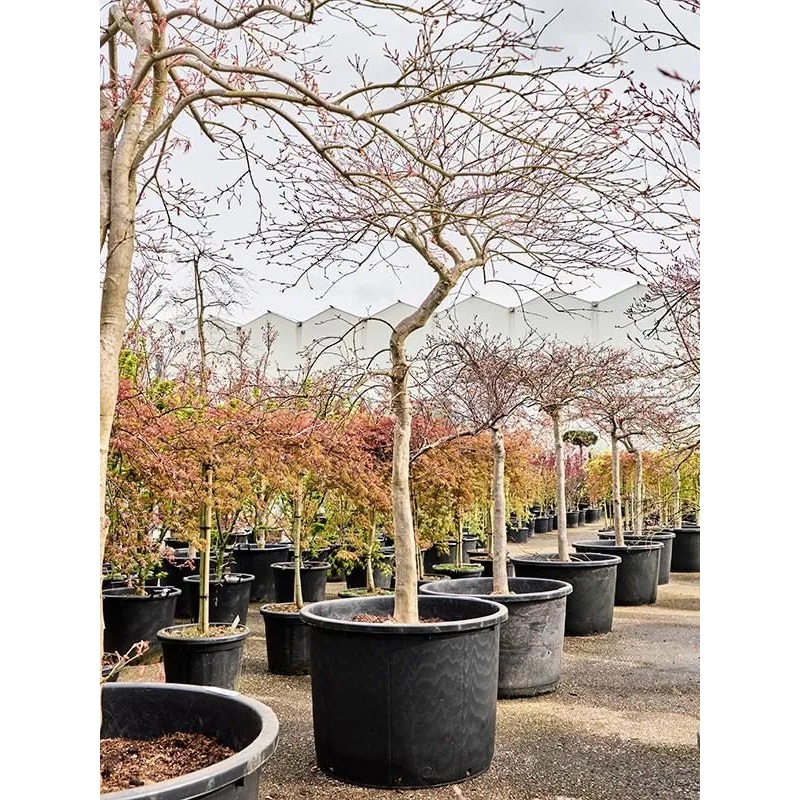
Acer palmatum Butterfly is a beautiful, elegant variegated Japanese maple, prized for its unique leaf colouring and fine, upright habit. Unlike many Japanese maples with red or purple foliage, Butterfly stands out with its soft variegation and compact, airy shape.
Foliage: Palmate leaves are finely divided and have an attractive grey-green base colour with creamy-white to silvery margins, sometimes tinged with delicate pink edges, especially on new growth. In autumn, foliage often takes on lovely shades of pink and crimson before falling.
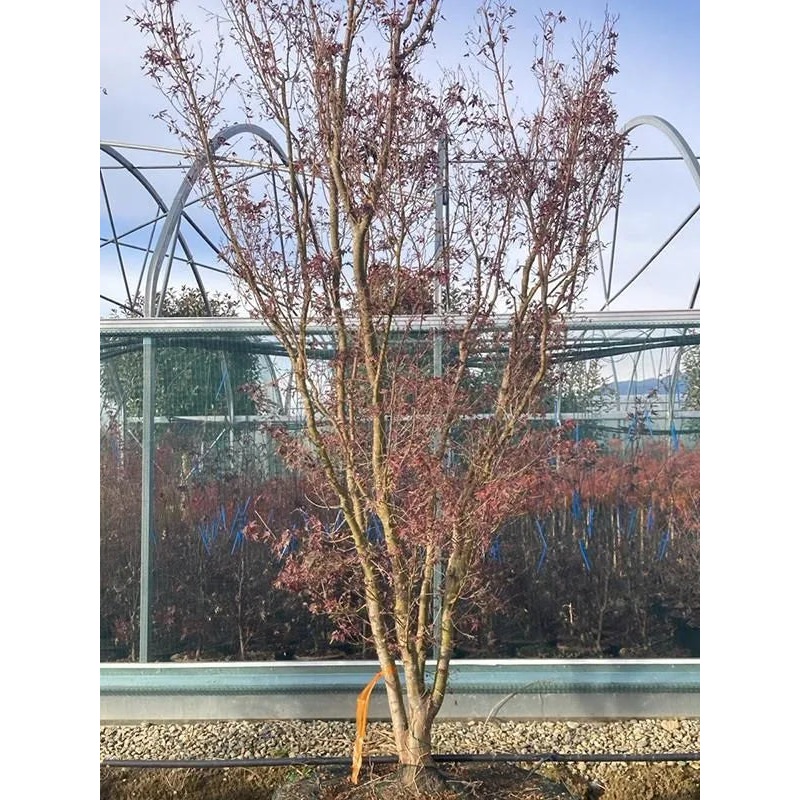
Habit: A slow-growing, upright small tree or large shrub, typically reaching 2.53.5 metres high with a slightly narrower spread, giving it a graceful, almost vase-like silhouette.
Bark: Smooth grey stems offer a neat winter framework.
Its refined variegation makes Butterfly a superb specimen tree in smaller gardens, courtyards, or Japanese-style plantings. It also looks stunning in large pots where the intricate leaves can be admired up close.
Prefers partial shade or dappled sunlight.
Too much hot sun can scorch the pale variegated edges, causing browning. Morning sun with afternoon shade is ideal.
Needs a sheltered spot away from strong winds to protect delicate leaves.
Important to plant in a position shielded from drying or cold winds, which can damage leaf tips or lead to leaf scorch.
Likes soil to be consistently moist but well-drained.
Water regularly during dry spells, especially in the first few years or if grown in a container.
Mulch annually in spring to conserve moisture and keep roots cool.
Prefers slightly acidic to neutral, fertile, humus-rich soil.
Avoid heavy clay or alkaline soils. In such conditions, grow in raised beds or large pots with ericaceous compost mixed with grit.
Feed lightly in spring with a balanced slow-release fertiliser or a specialist acer feed.
Avoid high-nitrogen feeds, which produce soft growth more prone to wind or frost damage.
Requires very little pruning.
Remove any dead, damaged, or crossing branches in late autumn or winter while dormant.
Avoid cutting back hard, which disrupts its natural shape.
Generally free from serious pests.
May occasionally attract aphids on tender new shoots.
Leaf scorch (browned tips) is usually from drought, strong winds, or intense sun exposure not disease.
Excellent choice for growing in a large pot, especially where soil isnt ideal.
Use ericaceous compost with added grit, ensure good drainage with pot feet, and water consistently.
In very cold spells, protect container roots by wrapping the pot or moving to a sheltered spot.