$146.00
$3.00
50% OFF! Hot items selling fast—Grab them before they're gone!
 Unconditional Satisfaction GuaranteeNo Shipping Fees Above 302 Months to Decide. Returns Simplified.
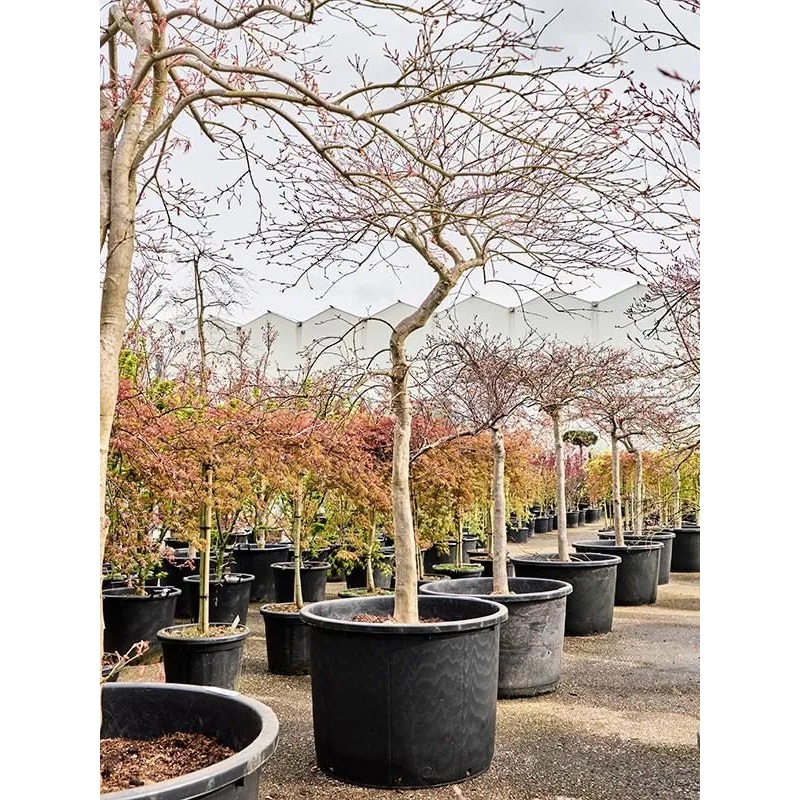
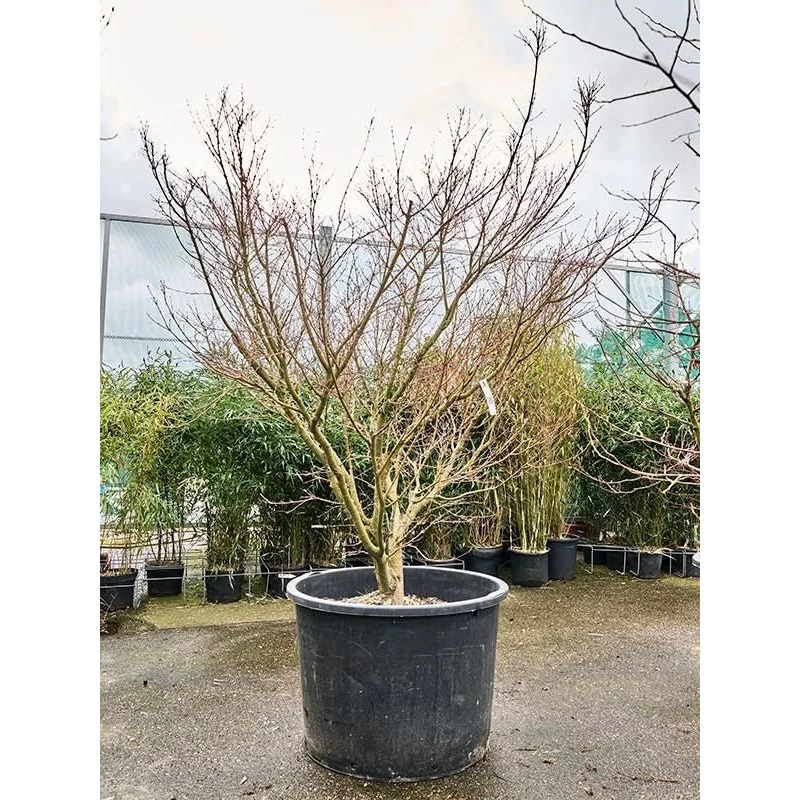
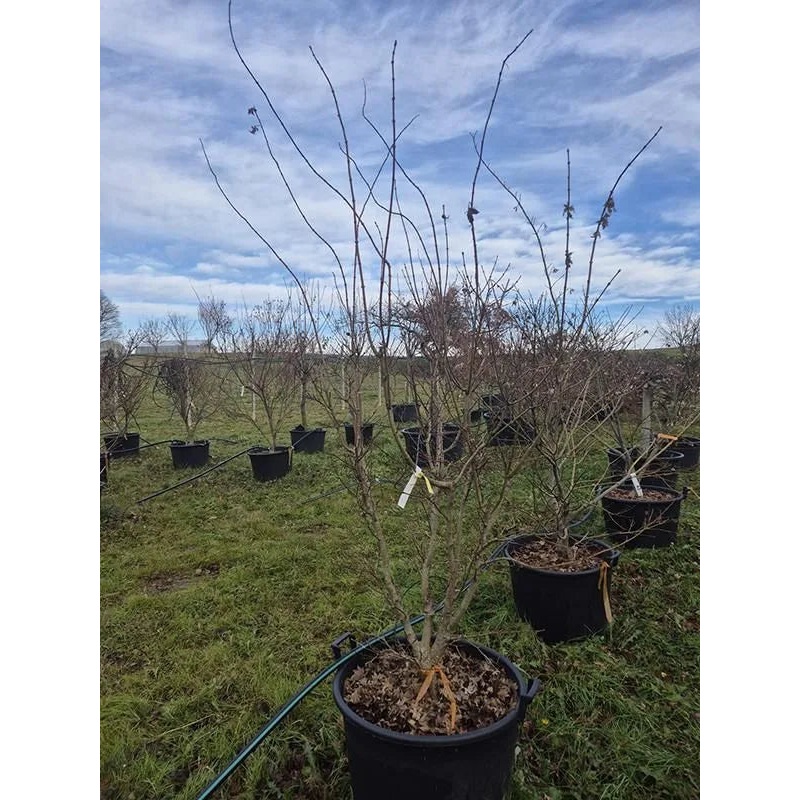
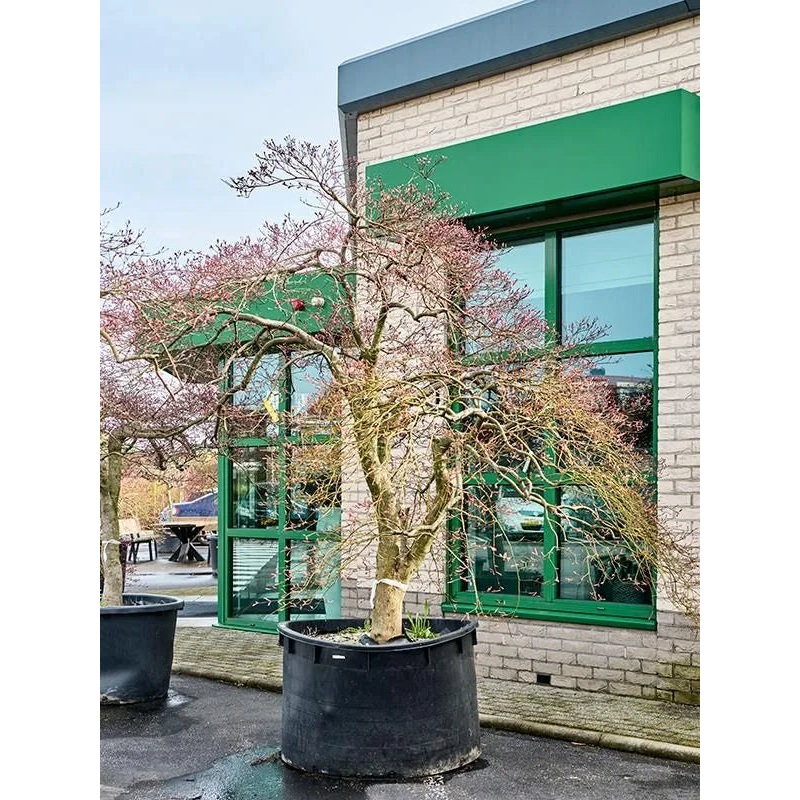
Acer palmatum Garnet-Green Lace is a beautiful cultivar of the Japanese maple, prized for its delicately dissected foliage, elegant growth habit, and striking seasonal colour changes.
Appearance:
Foliage: Finely cut, lace-like leaves (deeply dissected palmate lobes) emerge a vibrant garnet-red in spring, mellowing to rich greenish-red tones through summer, then blazing with shades of scarlet, crimson, and orange in autumn.
Habit: Forms a graceful, cascading mound with a gently spreading habit, typically reaching 1.5 to 2 metres tall and slightly wider.
Bark & Branching: Young stems have a subtle red tinge, adding winter interest once leaves have fallen.
Overall effect: It provides a soft, airy texture in borders, Japanese-style gardens, or as a specimen in containers. Its ever-changing foliage creates a standout feature across three seasons.
Prefers dappled shade or partial shade to protect its delicate leaves from scorching in hot afternoon sun, especially during summer.
Can tolerate morning sun, ideally with shelter from harsh winds.
Likes a protected spot, away from strong, drying winds which can cause leaf tips to brown or shred.
Fully hardy in most of the UK (down to around -15C), but may need shelter from late frosts which can damage young shoots.
Needs consistent moisture, especially in the first few years and during dry spells.
Does not like to dry out completely, nor sit in waterlogged soil.
Prefers acidic to neutral, moist but well-draining soil.
Avoid very chalky or alkaline sites, or grow in a large container with ericaceous compost.
Enrich planting area with leaf mould or compost to improve soil structure.
Lightly feed in early spring with a balanced slow-release fertiliser or a specialist acer feed.
Avoid heavy feeding with high-nitrogen fertilisers as it can encourage soft growth susceptible to frost.
Generally requires little pruning.
Remove any dead or crossing branches in winter or very early spring before sap rises.
Trim lightly to maintain shape if needed always prune just above a pair of buds.
Mulch annually in spring with leaf mould, well-rotted compost, or bark to help retain moisture and keep roots cool.
Fairly trouble-free. Watch for aphids on new growth.
May suffer leaf scorch in hot sun or from drought.
Verticillium wilt can occasionally affect maples avoid planting where susceptible species have died.
Excellent in large pots; use ericaceous compost with added grit for drainage.
Keep well watered, especially in pots, and raise slightly off the ground to ensure good drainage.