$146.00
$3.00
50% OFF! Hot items selling fast—Grab them before they're gone!
 Unconditional Satisfaction GuaranteeNo Shipping Fees Above 302 Months to Decide. Returns Simplified.
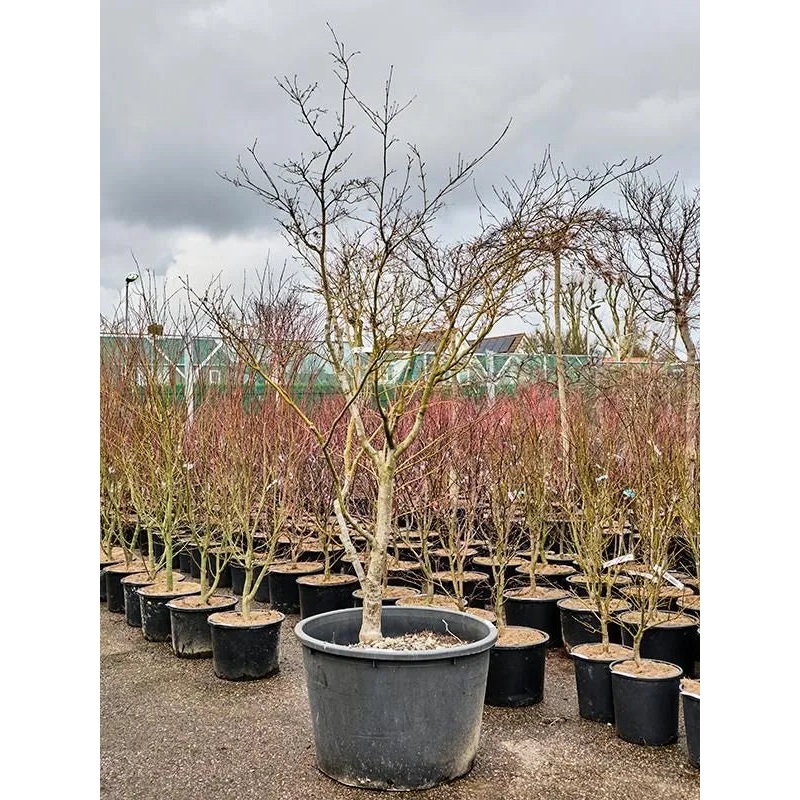
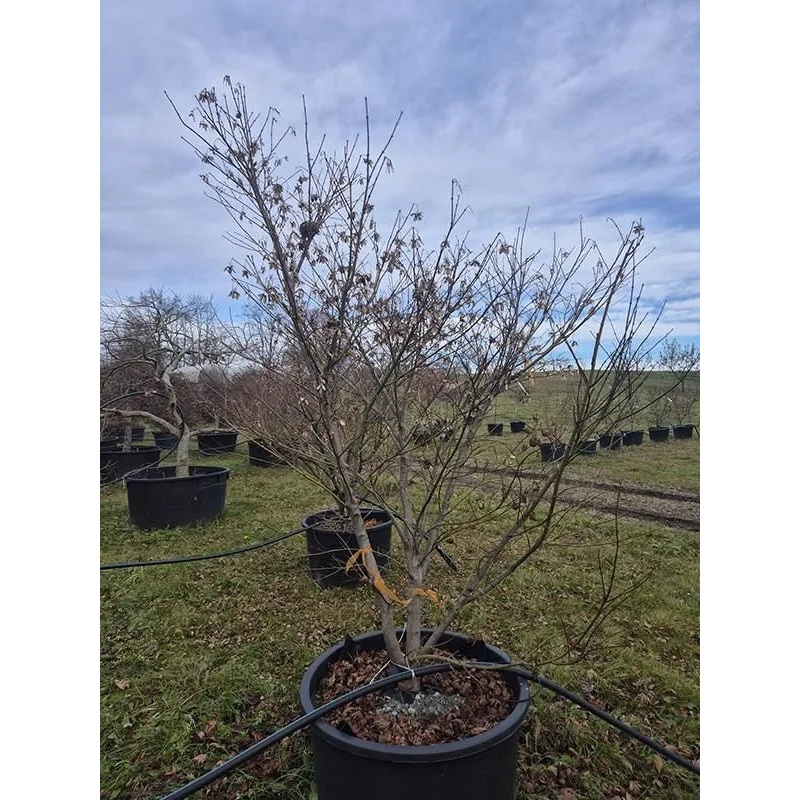
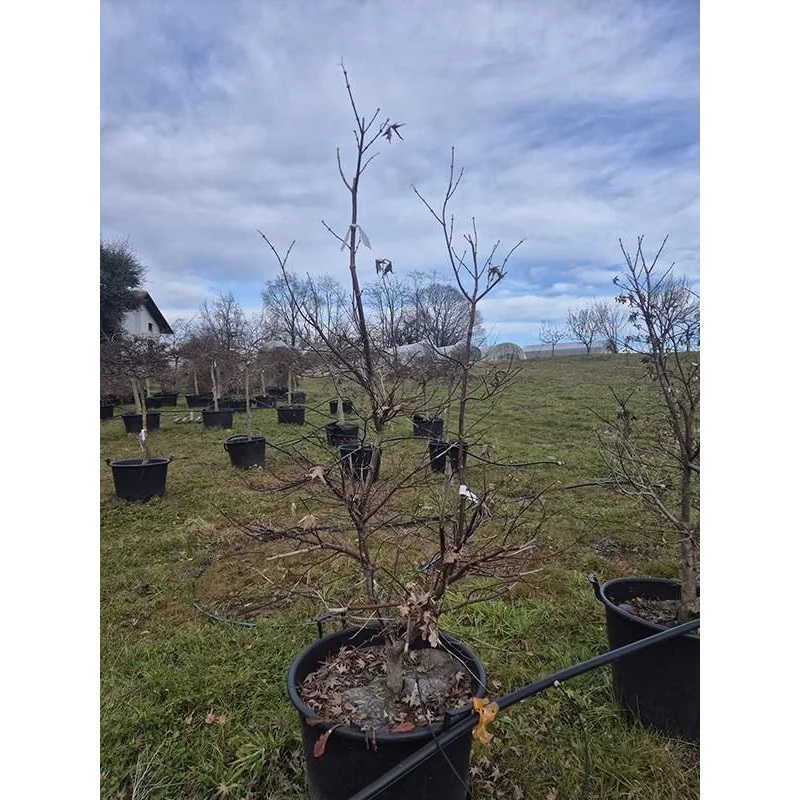
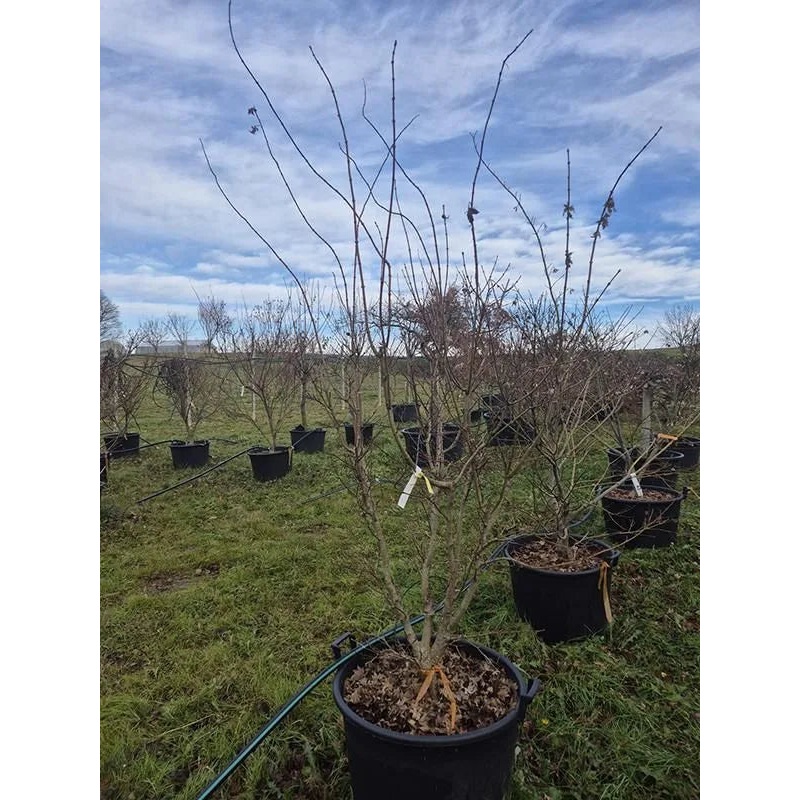
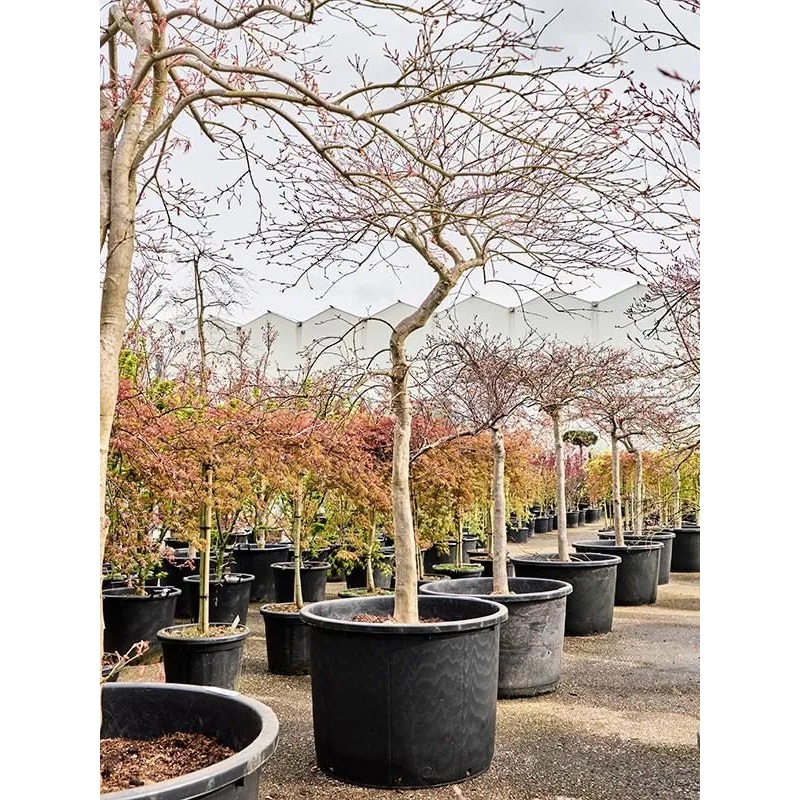
Acer palmatum Inaba-shidare is one of the most admired lace-leaf Japanese maples, celebrated for its exceptional, long-lasting colour and beautifully cascading habit. Originally from Japan, this cultivar stands out among red dissectum types for its ability to maintain deep, rich tones through the growing season making it a standout feature in any garden.
Foliage: Deeply cut, finely dissected leaves emerge a brilliant crimson in spring, deepen to a striking burgundy to purple-red in summer, then turn intense scarlet-red in autumn, extending the seasonal display longer than most red Japanese maples.
Habit: Forms a graceful, mounded, weeping tree, typically growing to 1.52 metres high with a broader spread of 2.53 metres, creating a layered, dome-like silhouette with elegantly arching branches.
Bark: Young shoots have subtle reddish tones, adding gentle winter interest once the leaves fall.
Its an ideal specimen beside water, on banks or walls where branches can spill naturally, or as a statement in Japanese-style gardens.
Prefers partial shade or dappled sunlight.
More tolerant of sun than many other lace-leaf types, so can handle morning sun which enriches foliage colour, but best protected from harsh afternoon sun to prevent leaf scorch.
Plant in a sheltered position, away from strong, drying winds which can shred delicate leaves and cause browning at the edges.
Likes soil to be consistently moist but well-drained.
Water thoroughly during dry periods, especially when young or grown in pots.
A mulch of bark or compost in spring helps retain moisture and protect roots.
Prefers slightly acidic to neutral, fertile, humus-rich soil.
Avoid heavy clay or very alkaline ground. If needed, plant in raised beds or large containers using ericaceous compost mixed with grit for drainage.
Feed lightly in spring with a balanced slow-release fertiliser or a specialist acer feed.
Avoid high-nitrogen fertilisers which encourage soft growth thats more vulnerable to wind and frost.
Needs minimal pruning.
Remove dead, damaged or crossing branches in late autumn or winter while dormant.
Avoid heavy cutting back which can spoil its elegant, cascading form.
Generally very healthy and trouble-free.
May occasionally attract aphids on soft new growth.
Leaf scorch (browned edges) usually results from drought, strong wind or excessive sun exposure, not disease.
Excellent in large pots, perfect for patios or small gardens.
Use ericaceous compost with added grit, ensure pots have good drainage and raise on feet.
Water consistently, and protect container roots in harsh winters by wrapping or moving to a sheltered spot.