$146.00
$3.00
50% OFF! Hot items selling fast—Grab them before they're gone!
 Unconditional Satisfaction GuaranteeNo Shipping Fees Above 302 Months to Decide. Returns Simplified.
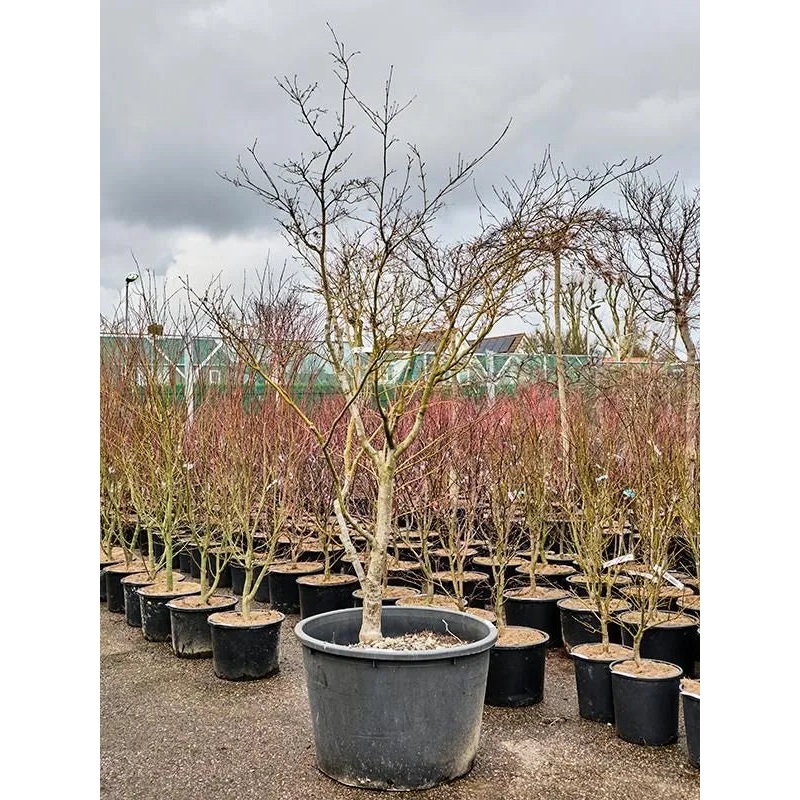
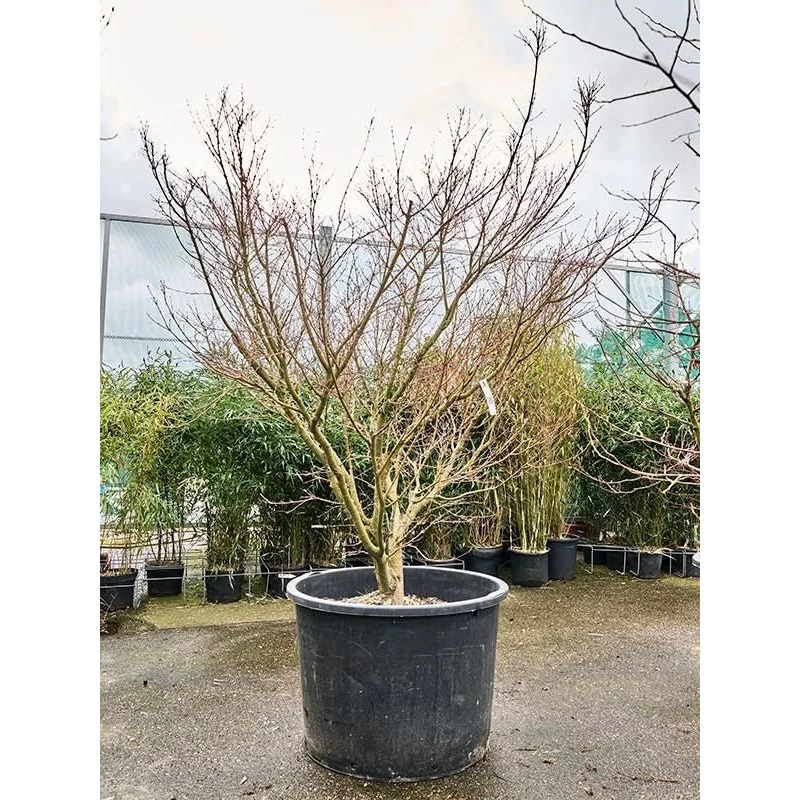
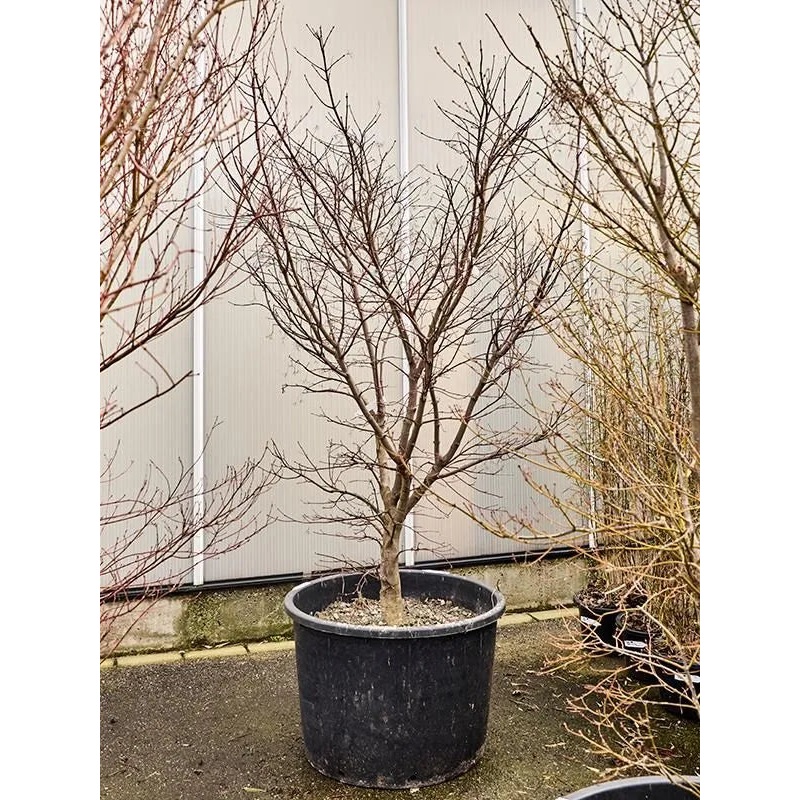
Acer palmatum Osakazuki is one of the most celebrated Japanese maples, prized for its spectacular autumn colour, reliable performance, and classic palmate leaf shape. Unlike the finely dissected lace-leaf varieties, Osakazuki has broader leaves that create a bold, elegant look.
Foliage: Medium to large, seven-lobed, deeply cut leaves that emerge fresh green in spring, maintain a bright green through summer, then transform to brilliant scarlet or crimson in autumn among the most vivid of all maples.
Habit: Grows into a graceful, rounded, upright small tree or large shrub, typically reaching 46 metres tall with a similar spread over time. Its structure makes it ideal as a focal specimen.
Bark: Smooth grey-brown stems provide subtle winter interest.
Particularly renowned for autumn its leaf colour often described as the most intense red of any Japanese maple.
Works beautifully in traditional gardens, woodland edges, or as a lawn specimen where it can show off its shape.
Prefers partial shade or dappled sunlight.
Can handle more sun than many other Japanese maples, but protection from the hottest midday sun helps avoid leaf scorch.
Shelter from cold, drying winds is important to protect foliage.
Likes a protected spot, especially when young. Avoid exposed sites that can cause windburn on leaves.
Keep soil consistently moist but not waterlogged.
During hot dry spells, water thoroughly to prevent stress and leaf drop.
Apply a mulch in spring to help conserve moisture and keep roots cool.
Prefers slightly acidic to neutral, fertile, well-drained soils.
Avoid heavy clays unless well improved with organic matter.
In alkaline soils, grow in a raised bed or large container with ericaceous compost.
Feed lightly in spring with a balanced slow-release fertiliser.
Avoid high-nitrogen fertilisers that encourage rapid soft growth susceptible to frost and wind damage.
Generally low maintenance.
Remove any dead, damaged or crossing branches in late autumn or winter.
Light shaping is best done when fully dormant (mid-winter), as pruning in spring can cause bleeding.
Generally healthy and trouble-free.
May occasionally see aphids on young growth or leaf scorch from drought, wind or excessive sun.
Osakazuki can be grown in a large pot if space is limited.
Use ericaceous or loam-based compost mixed with grit for drainage.
Raise pots on feet to avoid waterlogging.
Keep well-watered and sheltered in winter to prevent frost damage to roots.